Green and Haslem exchange heated remarks over Adebayo-Herro altercation
The NBA has not opened an investigation into the physical altercation between Miami players, but the dispute has reignited debates over accountability and 'Heat Culture'
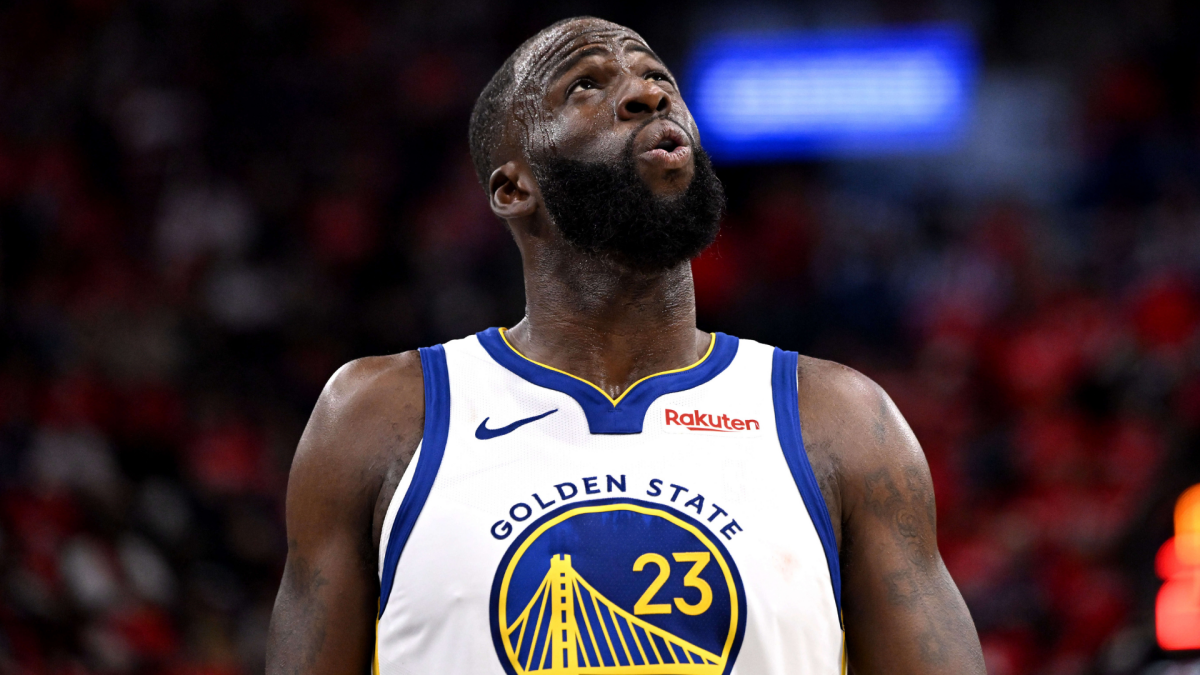
Golden State Warriors forward Draymond Green has publicly challenged Miami Heat executive Udonis Haslem regarding his stance on team discipline, following a physical altercation between Heat players Bam Adebayo and Tyler Herro. Green’s comments, made on his podcast on Sunday, questioned whether Haslem would apply the same level of scrutiny to Adebayo as he did to Green when the Warriors forward punched teammate Jordan Poole in 2022.
The incident in question occurred over the weekend on a makeshift practice court in Las Vegas, in front of Herro’s AAU team. According to reports, the conflict was triggered by leaked Instagram direct messages in which Herro critiqued Adebayo’s viability as a $60 million player and posted a graphic highlighting Adebayo’s midrange shooting percentage. Adebayo confronted Herro, leading to a physical exchange that ESPN reported Herro does not intend to pursue legal action over.
Green used the opportunity to highlight what he perceives as a double standard, referencing Haslem’s past criticism of his conduct. "This is two young guys that Udonis Haslem raised," Green said of Adebayo and Herro. "And yeah, they're not on the same team anymore, but if you raised this young guy in the light of what you was saying about me, and now he punches this other young guy that y'all kind of co-raised, are you going to have that same energy?"
Haslem responded sharply on social media, defending his position on internal team conduct. He stated he would "kick his ass" if a player disrespected head coach Erik Spoelstra in front of the squad, referencing his loyalty to former teammates. Haslem also pointed to Green’s own history, including past incidents involving Kevin Durant and the 2022 altercation with Poole, suggesting Green’s current criticism was an attempt to re-litigate a settled matter.
The NBA has not opened an investigation into the Adebayo-Herro incident. While the league typically monitors such events, the absence of formal action suggests the matter is being treated as an isolated interpersonal conflict rather than a league-wide disciplinary issue. The dispute has sparked broader conversations about accountability within NBA teams, with many observers noting the distinction between intra-team violence during practice and off-court altercations between former teammates.
Critics of Green’s intervention argue that he is attempting to settle old scores, noting that the Vegas incident occurred outside of official team activities and involved players no longer on the same roster. Others, however, view Green’s comments as a valid challenge to the consistency of public figures like Haslem, who have previously spoken out against violence within locker rooms. The exchange underscores the ongoing tension between individual player conduct and institutional expectations of professionalism in professional sports.
As the dust settles, the focus remains on the broader implications for team dynamics and the role of veteran leaders in enforcing standards. While Green and Haslem continue their public debate, the immediate aftermath of the Las Vegas incident appears to have concluded without further escalation, leaving the basketball community to weigh in on the nuances of accountability and culture.