Government inaction on child safety technology prompts ministerial resignation and campaigner backlash
Critics argue the Prime Minister's incremental approach has failed to address a surge in self-generated abuse imagery despite cross-departmental support
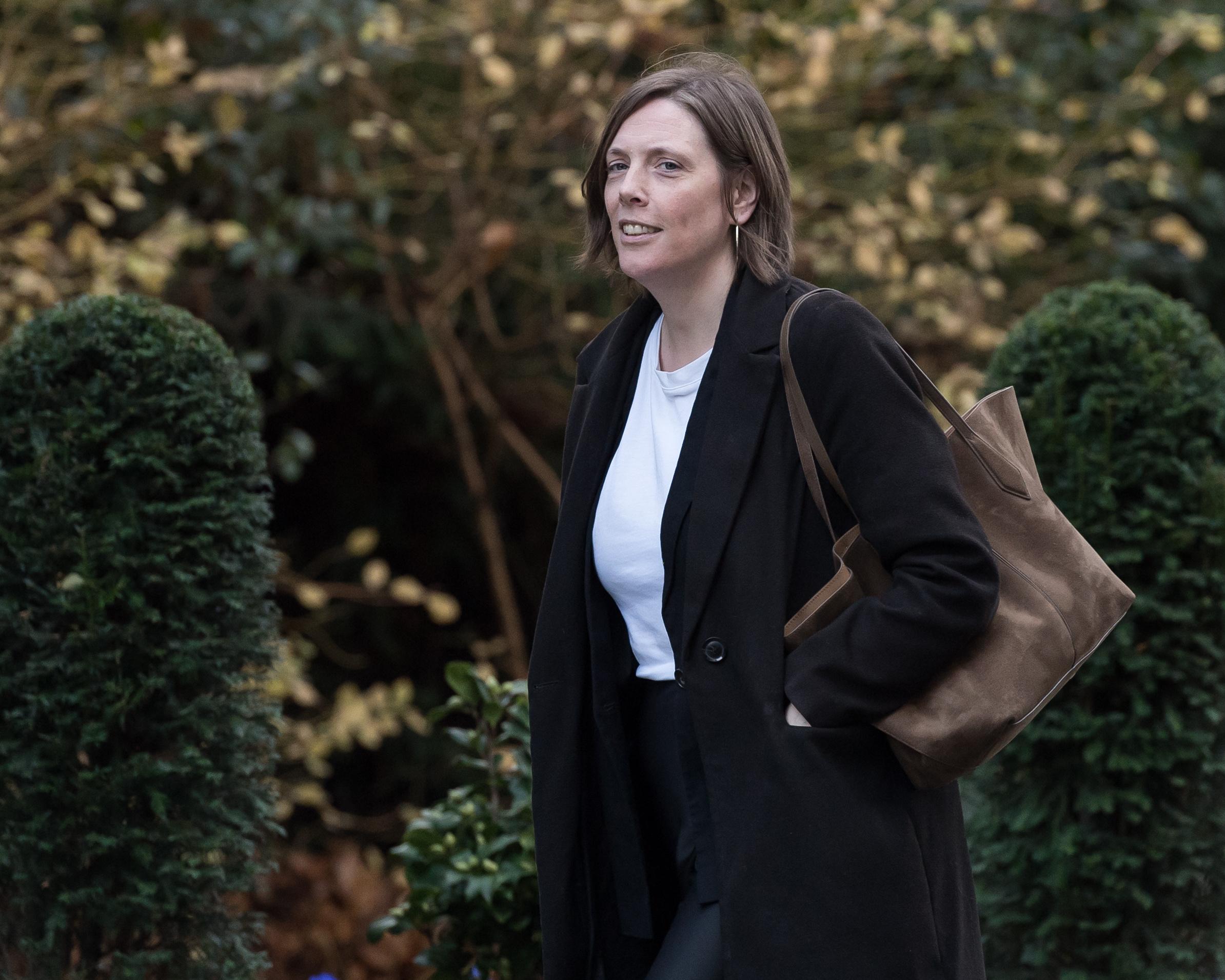
Jess Phillips, a minister resigning alongside three colleagues, has publicly accused Prime Minister Keir Starmer of delaying critical legislation designed to force technology firms to block the transmission of nude images on children's phones. In a letter released following her exit, Phillips described the government's handling of the issue as incremental rather than bold, noting that proposals to mandate image blockers have remained on Downing Street's desk for months despite receiving support from the Home Office and the Department for Science, Innovation and Technology.
The resignation follows a year of stalled progress, with Phillips revealing that she presented comprehensive solutions over a year ago to end the ability for children in the UK to take naked images of themselves. She expressed frustration that the government has only agreed to threaten legislation rather than enacting it, with an announcement originally expected in March. Sources indicate a significant wall of inertia exists within Downing Street, with some advisers perceived as being too close to tech companies, leading to a prioritisation of trade deals over urgent online safety measures.
Data underscores the urgency of the proposed policy intervention. In 2024, 91 per cent of child sexual abuse image reports received by the Internet Watch Foundation that were found to be criminal contained self-generated imagery. Furthermore, police recorded 7,263 sexual communication with a child offences in the last year, a figure that is almost double the number recorded since the offence came into force in 2017-18. These statistics highlight the scale of the problem that the current legislative delays fail to address.
Campaigners have long argued that existing technology can effectively stop the production of abuse images at the source. Hannah Swirsky, head of policy and public affairs at the Internet Watch Foundation, stated that the technology exists and can be implemented to prevent a significant number of images from being produced. However, the government's Violence Against Women and Girls strategy, published in December, stopped short of mandating the blocker as a default feature. Instead, it promised to join forces with tech companies to make image blocking a reality, a move critics describe as insufficient given the severity of the crisis.
The Molly Rose Foundation and the Internet Watch Foundation have been actively campaigning for mandatory technology to stop the production of abuse images at the source, but they now describe a deep frustration at the logjam at the top of government. Andy Burrow, CEO of the Molly Rose Foundation, noted that the public frustrations expressed by Phillips reflect sentiments that have been swirling privately for some time. He described the situation as proposals being stuck in treacle at No 10, preventing the UK from potentially becoming a world leader in tackling online child abuse.
With the measures now unlikely to be included in the King's Speech, campaigners fear the opportunity to lead on this issue has been missed. The delay has left a sense of pain among those who believe that failing to act boldly allows the proliferation of abuse to continue. As Phillips departs, the focus remains on whether the government will eventually overcome the inertia in Downing Street to implement the mandatory protections that civil servants and campaigners have long advocated for.