Government announces full nationalisation of British Steel amid industrial strategy overhaul
State rejects £1bn debt demand from Jingye Steel, offering £100m sale price instead, as it moves to lock out nominal Chinese owner
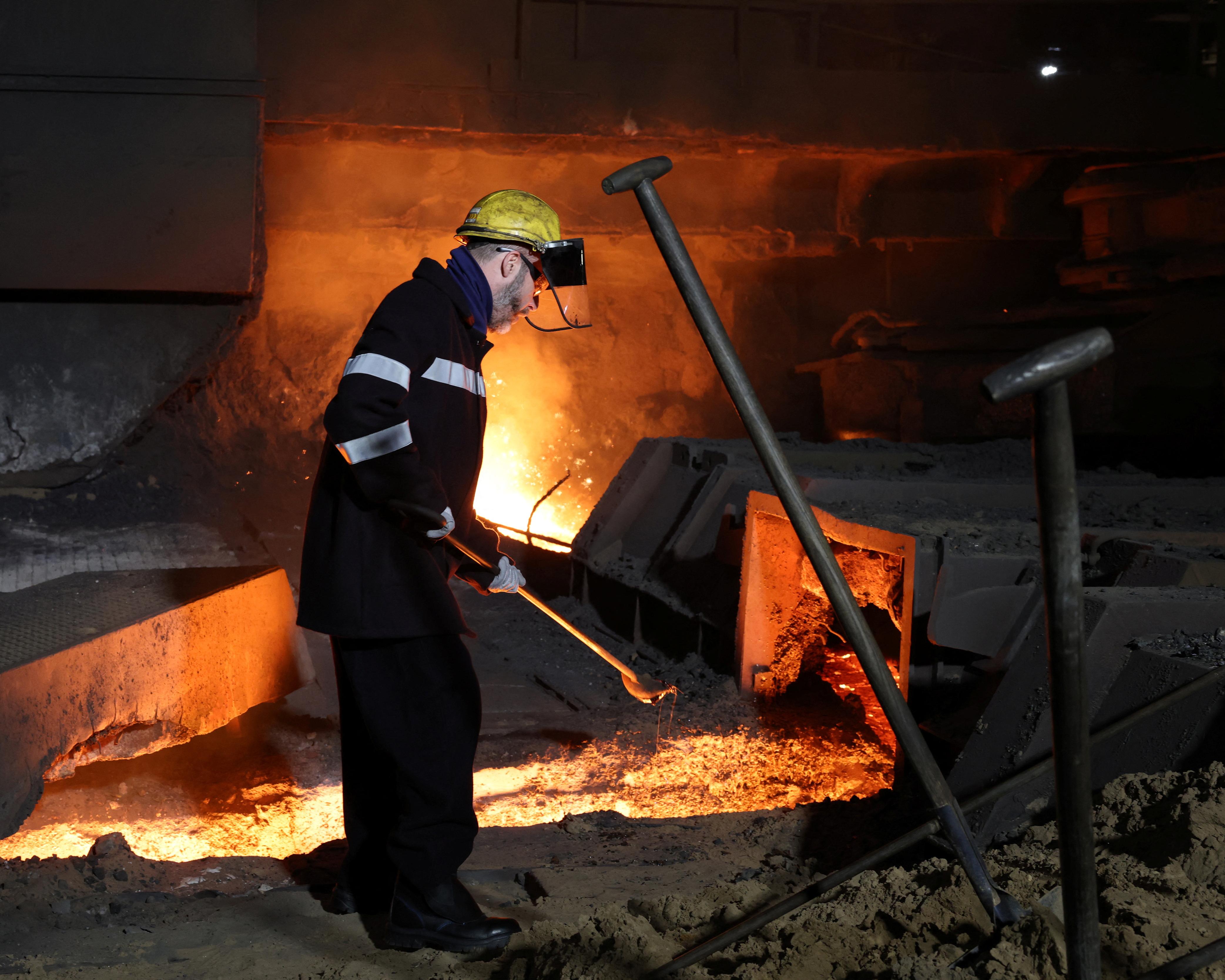
Prime Minister Keir Starmer has confirmed that legislation to fully nationalise British Steel at the Scunthorpe plant is set to be introduced in the King's Speech. This move represents the latest intervention in the site's complex history, driven by a government determination to prevent the loss of 2,700 jobs and preserve the nation's primary steelmaking capacity. The decision comes as the UK faces mounting global market pressures and rising international tensions, prompting a shift toward state ownership to ensure economic resilience.
While the Chinese firm Jingye Steel retains nominal ownership of the business, the government has effectively locked the entity out of operations. In negotiations regarding the transfer of control, the state rejected a demand from Jingye for up to £1bn to repay debts. Instead, officials have offered a sale price of £100m, arguing that the actual value of the steelworks is significantly lower than the debt figure presented by the current owner.
The policy shift aims to address the structural vulnerabilities of the industry, which has struggled with high energy costs and competition from cheap imports. Previous legislation last year established a framework where Jingye was excluded from day-to-day management while retaining economic ownership, a strategy that created leverage for subsequent talks. The government now intends to take full control to safeguard the ability to produce steel from iron ore, a capability deemed critical for national sovereignty.
Business Secretary Peter Kyle has indicated that the future of the plant involves replacing the aging blast furnaces with cleaner electric arc furnaces. This technological transition is expected to require hundreds of millions of pounds in further government subsidies. The plan relies on securing new investment from potential buyers, including Michael Flacks and the Czech group Sev.en Global Investments, to fund the necessary infrastructure upgrades.
To bolster domestic production and meet up to 50% of UK steel demand, the government has introduced protectionist tariffs of 50%. This measure is designed to insulate the industry from global volatility and support the transition to a more sustainable production model. An independent valuer is understood to be appointed to determine any compensation payable to Jingye for the expropriated asset, aiming to assuage concerns among other foreign investors regarding the UK's approach to state intervention.
The Scunthorpe site, which employs 4,000 people across the wider business, has a history of fluctuating ownership dating back to nationalisation in 1951 and 1967. Under Jingye's tenure, the plant recorded cumulative losses of £350m by the end of 2023. The current administration views the full nationalisation as a necessary step to stabilise the industry and ensure that the primary steelmaking capacity remains viable for the long term.