Gorleston FC’s £4m Recreation Ground Proposal Divides Local Governance and Community
Great Yarmouth Borough Council weighs a 75-year lease against neighbour objections as the club seeks to end four years of homelessness
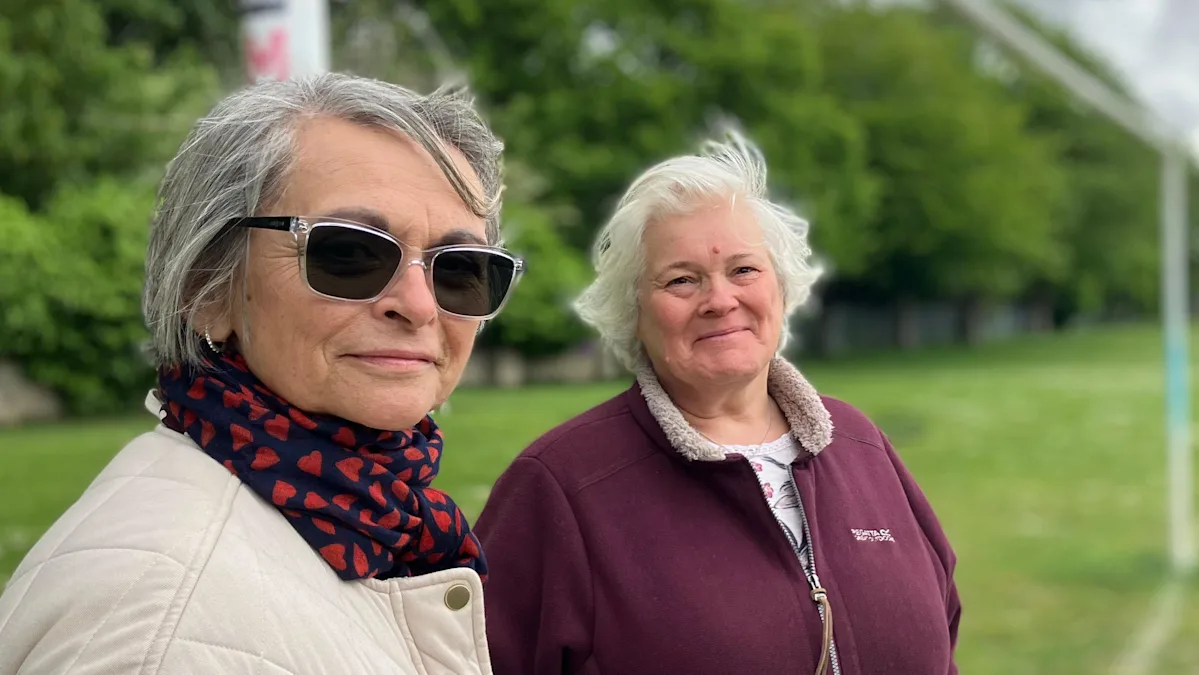
Gorleston Football Club has submitted a £4m planning application to return to its traditional home at Gorleston Recreation Ground in Norfolk, a move that has fractured local opinion and placed the Great Yarmouth Borough Council in a delicate governance position. The proposal, which seeks to establish a permanent base after four years without a dedicated stadium, includes an artificial 3G pitch, a spectator stand, a clubhouse, and a community centre with a café. The club is working with the borough council, which owns the site, to secure a 75-year lease for the development.
The project aims to provide a long-term solution for the club, which has been without a permanent home since being forced to leave Emerald Park in 1982 due to housing development. During its period of homelessness, the men’s first team played home games at Lowestoft Town FC during the 2022–23 season before moving to The Wellesley in Great Yarmouth. Meanwhile, the club’s youth teams returned to the recreation ground in September last year and currently utilise one grass pitch. The men’s side, which competes in the eighth tier of English football, remains one of the top teams in the county.
Support for the return is evident from the borough council and local political figures who highlight the club’s historical significance. Daniel Candon, the Conservative cabinet member for growth, stated that Gorleston FC has a deep connection with the town and that the facility would serve the local and wider community. The council threw its support behind the project in November last year, agreeing in principle to the long-term lease. The club’s vice-chairman, Graham Hacon, emphasised that the development is intended to be a community hub for one of the most deprived areas of Gorleston, rather than solely a football venue.
However, the proposal faces significant opposition from neighbours and some local politicians who fear the monopolisation of public green space. A campaign group led by Chrissie Harris argues that the community park is being taken over, citing concerns over reduced access for other users, including cricketers and dog walkers. Objections also highlight potential parking pressures, noise impacts on nearby homes, and fears that the club could expand further on the site in the future. Harris noted that residents feel excluded from the decision-making process, describing the situation as a "slippery slope."
Barry Gravenell, a Great Yarmouth First county councillor, acknowledged the validity of both sides of the argument. While supportive of the club’s need for a home, he expressed concern that taking over too much of the recreation ground would negatively impact other recreational activities. He pointed out that parking in the area is already a significant issue and stressed the need to retain open spaces for the broader public. The planning application is expected to be considered by councillors in the coming months, with the outcome likely to define the future use of the recreation ground.
The club’s return to the recreation ground, where it played for nearly a century between 1889 and 1982, is subject to final planning approval. The proposed development includes a new car park capable of accommodating 162 vehicles and coaches, which the club argues will mitigate some of the parking concerns raised by residents. As the debate continues, the project stands as a test of how local government balances the needs of sporting institutions with the preservation of community green spaces.