GoPro raises the bar for action cameras with Mission 1 Pro, but premium specs come at a cost
As GoPro launches the Mission 1 Pro, analysts weigh the trade-offs between its superior 1-inch sensor and higher retail price against competitors like the DJI Osmo Action 6.
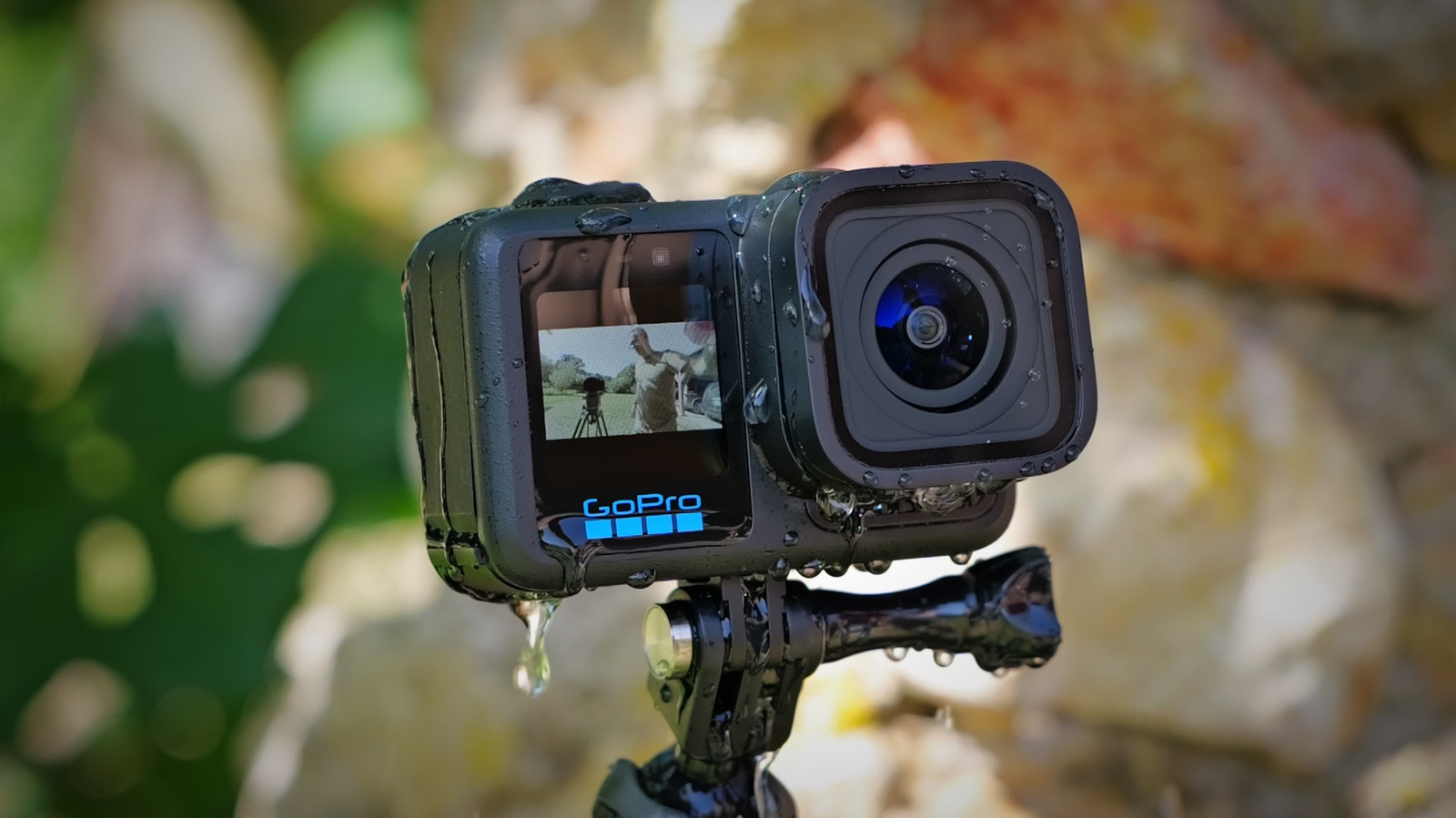
GoPro has officially launched the Mission 1 Pro action camera, a device that marks a significant hardware shift for the brand with the introduction of a 1-inch 50-megapixel sensor. This new sensor architecture enables the capture of 8K video at 60 frames per second and 4K video at 240 fps, positioning the device as a high-end option for creators requiring professional-grade resolution and dynamic range. The launch signals GoPro’s intent to compete directly in the premium segment of the action camera market, offering capabilities that surpass previous models in both low-light performance and colour accuracy.
The device is priced at $699, a figure that places it $270 above the standard Mission 1 model and significantly higher than rival offerings such as the DJI Osmo Action 6, which retails for approximately $426. While the Mission 1 Pro offers enhanced video quality and a larger sensor area for better light gathering, it notably lacks internal storage, relying entirely on microSD cards for data retention. This omission stands in contrast to competitors that include built-in high-speed memory, a factor that may influence purchasing decisions for budget-conscious consumers despite the superior technical specifications.
Hardware specifications reveal a camera that is both more powerful and physically larger than its predecessors. The Mission 1 Pro weighs 0.46 pounds and is approximately three-quarters of an inch thicker than the GoPro Hero 13, a design choice that adds front-loaded weight when mounted on helmets or caps. Despite the increased bulk, the device utilises the new Enduro 2 battery with PD2.0 charging technology, delivering over three hours of battery life at 4K 30 fps and more than an hour at 8K 60 fps. Thermal management remains a constraint, with stationary recording at 8K 60 fps limited to approximately 35 minutes, though airflow during active use, such as cycling, can extend this duration.
GoPro has also expanded its accessory ecosystem to support the new camera’s capabilities. The company introduced the Media Mod, priced at $149, which features a micro HDMI port and supports 32-bit float audio encoding to prevent sound clipping in high-volume environments. Additionally, a Wireless Mic Complete Kit is available for $159. These peripherals, along with new camera kits ranging from the Grip Edition at $779 to the Ultimate Creator Edition at $1,199, suggest a strategy focused on monetising professional workflows and encouraging users to invest in a comprehensive production setup.
The competitive landscape for action cameras is becoming increasingly segmented, with GoPro’s latest release highlighting the divergence between consumer-friendly devices and prosumer tools. While the Mission 1 Pro offers superior reframing capabilities through its 8K resolution and improved subject tracking, the lack of internal storage and higher price point present clear trade-offs. For creators prioritising video fidelity and low-light performance, the device represents a compelling upgrade, but for general users, the cost-benefit analysis may favour more affordable alternatives that include built-in storage and lower entry costs.
