Google’s voice-centric AI push risks eroding cognitive effort, critics warn
As Google unveils Rambler, Docs Live, and other voice-first features, analysts question whether reducing the friction of thought will fundamentally alter how users process information.
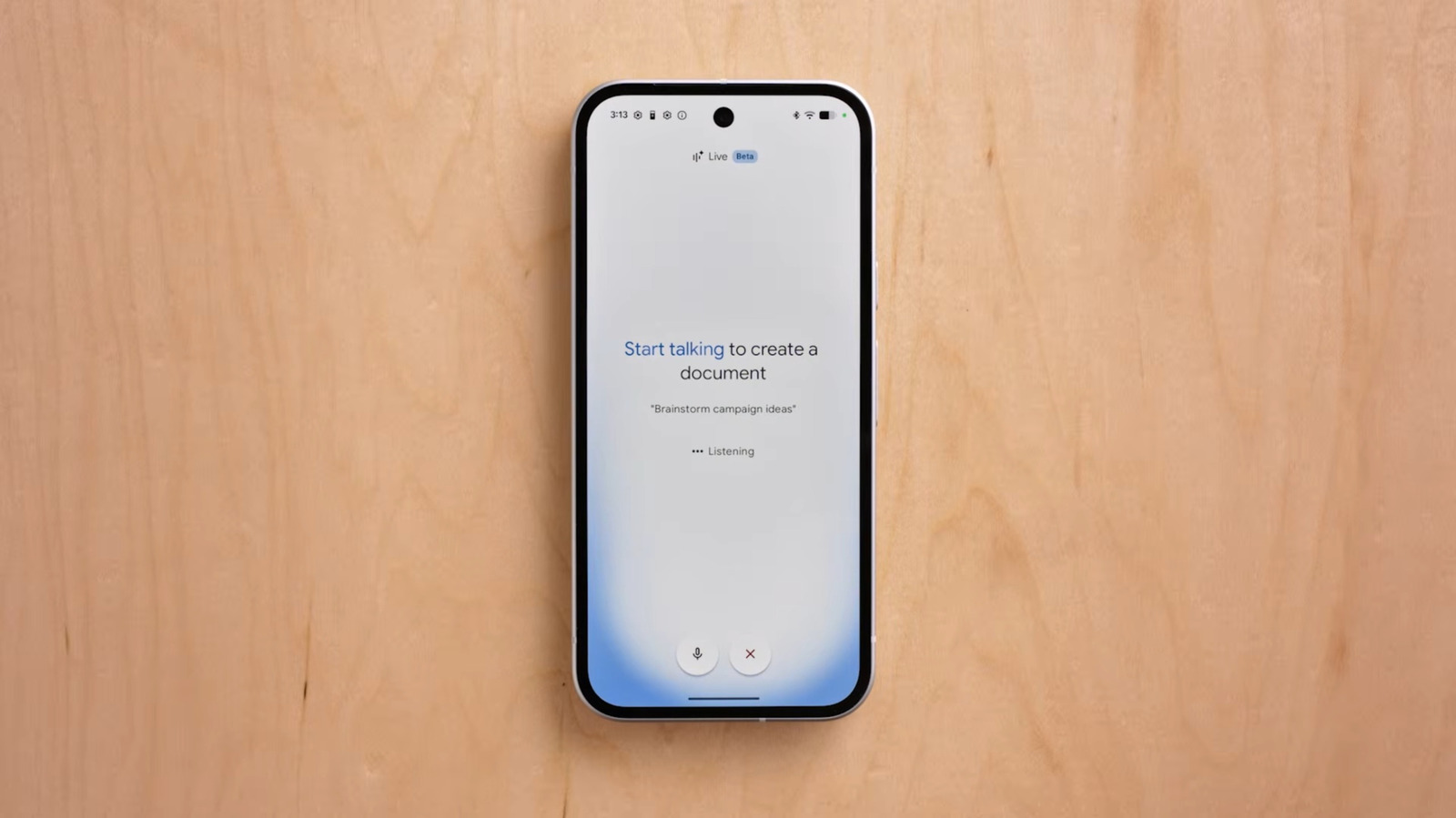
At Google I/O 2026, the tech giant unveiled a suite of new artificial intelligence features that prioritise voice input, marking a significant shift from the rigid command structures of previous voice assistants. The new tools, including Rambler, Docs Live, Keep Live, and Gmail Live, allow users to dictate natural, unpolished speech, with the AI interpreting intent to generate structured content or actions. This rollout, initially limited to paying subscribers of AI Pro, AI Ultra, and business Workspace plans, is compatible with devices running Android 17.
Rambler, an updated version of Gboard’s speech-to-text capability, utilises an on-device model to strip filler words and capture the gist of a message without transcribing it verbatim. It accommodates mid-flow language switching and allows for simultaneous transcribing and editing without keyboard use. This mirrors trends seen in other applications, such as Todoist’s Ramble feature, which creates and sorts tasks from voice inputs, and corporate tools like Wispr Flow and Monologue that automatically edit speech for tone and style.
Docs Live integrates Gemini Live voice chat directly into Google Docs, enabling users to dictate outlines or stream-of-consciousness rants which the AI organises into a document structure. With permission, it can pull relevant details from Gmail, Drive, Chat, and the web. Similarly, Keep Live brings a voice-to-note experience to the notetaking app, while Gmail Live transforms AI voice chats into a method for faster email retrieval. These features offer the benefits of third-party transcription tools without requiring additional subscriptions.
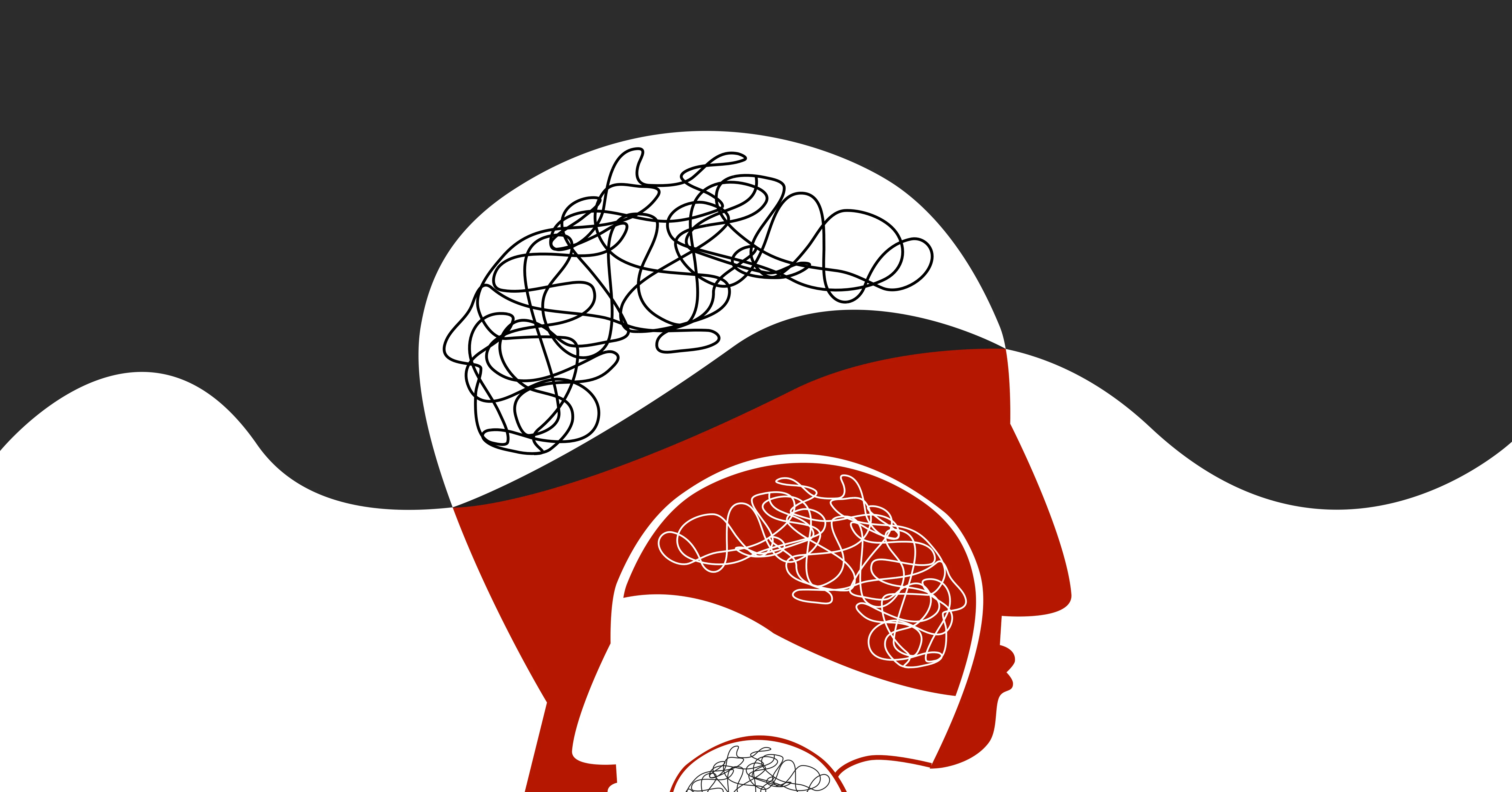
Critics argue that by removing the need for users to think clearly or communicate their own thoughts, these tools may reduce cognitive effort and alter how people think. The Engadget opinion piece highlighted a software engineer demoing Docs Live to write a speech for his alma mater, questioning the value of offloading such meaningful communication tasks to AI. The concern is that while the tools provide convenience and accessibility, they eliminate the rewarding labour of refining one’s intent and meaning.
This shift contrasts sharply with the interaction models established over a decade ago by Amazon Alexa and Google Assistant, which relied on robotic call-and-response structures to ensure accuracy. Those earlier systems required users to think carefully about their commands, whereas Google’s new features prioritise the output over the clarity of the input. While the preponderance of AI voice features may be useful to millions, the reduction in actual thought required to use them raises questions about the long-term impact on user habits and communication skills.