Google’s Android AI contextual suggestions feature appears in stable channel
The operating system now predicts user actions based on location and habits, with data processing kept within an encrypted on-device space.
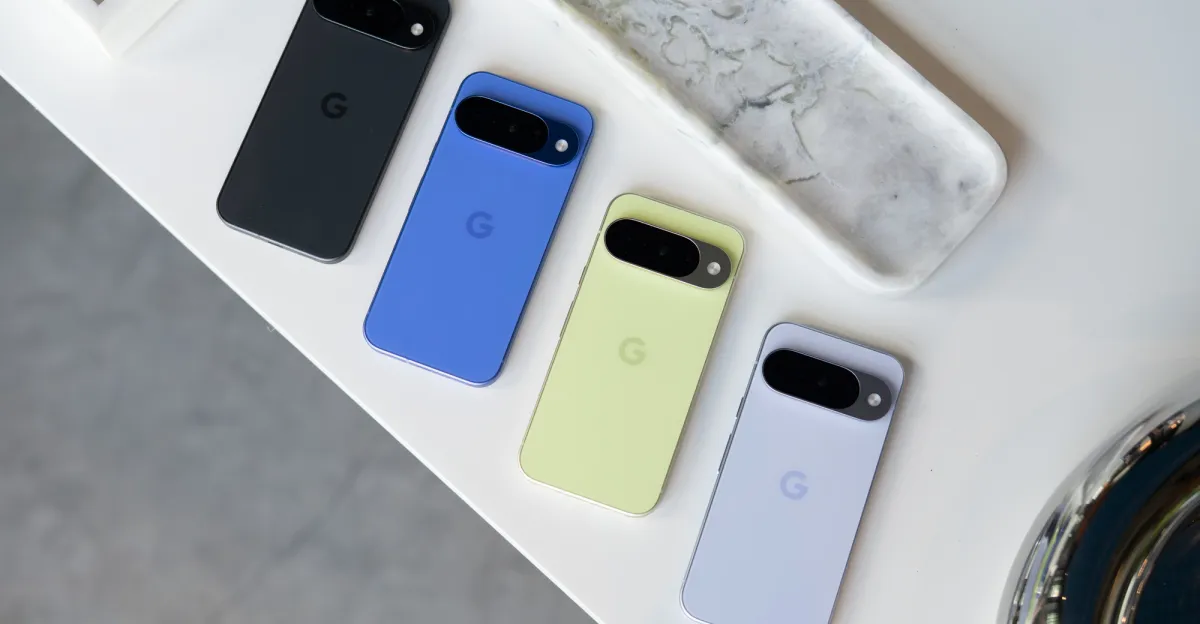
Google is expanding its AI-powered contextual suggestions feature to the stable Android channel, a move that shifts the tool from its previous availability exclusively on the Play Services beta channel. The feature allows the operating system to predict user actions based on location and daily habits, such as suggesting a usual music playlist at the gym or casting sports games to a TV. The rollout is currently being observed on Pixel 10 series devices running Android 16, where it appears to be enabled by default.
Although Google has not made an official announcement regarding the launch, reporters from Android Authority and 9to5Google have confirmed the feature’s availability on the stable channel. The tool is designed to recommend actions based on user routines, with the operating system learning from data to make predictions about helpful actions. For instance, if a user frequently casts sports games to a living room TV on Saturdays, the device can suggest casting at the appropriate time.
Privacy remains a central component of the feature’s design. Google states that the AI processes data within an encrypted space on the device, ensuring that information is not shared with Google, apps, or third parties. Users can manage data access through settings, including the ability to disable location tracking for the feature. The settings interface allows users to control what data is accessed, providing a level of transparency over how the AI utilises personal habits.
The contextual suggestions feature shares similarities with Magic Cue, another AI tool launched with the Pixel 10 series that suggests contextual information like addresses and contacts. While the exact visual design of the notifications generated by contextual suggestions remains unknown, the feature requires Android 14 or later to support audio and video casting functions. This technical requirement suggests a broader compatibility beyond just the latest hardware, provided the operating system version is met.
It remains unclear if the feature will be available on non-Pixel Android phones, as Google has not confirmed broader device support. The specific timeline for a wider rollout beyond Pixel 10 devices also remains unconfirmed. Linxi News has contacted Google to clarify the launch timeline and regional support, seeking further details on the scope of the deployment.
