Google’s AI Overview falters on basic spelling, exposing limits of transformer architecture
The search giant acknowledged the errors, noting that counting letters is a known challenge for large language models, while experts highlight the inherent constraints of token-based processing systems.
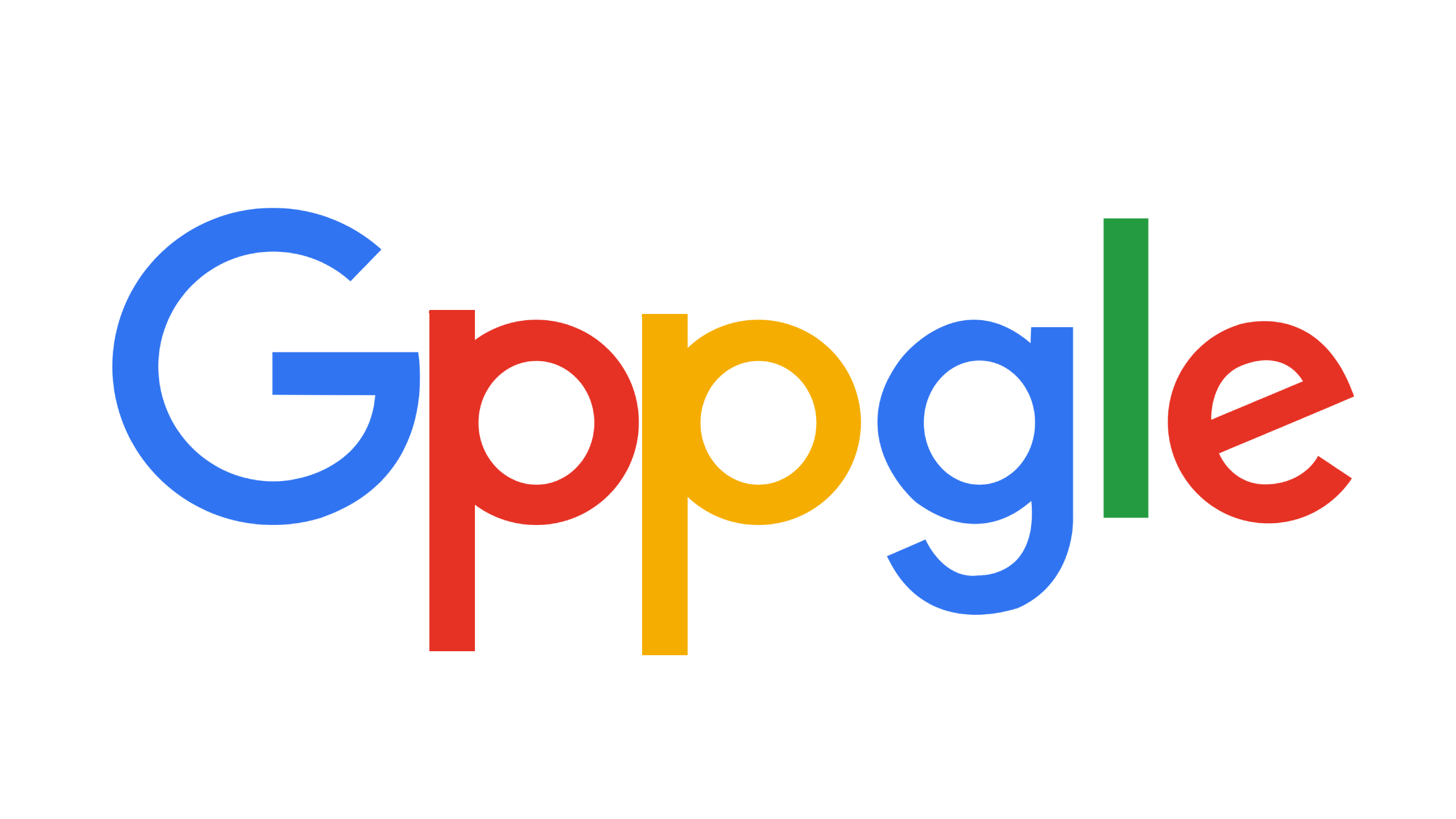
Google’s AI Overview feature has drawn renewed scrutiny after users reported persistent errors in basic spelling and letter-counting tasks. The artificial intelligence tool integrated into the search engine incorrectly stated there are two 'p's in the word "Google" when there are three, and claimed there is exactly one 'r' in the word "poop". The system also misspelled "journalism" as "journadism", identifying two 'd's but failing to construct the word correctly.
Further illustrating the issue, the AI misspelled the US President’s surname as "trpum", despite correctly identifying that there is one 'p' in the name. These failures follow previous incidents where the feature cited satirical posts from The Onion and Reddit, and advised users to eat rocks or put glue on their pizza. Google is currently revamping its search engine to make generative AI the centerpiece of the product, a move that has already faced public criticism for these stumbles.
In response to the errors, Google acknowledged the problem in a statement to TechCrunch. The company described counting within words as a known challenge for large language models (LLMs) and confirmed that engineers are working to resolve the issue. This admission aligns with long-standing observations in the field, where asking an AI to count the 'r's in "strawberry" has become a common test of its limitations.
Technical experts point to the underlying transformer architecture as the root cause. Matthew Guzdial, an AI researcher at the University of Alberta, explained that these models do not read text letter by letter. Instead, they translate prompts into numerical encodings. Guzdial noted that when the model sees a word like "the", it processes a single encoding of its meaning rather than the individual letters T, H, and E.
Sheridan Feucht, a PhD student at Northeastern University, added that the token-based system inherently limits the AI’s ability to perceive spelling accurately. Feucht suggested that defining a "perfect tokenizer" is difficult due to the fuzziness of how models chunk text, implying that a flawless solution may not exist. While these errors are amusing, they serve as a reminder that AI outputs require verification and are not infallible.
