Google unveils Wear OS 7 with Gemini Intelligence and agentic AI capabilities
The latest operating system release, announced at I/O 2026, integrates Google’s AI strategy into the wrist, allowing for task automation and real-time data displays previously exclusive to smartphones.
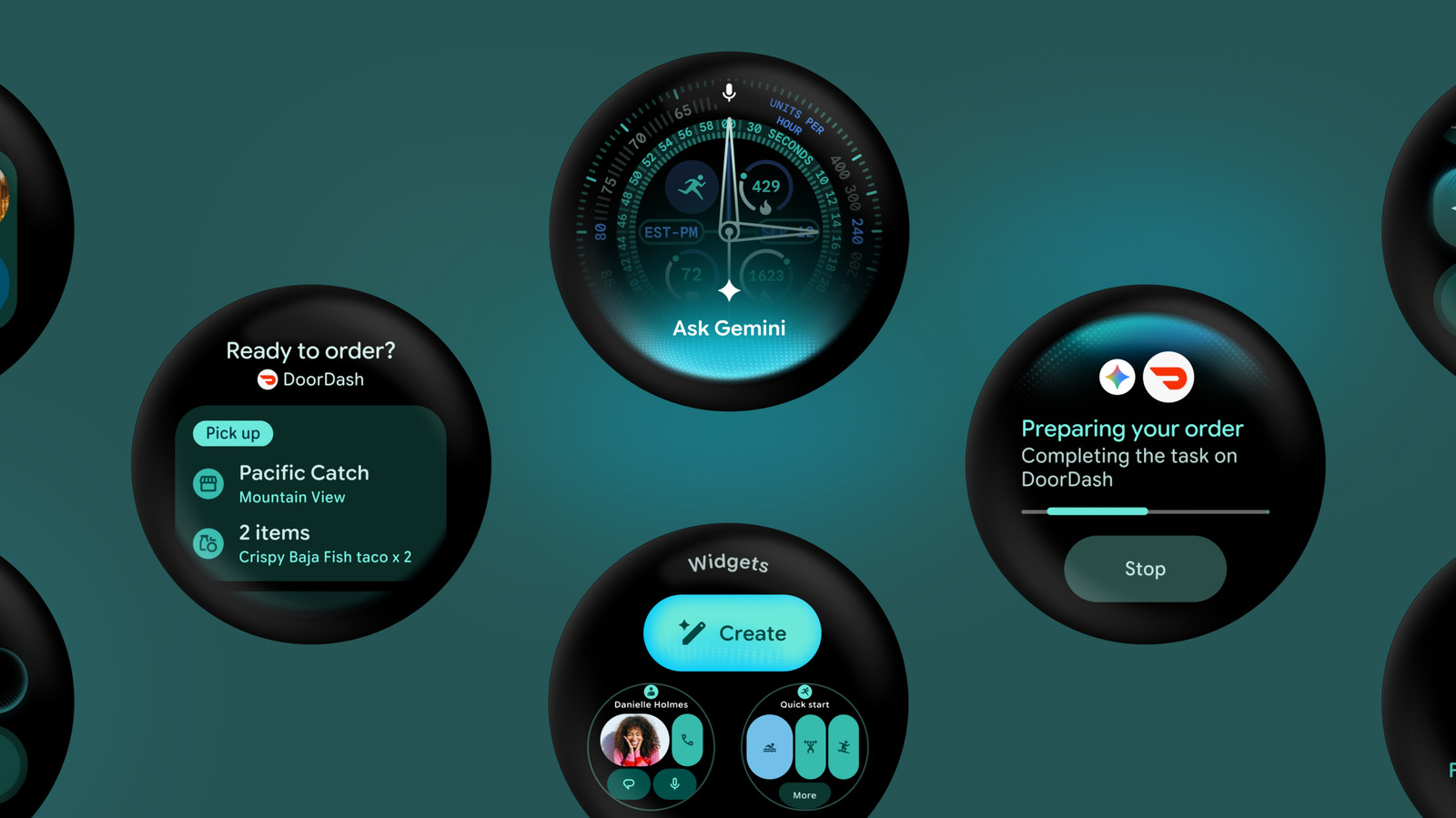
Google has announced Wear OS 7, the latest iteration of its wearable operating system, during the I/O 2026 conference. The update marks a significant shift in the platform’s capabilities, integrating Gemini Intelligence to support agentic AI experiences and introducing a new dynamic widget system known as Wear Widgets. The software also carries over design tweaks planned for Android 17, aligning the wearable interface more closely with the company’s broader mobile ecosystem.
The most prominent consumer-facing change is the introduction of Wear Widgets, which replaces the traditional informational tiles that have long defined the Wear OS experience. These new widgets are designed to be more dynamic and customizable, mirroring the functionality available on smartphones. Additionally, widgets created using Google’s AI-powered Create My Widget tool can now be transferred directly to smartwatches, streamlining the user experience across devices.
Google is also bringing Live Updates to the platform, a feature previously exclusive to Android phones that displays real-time information on the lock screen. This addition allows users to view glanceable data without unlocking their devices. The update further enhances utility with a default workout tracker that includes built-in media controls, usable across various wearable fitness applications, and a Remote Output Switcher for managing audio playback across different headphones or speakers.
From a developer perspective, Wear OS 7 provides new APIs to integrate app features with Google Assistant, supporting task automation directly from the wrist. The AppFunctions API allows developers to hook their applications into the Gemini Intelligence system, enabling actions such as placing food delivery orders through a smartwatch. This aligns with Google’s recent strategic pivot towards autonomous agents, exemplified by the launch of Gemini 3.5 Flash and agentic capabilities in Search.
A test version of Wear OS 7 is currently available for developers via the Wear OS 7 Canary Emulator. Google has confirmed that a full release of the operating system is planned for later this year, though a specific date has not yet been provided. The company intends to detail further features during the remainder of the I/O 2026 event.
