Google unveils 'Googlebook' laptop platform ahead of I/O conference
Major hardware partners confirmed for initial rollout, though specific models and pricing remain undisclosed
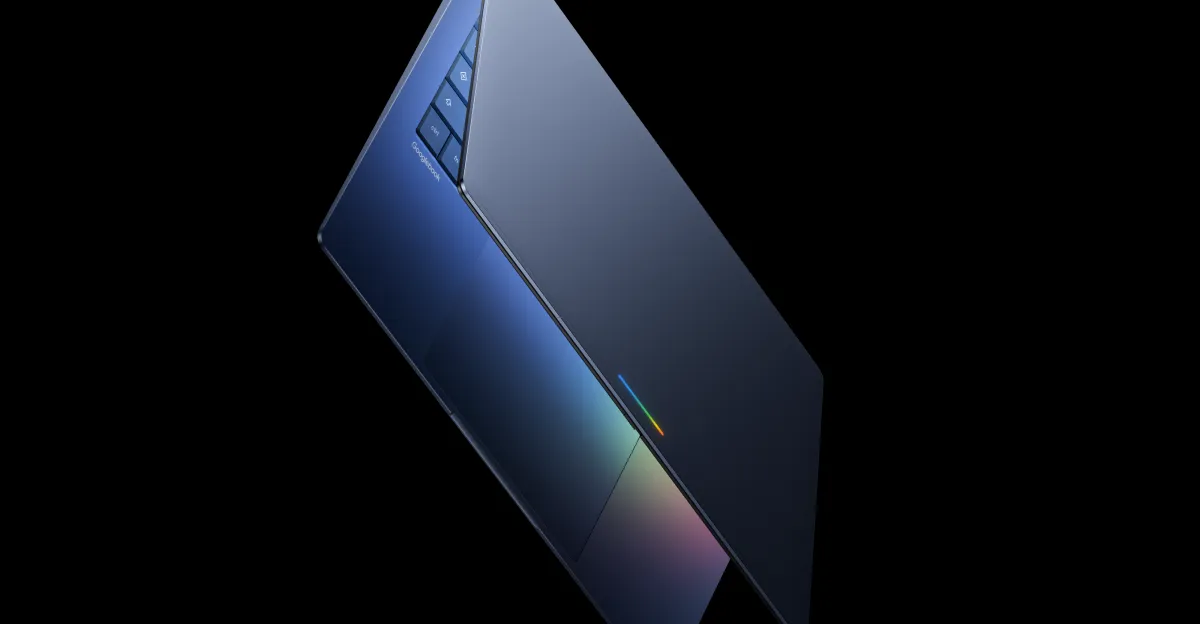
Google has announced a new laptop platform designated as Googlebook, scheduled for a fall launch that aims to evolve the current Chromebook ecosystem. The initiative was revealed during the Android Show: I/O Edition, a precursor to the company's annual developer conference, marking a strategic shift toward devices designed from the ground up for an intelligence-driven environment. While the announcement did not include physical hardware, specific model names, or pricing details, Google confirmed it is collaborating with Acer, Asus, Dell, HP, and Lenovo to manufacture the initial models.
The devices will run a new operating system described as a fusion of Android and ChromeOS, distinct from the previously leaked codename Aluminium. Peter Du, from Google's global communications team, clarified that Aluminium is merely a codename and that official branding will be revealed later this year. The software stack is built on Android technology, allowing the laptops to run Chrome for web browsing alongside Android apps. A key feature of the new platform is the ability to directly access files and run applications from paired Android phones without requiring users to shift their attention between devices.
Central to the Googlebook experience is the integration of Gemini Intelligence, which is embedded throughout the user interface. A standout feature is the Magic Pointer cursor, which offers contextual suggestions when activated. Google demonstrated capabilities such as setting up a meeting by pointing at a date in an email or visualising furniture in a living space by selecting images. The platform will also include custom AI-created widgets, similar to those debuting for Android phones and Wear OS smartwatches, designed to organise tasks like flights and reservations.
Despite the focus on the new platform, Google confirmed that existing Chromebooks and ChromeOS will continue to receive support. This includes the company's existing commitment of 10 years of automatic security updates for devices released in 2021 or later. Peter Du stated that Chromebooks will continue to be released after the launch of Googlebook, ensuring that the legacy line remains viable for current users. However, the long-term strategic balance between the legacy Chromebook line and the new Googlebook platform remains undefined at this stage.
Significant uncertainties remain regarding the physical specifications of the upcoming devices. No technical details, such as processor chips, have been revealed, and it is unclear whether initial renders represent first-party Pixel-style devices or mockups of partner-manufactured units. The only distinct hardware feature confirmed is a signature glowing light bar in Google colours, which will serve as a visual identifier for all Googlebooks. Investors and industry observers will be watching closely to see how this hybrid approach impacts the capital markets and the broader hardware supply chain.
