Google Unveils Googlebook: A New AI-Driven Laptop Platform Built on Android
Google has announced Googlebook, a new laptop platform designed to bridge the gap between mobile Android and traditional computing, featuring a distinctive glowing LED bar and advanced generative AI capabilities.
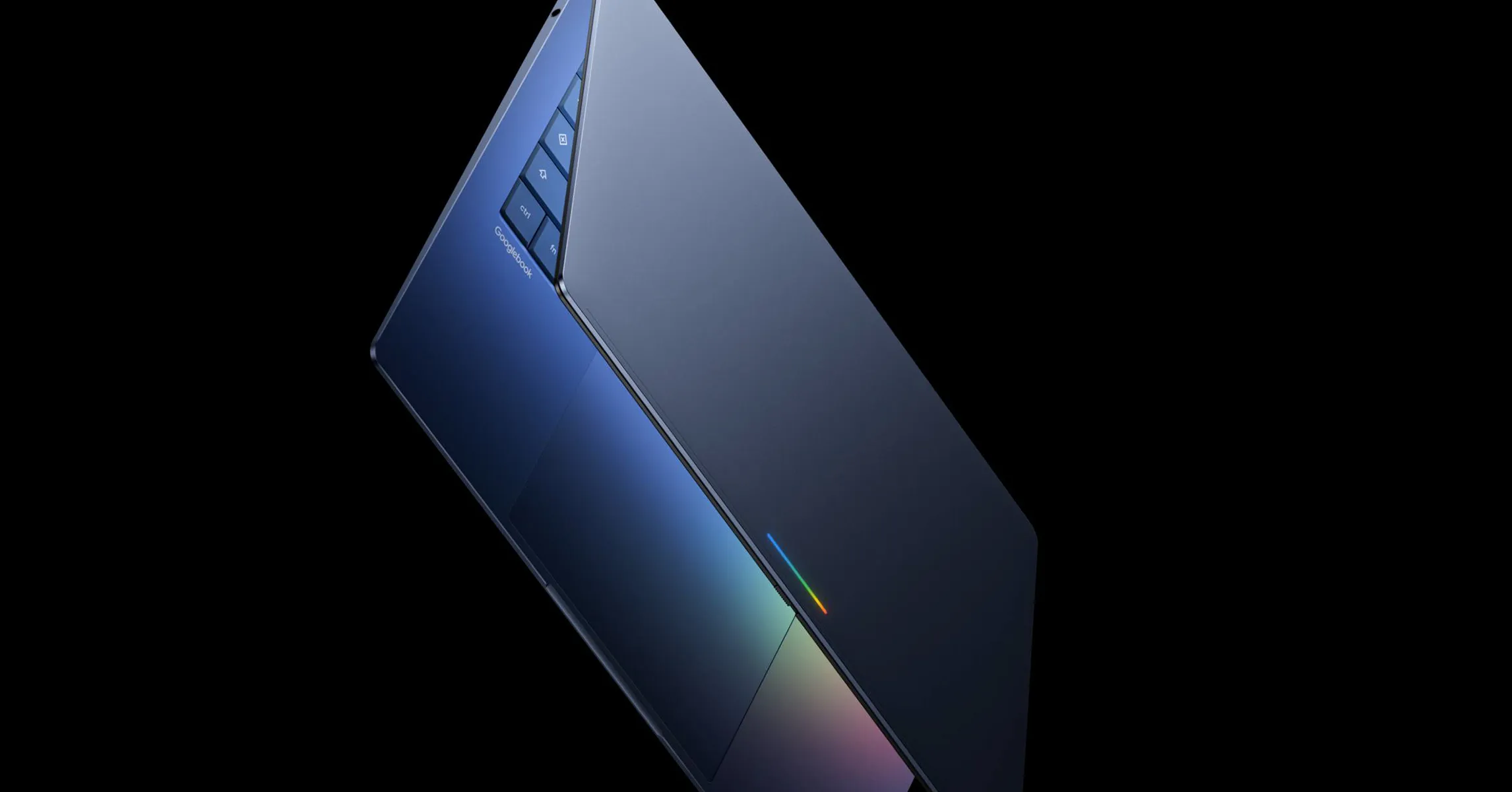
Google has officially launched Googlebook, a new premium laptop platform built on Android and powered by artificial intelligence. The announcement marks a strategic shift from the company's long-standing web-first Chromebook ecosystem, targeting users who require desktop-grade applications alongside advanced AI features. Unlike standard Chromebooks, Googlebooks are designed to host native desktop versions of Android apps, offering a level of hardware access and system integration that was previously unavailable on the platform.
The initiative was revealed during the Android Show: I/O Edition virtual event, with major hardware partners including Dell, Acer, Asus, HP, and Lenovo committing to produce devices running the platform. These machines are scheduled to become available to consumers later this fall. The hardware will support both ARM and x86 architectures and will be instantly recognisable by a distinctive glowing LED "glowbar" that displays Google colours. This design element serves as a functional brand identifier, nodding to the lightbar on the original Google Chromebook Pixel while maintaining a premium aesthetic.
Alexander Kuscher, senior director at Google leading Android tablets and laptops, confirmed that applications on Googlebooks will act as "primary citizens" with direct access to hardware and the operating system. This stands in contrast to the constrained Android app experience found on Chromebooks. The platform aims to move beyond simply adapting existing mobile software, encouraging developers to create native desktop versions of their Android applications. This approach allows for a rethinking of the app experience, where software can leverage the full capabilities of the laptop environment rather than being limited to a web-first or mobile-optimised interface.
A key differentiator for the new platform is the integration of DeepMind technology, specifically through a feature called the "Magic Pointer". This AI-driven cursor allows users to wiggle their mouse over content, such as dates in emails or images in the Files app, to receive contextual suggestions from Gemini. Additionally, a new generative AI feature known as "Create a Widget" is set to arrive in Android 17, enabling users to generate custom widgets via voice commands. These capabilities will be available on Googlebooks, further distinguishing them from the current Chromebook offering.
Despite the introduction of this new premium line, Google has confirmed that Chromebooks will not be replaced. The company remains committed to its existing Chromebook ecosystem, with updates expected for current devices for up to 10 years. Googlebooks are positioned to complement the current market, specifically catering to users who need deeper integration with Android phones. The new platform will allow users to open phone apps on their laptops and search for documents or images stored on their mobile devices via the Files app, creating a seamless cross-device workflow for Android users.
While the operating system was internally codenamed "Aluminium OS", the official branding will not be revealed until later this year. Google is currently sharing the platform name, Googlebook, to define the category. The company continues to invest in the Android ecosystem, ensuring that laptops remain at the forefront of innovation. As manufacturers prepare their spectrum of offerings, the focus remains on delivering a unified, high-end experience that leverages the rapid advancements in Android technologies and artificial intelligence.
