Google Unveils Android XR Glasses Prototype at I/O, Confirms Audio-Only Launch Later This Year
While the display-equipped prototype remains in development, Google confirmed that a commercial audio-only version of the glasses will begin shipping later this year, marking its entry into the wearable AI hardware market.
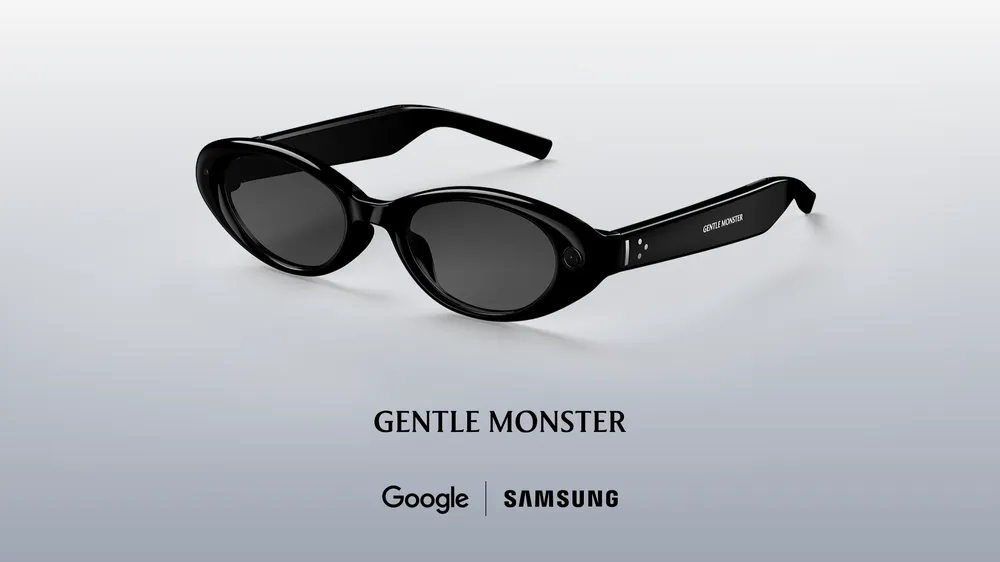
Google has showcased a prototype of its Android XR glasses at its I/O developer conference, revealing augmented reality capabilities driven by the Gemini AI model. Developed in collaboration with Warby Parker, Gentle Monster, and Samsung, the devices feature an in-lens display designed to overlay information such as live translation, navigation via Google Maps, and object identification directly into the user’s field of view. The company confirmed that a commercial audio-only version of the glasses will begin shipping later this year, while the display-equipped version remains in active development.
The prototype demonstrated at the conference was a distinct iteration from future shipping models, designed to allow Google to experiment with display technology and battery life without being constrained by cosmetic details. Consequently, the fit, shape, and dimensions of the final product are expected to differ significantly from the test units. The device features a single display over the right eye, although the platform is capable of supporting both single and dual display configurations. Activation of the Gemini AI assistant requires a two-second press on the right side of the frame, accompanied by a startup chime.
During hands-on demonstrations, the glasses displayed widgets for weather, countdowns, and walking directions, alongside a home screen interface. The translation feature, backed by the Google Translate app, automatically detected languages and displayed text on the lens while providing audio feedback through the frame. Navigation capabilities were also highlighted, with the glasses displaying turn-by-turn directions from Google Maps without requiring users to remove their phones from their pockets. Users could orient themselves by looking down to view a map or looking forward for directional cues.
Google also confirmed that the audio-only version, scheduled for release later this year, will support Gemini features including real-time translation and transcription on the paired phone. This first-generation audio hardware represents a strategic step before the more complex display models, allowing the company to compete with rivals such as Meta and Snap in the wearable AI space. The audio glasses will also support third-party app integrations, enabling tasks such as adding recipe ingredients to a shopping list via voice commands.
Uncertainties remain regarding the final commercial product, particularly concerning battery life and visual clarity. The prototype prioritised display experimentation over power efficiency, and testers noted potential eye strain during extended use, though it is unclear if this was caused by the display technology or the specific prescription contacts used during the demo. Google plans to expand its trusted tester program for the display-equipped version later this year, with further details expected as the technology matures.