Google unveils Android-powered 'Googlebooks' laptops for 2026 launch
New devices will feature native Android app support, deep phone integration, and AI-driven cursor tools, with shipping scheduled for the autumn of 2026.
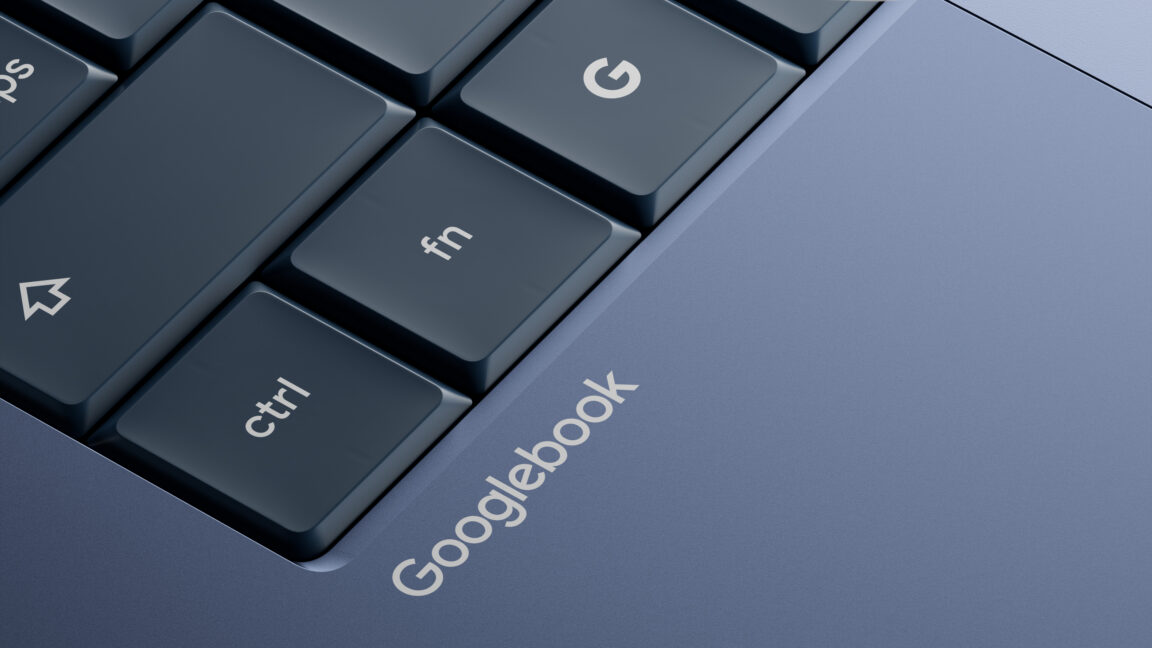
Google has announced a significant shift in its hardware strategy with the unveiling of a new line of Android-powered laptops branded as Googlebooks. Scheduled to begin shipping in the autumn of 2026, the devices represent a departure from the company's long-standing ChromeOS focus, marking a dedicated push into a platform built from the ground up for its Gemini Intelligence ecosystem.
The announcement, made during the virtual Android Show: I/O Edition event, confirmed that major original equipment manufacturers including Acer, Asus, Dell, HP, and Lenovo will produce the devices. While Chromebooks remain part of the portfolio, the new Googlebooks line will run native Android applications via the Play Store, aiming to resolve previous limitations where Android apps were shoehorned into the ChromeOS environment with limited success.
A defining feature of the hardware is the integration of Gemini Intelligence, beginning with a cursor-based tool known as the Magic Pointer. This AI-driven feature allows users to activate full-screen experiences simply by moving their mouse over content, with the system providing contextual suggestions and pulling data from multiple applications. Complementing this is Magic Cue, an action recommendation feature previously available on Pixel phones, which will surface information based on the user's context.
Designers have included a distinctive illuminated Glowbar on the lid to identify the devices, a nod to previous Google hardware that used similar light bars for battery indicators. While Google describes the feature as both functional and beautiful, the specific utility of the Glowbar on the new laptops remains unexplained. The company has stated it will provide further details regarding the app ecosystem and third-party store support closer to the launch date.
Deep integration with Android phones is another core component of the Googlebooks platform. Users will be able to stream applications directly to the laptop via a dedicated taskbar button, with apps appearing in floating windows. Similarly, file transfers between the mobile device and the laptop are designed to be seamless, potentially reducing the need for users to install a heavy number of applications on the desktop machine.
Despite the ambitious scope, some aspects of the software environment remain uncertain. Google has not confirmed whether third-party app stores will be supported or if sideloading of APKs will be restricted, noting that it is currently certifying partners while tightening restrictions on unverified applications. The company has refused to comment on specific details regarding the openness of the ecosystem, stating it will share more information regarding app partners nearer to the release.
