Google unveils Android Auto 2026 overhaul with deep Gemini AI integration
The tech giant’s latest update, demonstrated at the Android Show: I/O Edition, aligns vehicle systems with mobile experiences while introducing voice-controlled vehicle settings and 3D navigation.
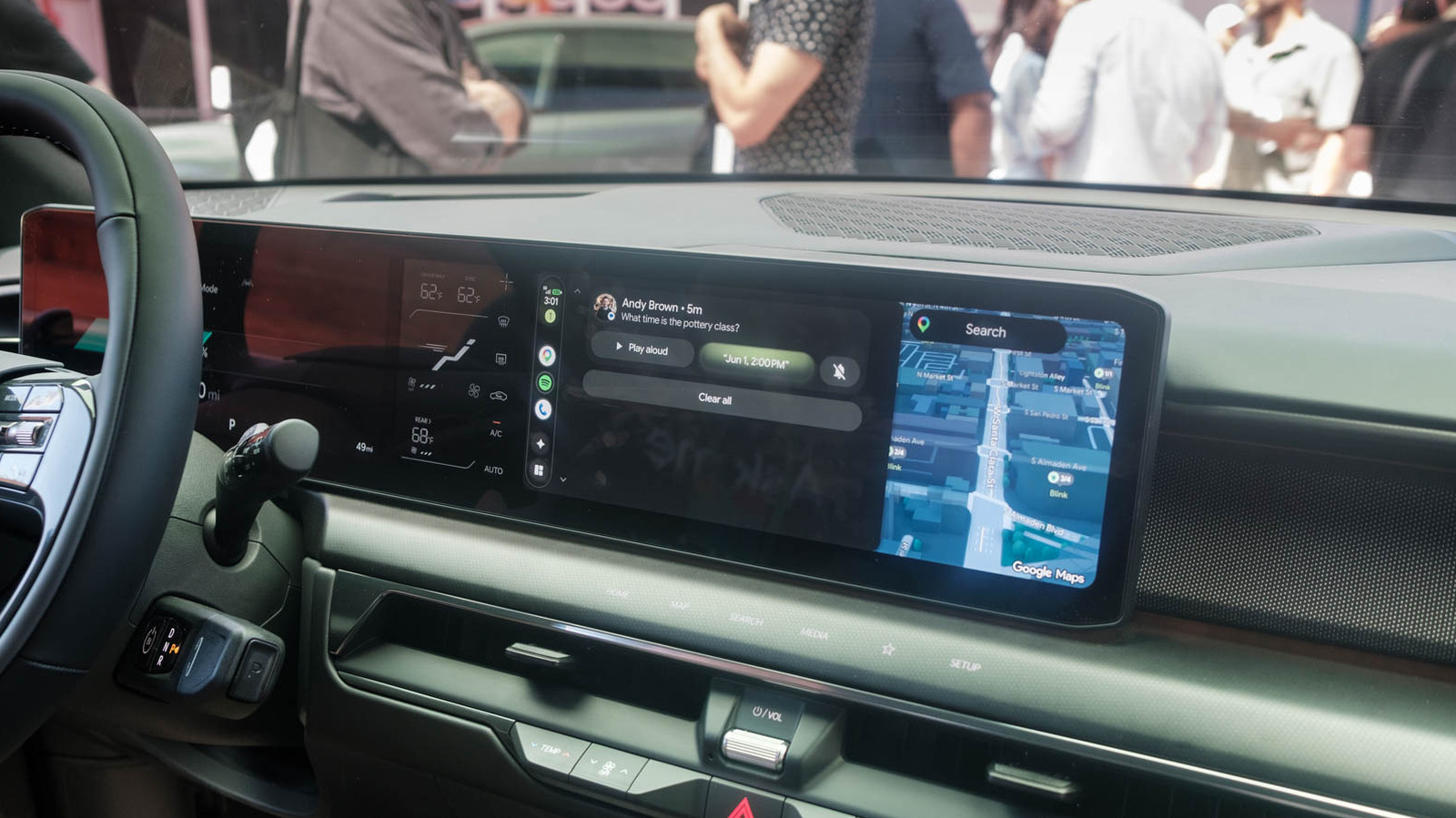
Google has announced a comprehensive update for Android Auto scheduled for release in 2026, marking a significant shift in how users interact with vehicle infotainment systems. Unveiled at the Android Show: I/O Edition, the overhaul introduces the Material 3 Expressive design language, a feature known as Immersive Navigation, and Android-inspired widgets. The update aims to bridge the gap between mobile and in-car interfaces, with core enhancements available to users accessing the platform via phone or through vehicles with Google built-in systems.
A central component of the 2026 update is the deep integration of Google’s Gemini artificial intelligence. While standard Android Auto users will benefit from improved voice directions, vehicle-specific controls are exclusive to cars with Google built-in hardware. Demonstrations conducted using a Volvo EX60 showed that Gemini can manage model-specific settings via voice commands, such as adjusting sunroof opacity from transparent to opaque. This level of integration requires direct manufacturer inclusion of the assistant within the vehicle’s architecture.
The AI also provides contextual information derived from vehicle camera feeds. During a demonstration, Gemini identified the Transamerica Pyramid in the distance and provided historical context regarding its status as San Francisco’s tallest building for 48 years. This capability highlights the potential for AI to enhance situational awareness, although the assistant maintained a diplomatic tone regarding the building’s current ranking relative to the Salesforce Tower.
Navigation capabilities are being revitalised through Immersive Navigation, an overhaul first announced in March. This feature utilises 3D building rendering to provide a clearer sense of scale and depth, alongside prominent visual cues for critical road elements such as stop signs, traffic lights, and crosswalks. The system employs intuitive voice prompts, such as directing drivers to take a left at the next intersection, designed to reduce cognitive load while driving.
Third-party applications and interface elements are also receiving updates to mirror their mobile counterparts. Spotify and other apps will adopt a visual style consistent with their Android and iOS versions, while new Android-inspired widgets will allow for quick access to information like weather forecasts. The Android Auto team has established specific guidelines for touchscreen usage to minimise driver distraction, ensuring that the more interactive interface remains compliant with safety standards.
