Google unveils Android 17 and Gemini Intelligence suite ahead of I/O conference
The tech giant has officially announced updates for its mobile operating system and AI infrastructure, focusing on automation, digital well-being, and cross-platform file sharing.
Google has officially announced features for Android 17 and a new suite termed "Gemini Intelligence" ahead of the annual Google I/O conference. The updates were revealed on Tuesday via the company's second-ever Android Show, a livestreamed presentation designed to preview the changes arriving later this summer. The announcement marks a continued strategic shift toward an intelligent operating system, with a focus on AI-powered features that align with user needs while maintaining user control over data and automation.
Key new capabilities include the ability to generate custom widgets via natural language, allowing users to create dashboard elements such as weather forecasts or meal prep recipes without writing code. This feature will initially roll out to Samsung Galaxy and Google Pixel devices this summer. Additionally, Google has introduced a Chrome browsing assistant for task automation, enabling users to handle appointments or reservations directly through the browser. The update also includes an upgraded voice-to-text feature that uses AI to remove filler words like "um" and "ah" from dictated text.
In a move to encourage intentional smartphone usage, Google introduced "Pause Point," a digital well-being tool designed to prompt users to reflect before opening distracting applications. The tool offers alternatives such as breathing exercises or setting timers to limit screen time. Furthermore, the company confirmed expanded Quick Share compatibility with non-Apple devices, including Oppo, OnePlus, Vivo, Xiaomi, and Honor, facilitating easier file sharing across different ecosystems.
On the hardware front, Google launched the "Googlebook" platform for future laptops. This new ecosystem will run a fusion of Android and ChromeOS technologies, distinct from the previously leaked codename Aluminium. The operating system stack is built on Android technology, allowing these devices to run Chrome for web browsing alongside other applications. Google confirmed that major manufacturers including Acer, Asus, Dell, HP, and Lenovo will be producing these devices later this year.
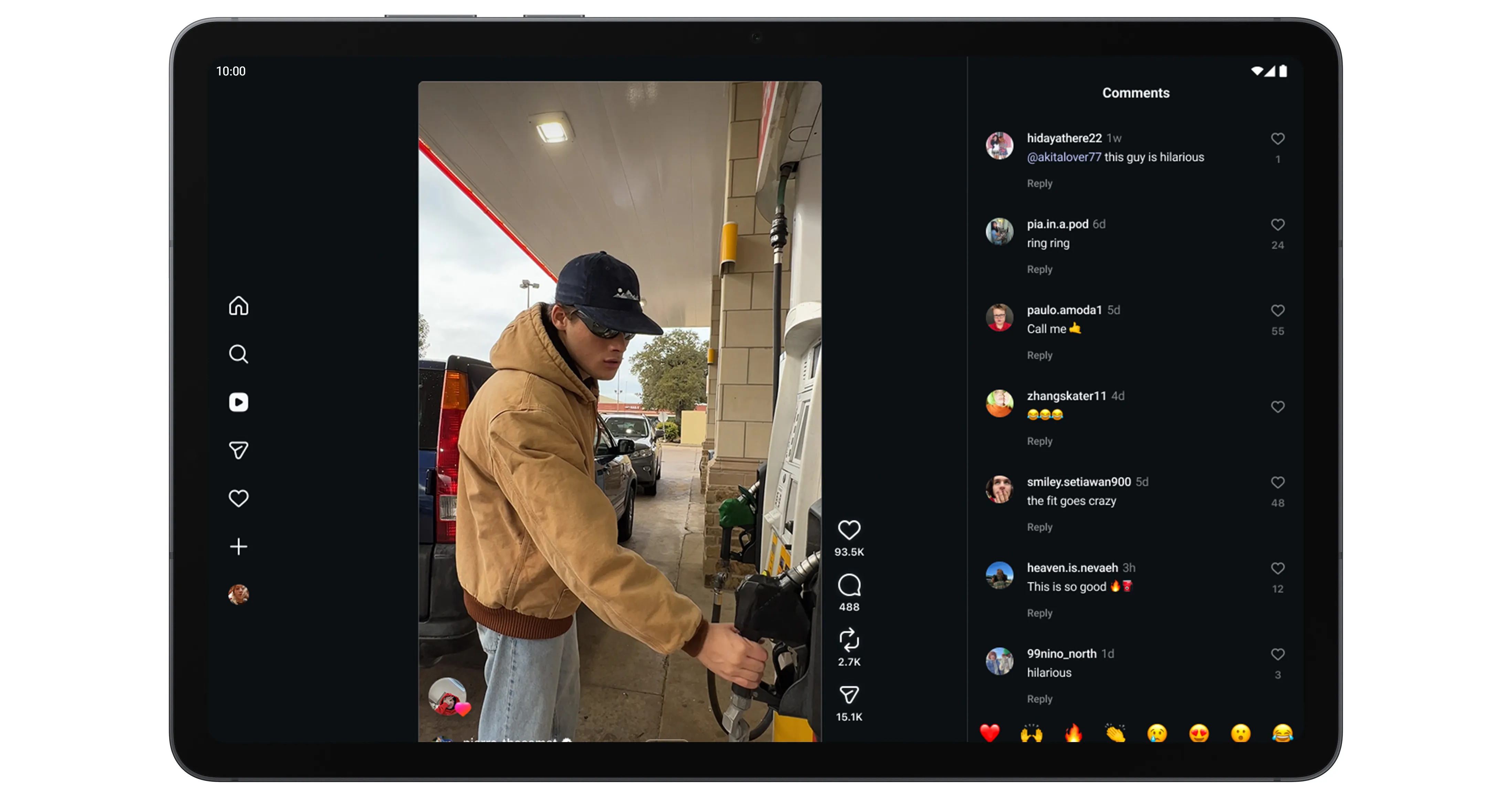
The announcement also highlighted a collaboration with Meta to enhance the Instagram camera experience on Android. This partnership includes improvements such as Ultra HDR support, built-in video stabilization, and integration with the phone camera's night mode. Google also noted that Adobe is bringing its Premiere video editing app to Android with exclusive templates for creating YouTube Shorts.
Finally, new Android Auto capabilities were unveiled for in-car navigation and media consumption. The interface now adapts to various dashboard screen shapes and supports 60 frames per second in Full HD. The update also introduces meeting app support for dashboard calls and allows Gemini to answer questions about specific vehicle hardware, such as warning lights, leveraging the car's front-facing camera for live lane guidance.