Google Translate rolls out AI pronunciation practice tool for 20th anniversary
Users in the United States and India can now access a new 'Practice' menu to score their enunciation using artificial intelligence, a move described as resembling the functionality found in apps like Duolingo.
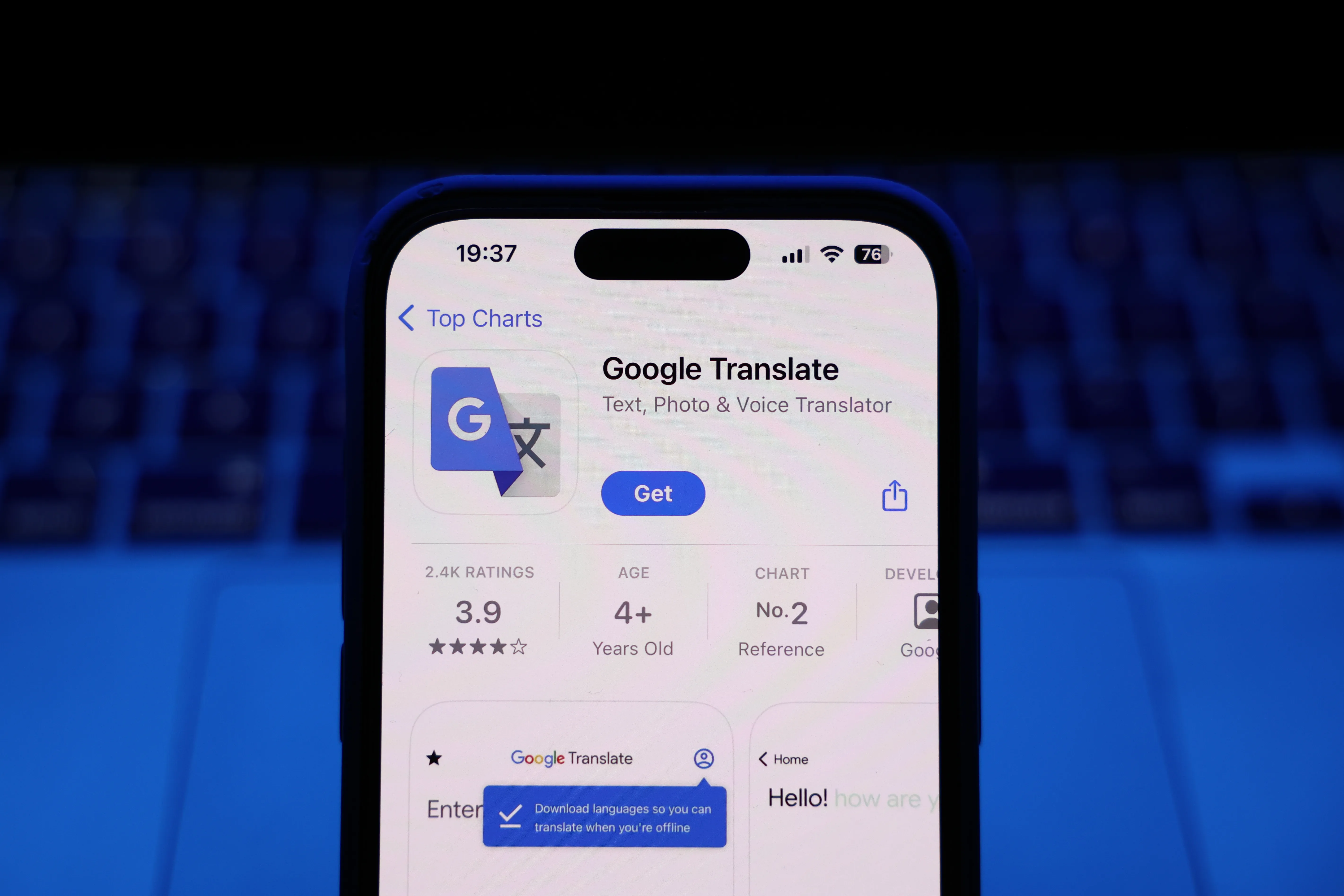
Google Translate has unveiled a new pronunciation practice feature to mark its 20th anniversary, allowing users to refine their speaking skills in multiple languages. The update introduces a dedicated 'Practice' menu where individuals can access phonetic guides and speak translated text aloud to test their enunciation.
Upon speaking, the application scores the user's performance and provides specific AI-driven feedback on their delivery. For instance, the system may note that certain sounds were unclear, offering a level of detail previously absent in standard translation tools. Users also have the option to listen to the app's own pronunciation of the text for comparison.
This functionality is currently rolling out in the United States and India, with initial support for English, Spanish, and Hindi. The company describes the feature as resembling the speaking practice exercises found in language learning platforms such as Duolingo, aiming to make the nuances of pronunciation more accessible to users.
The launch coincides with a broader push to integrate advanced capabilities into the suite. Just last month, Google expanded its live headphone translation feature to iOS and subsequently extended availability on Android devices across a range of markets including Germany, Spain, France, Nigeria, Italy, the United Kingdom, Japan, Bangladesh, and Thailand.
While the new tool is being introduced to celebrate two decades of service, availability remains limited during this rollout phase. The feature is not yet fully accessible to all users in the specified regions, and details regarding the depth of the AI feedback mechanism beyond general enunciation notes have not been fully detailed.
