Google to streamline TSA PreCheck Touchless ID via Wallet update
New Google Wallet update, rolling out over the next few weeks, expands support to 100 airlines and eliminates the need for manual passport entry for enrolled travellers.
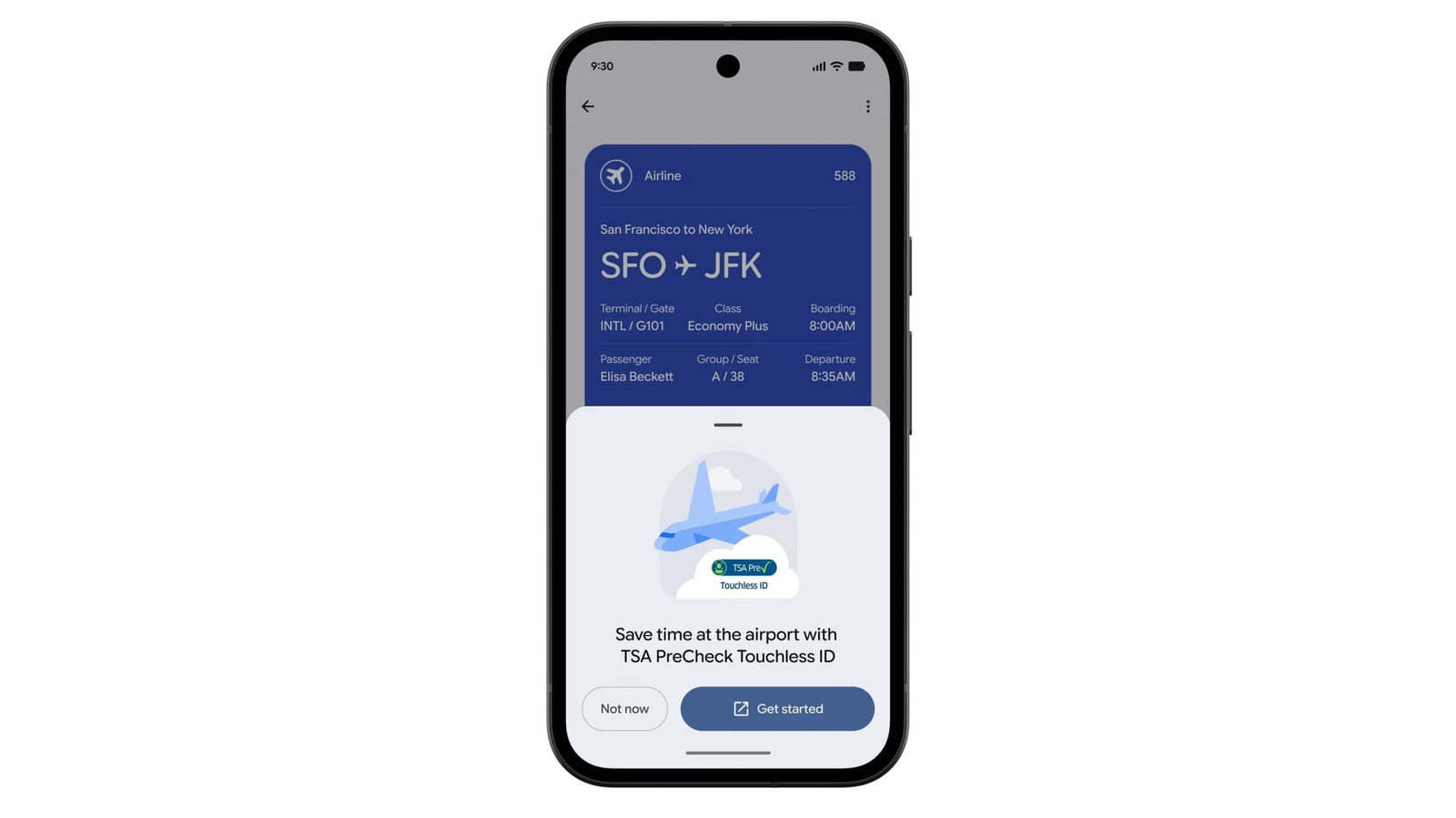
Google has announced a significant update to its Google Wallet application, designed to simplify the use of the Transportation Security Administration’s (TSA) PreCheck Touchless ID program. The update, scheduled for deployment over the next few weeks, establishes Google as the TSA’s first digital wallet partner for the initiative, marking a shift in how digital identity credentials are managed for air travel security.
Currently, members of the PreCheck Touchless ID program face a cumbersome process, requiring them to manually enter passport information for each individual airline they fly with. This limitation is compounded by the fact that the program is currently supported by only a limited number of airlines across 65 airports. The upcoming expansion aims to resolve these friction points by increasing support to 100 airlines, thereby accommodating frequent travellers who utilise multiple carriers.
The streamlined workflow begins with users creating an ID pass containing their credentials within the Wallet app. Following flight check-in, users add their boarding pass to the application. Eligible individuals will then encounter a dedicated button on the boarding pass interface, directing them to a TSA enrollment page where they can agree to share their ID pass and flight details with the agency.
Once the TSA approves the enrollment, a PreCheck Touchless ID icon appears on the digital boarding pass. This visual confirmation allows users to bypass physical ID checks at security checkpoints, moving through express lines without the need to produce a physical document. The update effectively consolidates what was previously a fragmented process across various carrier applications into a single, unified interface.
Data privacy and security remain central to the new system. Google has confirmed that digital IDs are encrypted and stored locally on the user’s device. Furthermore, the sharing of data with the TSA requires explicit user opt-in, which is only processed after the user unlocks their device via biometric authentication, a PIN, or a pattern. This ensures that sensitive personal information is not transmitted without clear, authenticated consent from the account holder.
The expansion represents a notable step in the integration of digital identity into public infrastructure, reducing administrative overhead for both passengers and airlines. By centralising the verification process, Google aims to make the security screening experience more efficient for the growing number of travellers enrolled in the PreCheck program.
