Google to overhaul Google Play commissions and allow alternative billing next week
The tech giant replaces the standard 30 per cent fee with decoupled rates, introducing lower charges for high-earning developers and permitting third-party payment systems ahead of final court approval.
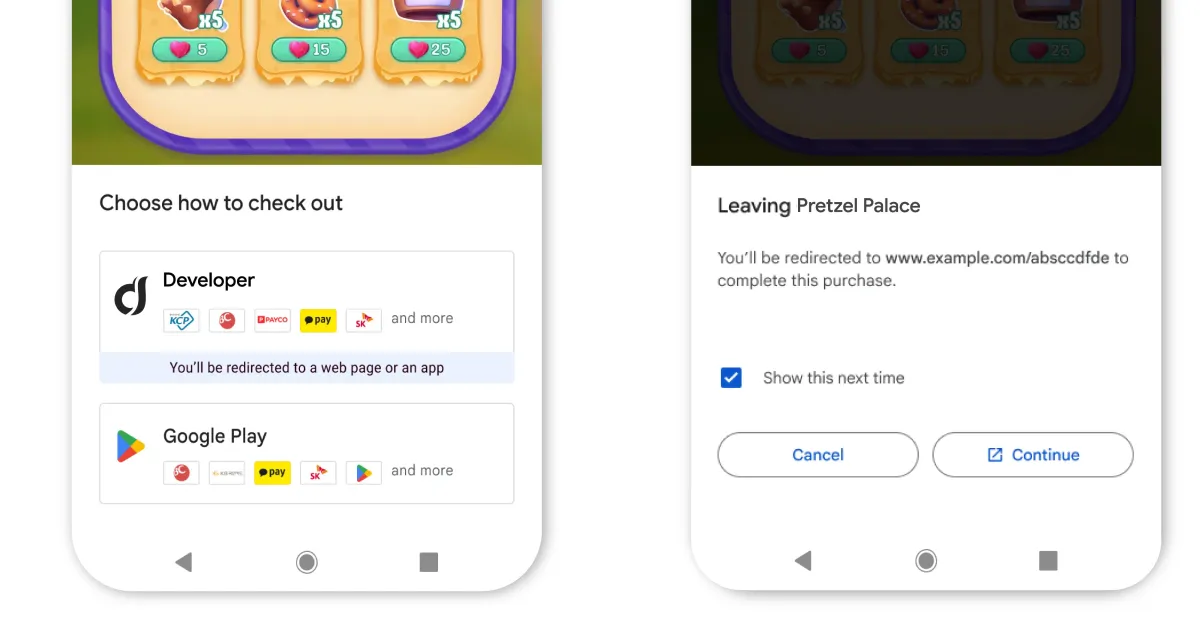
Google is set to begin rolling out significant changes to its Google Play store next week, marking a decisive shift in how developers monetise applications on Android. The move introduces the option for developers to use alternative billing systems or link directly to their own websites, ending the platform’s exclusive reliance on its internal payment infrastructure. This structural adjustment comes as the company navigates the final stages of a major antitrust settlement with Epic Games, which alleged that Google maintained an unlawful monopoly over app distribution and billing on Android devices.
Under the new framework, the longstanding standard 30 per cent commission fee will be replaced by a system of lower, decoupled fees. The specific rate applied to transactions will depend on several factors, including the developer’s total annual earnings, the billing method selected, and whether the user’s first install occurred before or after the introduction of the new structure. Developers opting to use Google Play’s billing system will incur an additional 5 per cent fee on top of the base rate, creating a financial incentive to adopt alternative payment methods.
For high-volume developers, the cost of doing business on the platform will decrease substantially. Applications earning more than US$1 million annually will face a 20 per cent rate for new in-app purchases and a 10 per cent rate for subscriptions. These reduced rates apply specifically to new transactions, distinguishing them from existing user bases, which may be subject to different terms depending on their initial installation date. The company has indicated that additional programmes, such as Games Level Up and Apps Experience, may offer even lower rates for apps that meet specific performance and cross-platform guidelines.
To qualify for these preferential rates under the premium experience programmes, applications must adhere to strict criteria set by Google. These requirements include supporting features such as cloud saves and phishing-resistant sign-ins, meeting benchmarks for memory usage and crash rates, and ensuring compatibility across multiple platforms, including tablets, smart TVs, and Android Auto. This tiered approach aims to reward developers who provide a higher quality, cross-device experience while maintaining the integrity of the Play Store ecosystem.
While the initial changes are scheduled to take effect next week, a full global rollout of the new fee structure and billing options is not expected until after 30 September 2027. Some regions may see earlier implementation of certain program changes by the end of the year. The modifications are being implemented ahead of final court approval of the settlement resolving the Epic Games lawsuit, signalling Google’s proactive stance in adapting its business model to regulatory pressures and evolving market demands.
