Google streamlines smart home ecosystem with new speaker and Gemini AI rollout
The new Google Home Speaker replaces legacy hardware, while the free Gemini for Home assistant introduces paid tiers for advanced features, marking a strategic shift in Google’s smart home revenue strategy.
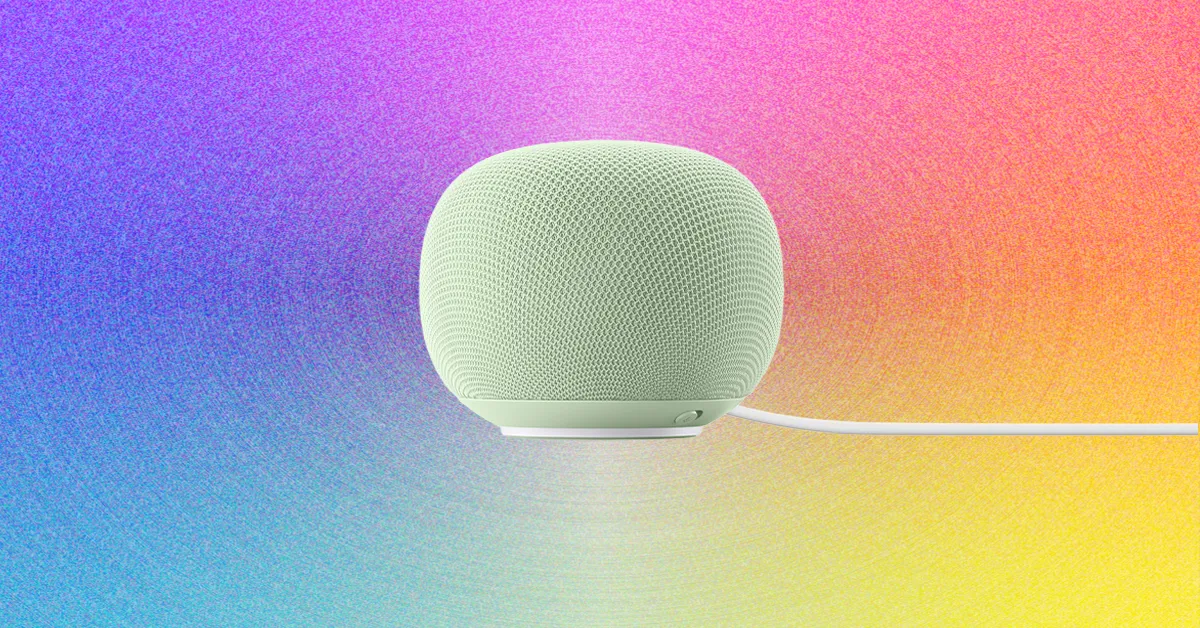
Google has officially consolidated its smart speaker lineup with the release of the new Google Home Speaker, a device that replaces both the Nest Audio and Nest Mini. The hardware, which features a 58-mm full-range driver and a design reminiscent of the Apple HomePod Mini, arrives alongside the rollout of Google Gemini for Home. This new AI assistant supersedes the long-standing Google Assistant on most existing devices, signalling a significant transition in the company’s smart home ecosystem.
While the core Gemini assistant is available at no cost to users with compatible hardware, Google is introducing a tiered subscription model for advanced capabilities. The Google Home Premium plan is priced at $10 per month for the standard tier and $20 per month for the advanced tier. These plans bundle assistant features with video storage for Nest cameras and doorbells, offering new speaker owners six months of free access to the standard plan.
The shift to Gemini for Home brings notable changes in user interaction, with the assistant providing more detailed answers and a more human-like speaking style compared to its predecessor. However, the most powerful features, such as Gemini Live, are restricted to subscribers. This contrasts with competitor Amazon’s approach, where its similar AI assistant, Alexa+, requires a subscription for its most advanced functions, whereas Google’s base Gemini remains free.
Hardware compatibility remains a key differentiator in the updated ecosystem. The new Google Home Speaker is the only device currently recommended by WIRED as worth buying, having replaced the previous mid-range options. Meanwhile, the Nest Hub Max, released in 2019, remains functional and compatible with Gemini for Home, including Gemini Live for subscribers. In contrast, the Google Pixel Tablet is excluded from using Gemini as a voice assistant when docked in its speaker base, despite having access to the Gemini app.
Legacy and third-party devices face a more uncertain future. Third-party smart displays, such as the Lenovo Smart Display, are no longer receiving software updates and are not expected to gain access to Gemini. Additionally, the Google Pixel Tablet has been disappearing from retail shelves, suggesting it may not continue to be sold as a smart home device. Google’s original smart speaker, launched in 2016, serves as the namesake for the new release, marking a return to the brand’s roots with a modernised AI core.
