Google shifts NotebookLM to Gemini 3.5 with automated source discovery
New features include multi-format output generation, detailed reasoning transparency, and expanded access for business customers.
Google has announced a significant update to its NotebookLM research tool, establishing Gemini 3.5 as the default model for the platform. The release marks a strategic shift in how users interact with the application, introducing automated capabilities that allow the system to construct source repositories through conversational chat interfaces rather than relying solely on manual document uploads.
Under the new architecture, users can initiate a project discussion within the app, which then utilises its research skills and Google Search to suggest relevant sources. This functionality represents a departure from previous iterations where users were required to bring their own primary sources to begin extracting insights. The system is designed to assist in locating materials in various languages or identifying content from related authors, thereby streamlining the initial phase of knowledge base construction.
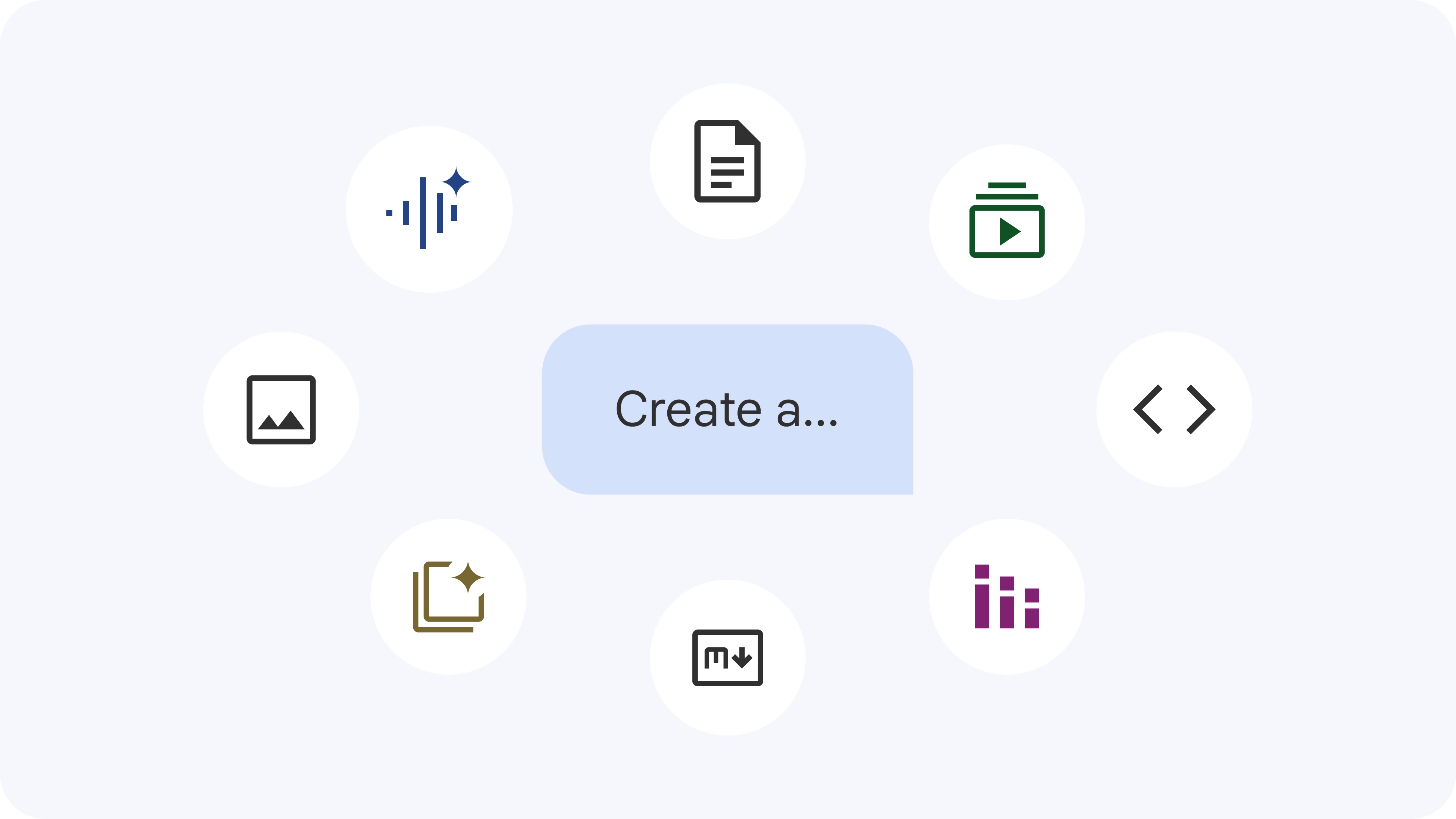
The update also expands the range of outputs users can generate and edit. Supported formats now include data visualisations and charts in PNG and SVG formats, documents in PDF, DOCX, Markdown, and text file formats, structured data in CSV and JSON, as well as Microsoft Excel and PowerPoint files. The tool additionally supports the generation of images described in the source material as "Nano-banana-powered".
Transparency in artificial intelligence reasoning has been enhanced with the introduction of detailed step-by-step explanations for answers provided within the chat. This feature builds upon the "Deep Research" mode Google introduced last year, allowing users to scrutinise the logic behind the tool’s conclusions. The company has also integrated "Antigravity-powered software skills" to further assist with research tasks and output generation, mirroring similar enhancements made to its search products to improve engagement for query-based interactions.
Access to these updates is currently restricted to Google AI Ultra users and Workspace business customers holding AI Ultra or AI Expanded Access. Google stated that the features are available starting today, with plans to expand availability to other user groups in the future, though no specific timeline for broader rollout has been provided.
