Google secures $3.5bn for Arkansas solar farm to offset data centre emissions
The 1.6-gigawatt project, scheduled for 2029, will feed into the local grid as Google’s electricity consumption surges by 37 per cent year-on-year.
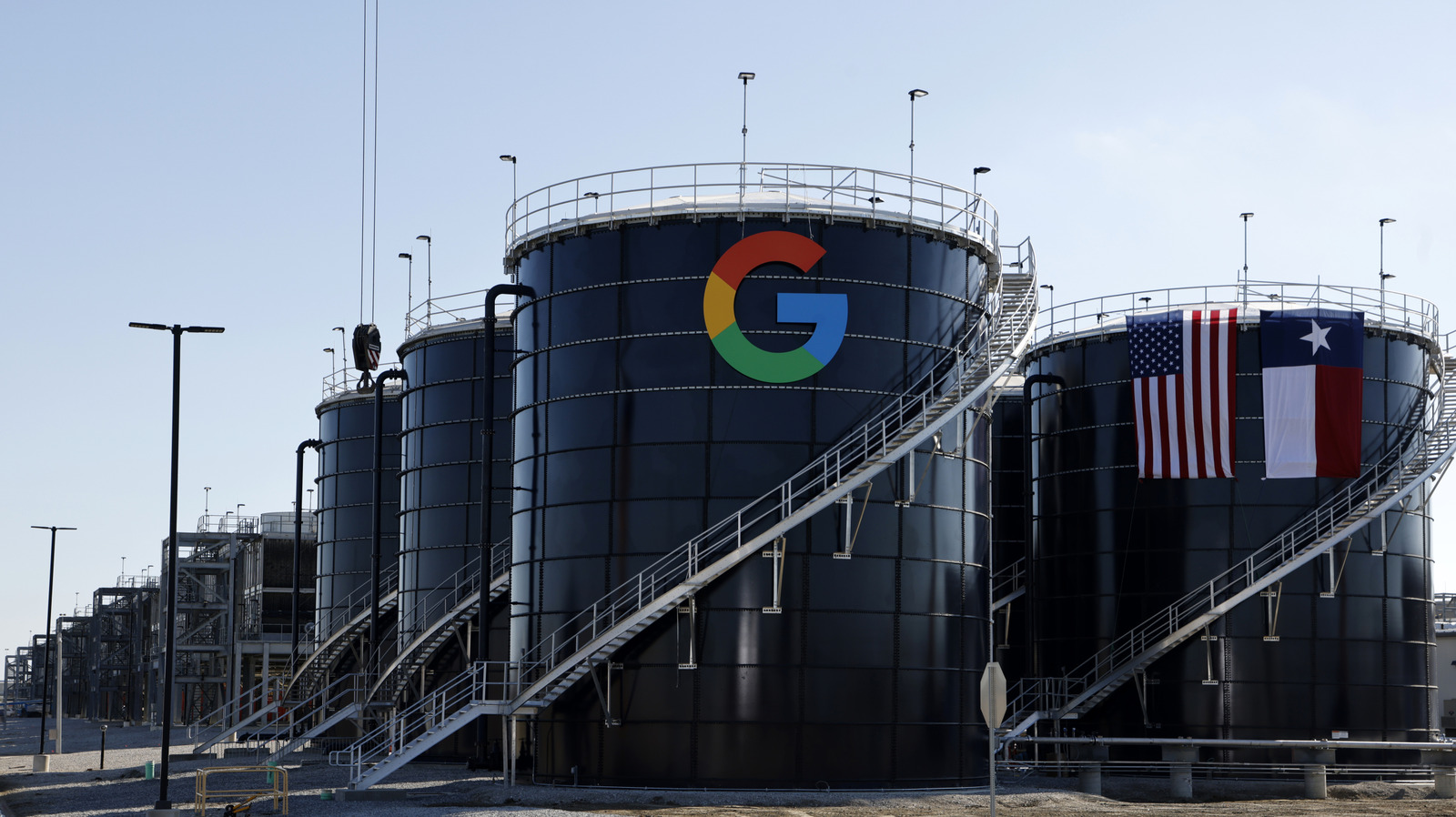
Google has entered into a corporate power purchase agreement to acquire the entire electrical output of the Steel River Energy Center in Arkansas, a move designed to offset fossil fuel emissions generated by its data centres. The search giant will pay a fixed cost for 100 per cent of the facility’s initial generation, which is scheduled to come online in 2029. The project will initially produce 1.6 gigawatts of solar power alongside 2 gigawatts of battery storage, capacity sufficient to power approximately 315,000 homes.
The agreement follows a significant escalation in energy demand within the technology sector, driven largely by the infrastructure requirements for artificial intelligence. Google’s electricity consumption rose by 37 per cent in the previous year, a trend that correspondingly increased its grid-based emissions. Competitors Meta and Amazon have experienced similar surges in energy usage as they expand their data centre operations to support AI workloads, prompting a broader industry shift toward large-scale renewable procurement.
Under the terms of the deal, Google will not consume the electricity directly. Instead, the power generated by the Steel River facility will feed into the local grid mix. Google currently draws its power from a diverse grid comprising coal, nuclear, renewables, and natural gas, supplemented by on-site sources such as gas turbines and engines. By purchasing the output of the new solar farm, Google aims to balance its overall energy portfolio against the fossil fuel sources that currently underpin its operational footprint.
Financial backing for the initiative is already in place, with the first two phases of the Steel River Energy Center securing $3.5 billion in financing. This capital prioritises the use of US-manufactured steel and solar panels, aligning with domestic supply chain preferences. Upon full completion, the project is expected to expand its output to 2.45 gigawatts of solar power and 2.9 gigawatt-hours of battery energy storage.
The strategy of using clean energy projects to offset fossil fuel consumption remains a subject of debate among experts, with some arguing that such mechanisms do not effectively mitigate climate impact. Nevertheless, the trend is accelerating across the sector; Meta recently purchased the entire 200 megawatt output of a solar plant in Texas, while Amazon agreed to acquire the 1.2 gigawatt Sunstone project in Oregon. These moves come as scientists warn that recent extreme weather events, including heatwaves in Europe, are increasingly linked to anthropogenic climate change.
