Google rolls out AI caller impersonation warnings and ecosystem updates on Android
The tech giant is expanding its anti-scam measures for Android 12 devices while introducing virtual wardrobe tools and enhanced cross-platform sharing capabilities ahead of the Android 17 release.
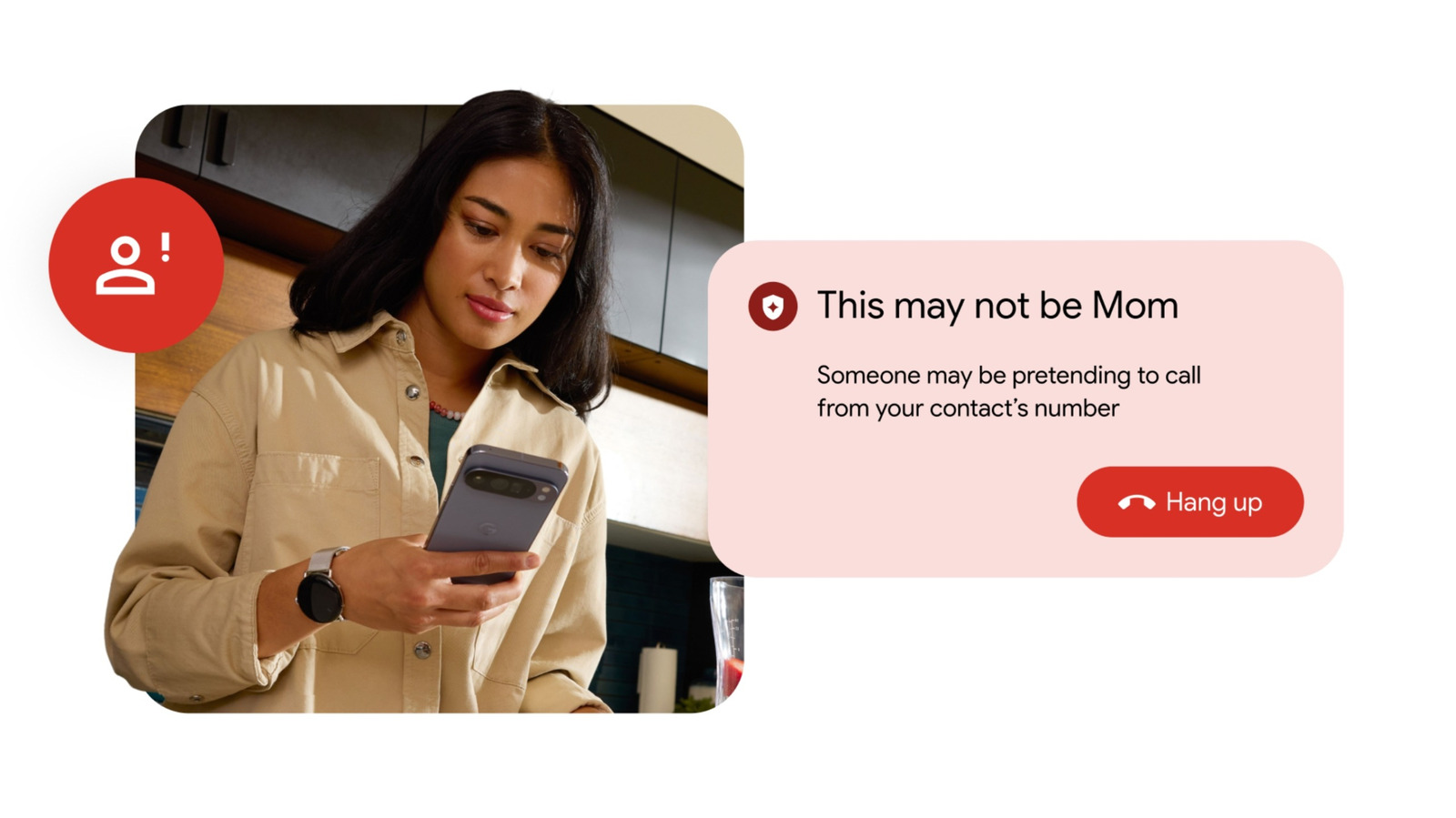
Google is introducing a sophisticated caller impersonation warning feature to the Google Phone app for Android devices running version 12 and above. This update builds upon scam detection capabilities initially launched in 2024, utilising end-to-end encrypted Rich Communication Services (RCS) to digitally bind a phone number to a specific handset. When a contact calls, their device sends a silent, real-time confirmation signal to verify the call is legitimate. If this digital handshake fails, users receive an immediate warning to end the call, accompanied by visual cues such as the removal of the contact photo and a change in the call log entry to "Unknown caller".
The company states that this verification process is designed to be completely private while preventing fraudsters from spoofing known contacts. A pop-up warning appears on the screen stating that someone may be pretending to call from the contact's number, allowing users to take immediate action. This development coincides with broader updates to Google’s ecosystem, including AI features for Google Photos and Play Books, expanded Circle to Search functionality, and increased compatibility for Quick Share with Apple’s AirDrop.
In addition to security enhancements, Google is introducing new AI-powered skills across its key applications. Google Photos is receiving a "wardrobe" feature that catalogs clothes worn in photos and allows users to virtually try them on. This feature is currently available on select devices in the US, India, and Brazil running Android 10 and up. Meanwhile, Google Play Books is adding an AI-powered recap feature and contextual information for highlights, with insights rolling out now to select titles in English.
Existing tools are also receiving significant updates. Circle to Search, previously demonstrated on Samsung phones in February, can now identify and search for multiple items in an image rather than just one. Furthermore, Google’s workaround to make its file sharing feature, Quick Share, work with Apple’s AirDrop is now available on more Android devices. The update also includes Emoji Kitchen in Gboard, which allows users to combine emojis to create new ones.
Google is also expanding access to its Personal Safety app, making it available to users under the age of 13. This allows younger users to display medical and emergency contact information on their lock screen and quickly enable safety features such as car crash detection. These updates arrive ahead of the release of Android 17 later this year, marking a significant expansion of the company's safety and AI offerings across the platform.
