Google returns to smart speaker market with $99 Gemini-powered Home device
Early testing reveals strong audio performance and reliable wake-word detection, though minimalist design draws criticism for unintuitive touch inputs.
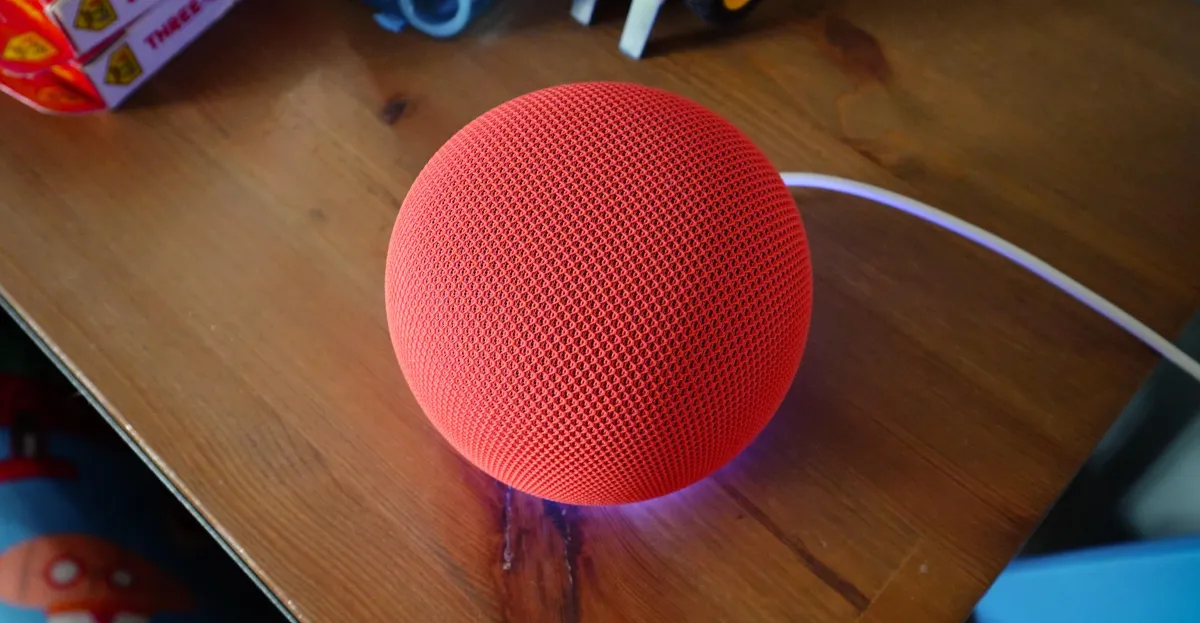
Google has officially re-entered the consumer smart speaker market with the launch of the new Google Home Speaker, a $99 device that marks the company’s first dedicated hardware release in this category for six years. The device is positioned not merely as an audio output tool, but as an ambient interface designed to integrate Google’s Gemini AI assistant into daily routines, handling tasks such as smart home management, daily planning, and information retrieval.
Initial hands-on testing indicates that the speaker delivers a robust audio profile, characterized by clear, loud sound and a pronounced bass emphasis. In direct comparisons, the device reportedly outperforms the Amazon Echo Dot Max in volume and clarity, while holding its own against competitors like the UE Wonderboom, which tends to prioritise vocals and higher frequencies. The three-microphone array has demonstrated high accuracy in wake-word detection, even in noisy environments such as a running shower, with testers noting no missed commands during the initial two-day testing window.
Despite the strong audio credentials, the device’s design has drawn scrutiny for its lack of physical controls. The minimalist aesthetic features no visible buttons, relying instead on small touch targets located on the sides for volume adjustment and the top for playback. Reviewers have described these controls as unintuitive and difficult to locate, particularly given the device’s spherical shape. Additionally, the light ring that indicates Gemini’s listening status is positioned underneath the unit, making it difficult to see unless the speaker is elevated.
Connectivity options are limited to Google Cast and integration with other Google ecosystem devices, such as the Google TV Streamer for enhanced audio or grouping multiple units for synced playback. The device does not function as a standard Bluetooth speaker, a constraint that may limit its utility for users accustomed to wireless streaming from non-Google devices.
The launch coincides with Google’s broader strategy to embed Gemini AI into consumer hardware, aiming to shift the smart speaker from a simple voice command tool to a proactive life assistant. While the audio performance is considered competitive, the long-term success of the device will likely hinge on the practical utility and reliability of the Gemini assistant, which has yet to undergo comprehensive review.
Google has not released a smart speaker in six years, and the market reception will depend heavily on whether the integration of AI features justifies the return to hardware. Current insights are based on limited testing, and a full assessment of the AI assistant’s performance and the long-term reliability of the touch controls remains pending.
