Google Pixel 11 Pro Fold: Specs, Updates, and the Shift to Passport-Style Design
The Verge compares Google’s new flagship against Samsung’s Galaxy Z Fold 8 and the previous Pixel generation, highlighting silicon efficiency and form factor convergence.
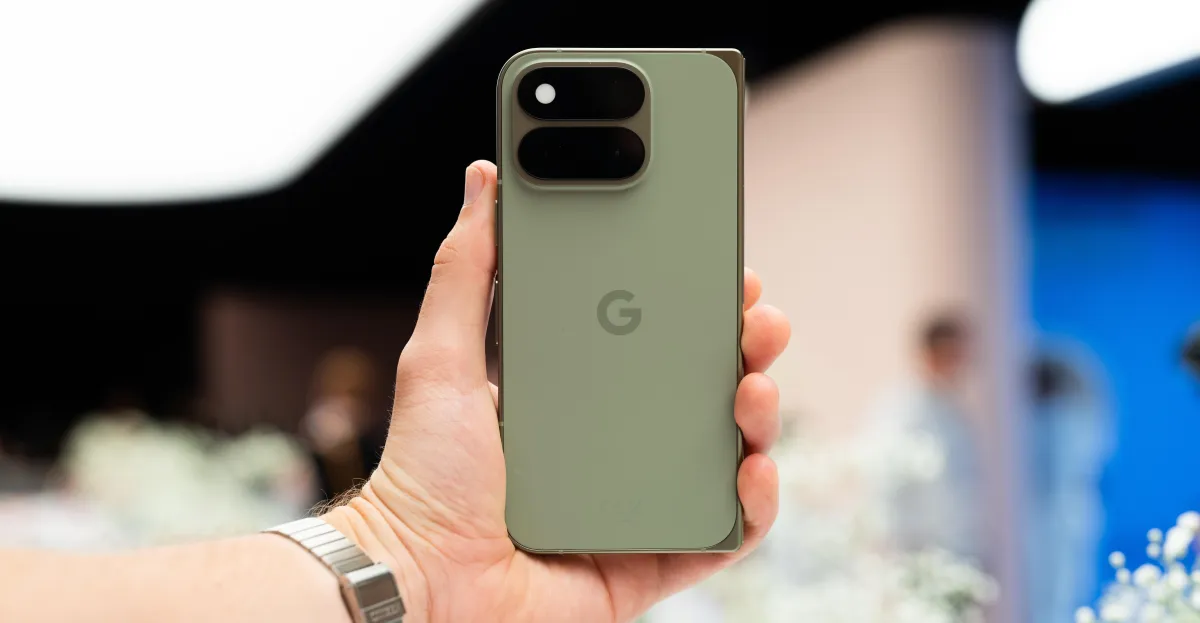
The Verge has published a detailed comparison of the newly unveiled Google Pixel 11 Pro Fold, positioning it against the previous generation model as well as Samsung’s Galaxy Z Fold 8 and Z Fold 8 Ultra. The analysis underscores the hardware and software advancements that define the latest iteration, including the integration of the Tensor G6 processor, HiLight technology, and accelerated wireless charging capabilities.
Central to the Pixel 11 Pro Fold’s value proposition is the new Tensor G6 chip. Google claims this silicon is 20 per cent more power efficient than its predecessor and delivers 50 per cent more TPU compute specifically for artificial intelligence tasks. These performance metrics are part of a broader rollout across the Pixel 11 lineup, which also includes the Pixel 11, Pixel 11 Pro, and Pixel 11 Pro XL, all of which now feature increased base storage capacities starting at 256GB.
The comparison also highlights a significant shift in industry design philosophy. Google’s Pixel Fold series popularised the passport-style form factor, which is wider than it is tall. This design choice has influenced competitors, with Samsung adopting the same orientation for its Galaxy Z Fold 8. Industry speculation suggests Apple may follow suit with a foldable iPhone, potentially arriving in 2026, although reports indicate the timeline remains uncertain.
Durability remains a key differentiator in the foldable market. The Pixel 10 Pro Fold was the first device in the series to achieve an IP68 rating, addressing longstanding investor and consumer concerns regarding the fragility of foldable screens. The new Pixel 11 Pro Fold builds on this foundation, aiming to solidify Google’s position as an established player in the Android foldable sector.
Software integration continues to deepen alongside hardware updates. The launch of the new devices coincides with Google’s Gemini app surpassing one billion monthly active users, placing it on par with OpenAI’s ChatGPT. With 63 per cent of users engaging via voice features and significant daily image generation, the software ecosystem is becoming as critical a factor in device adoption as the physical hardware itself.