Google opens Fitbit Air blueprints for third-party accessory manufacturing
The move supports a growing community of hobbyists and manufacturers, though strict material guidelines remain in place to ensure sensor accuracy and user safety.
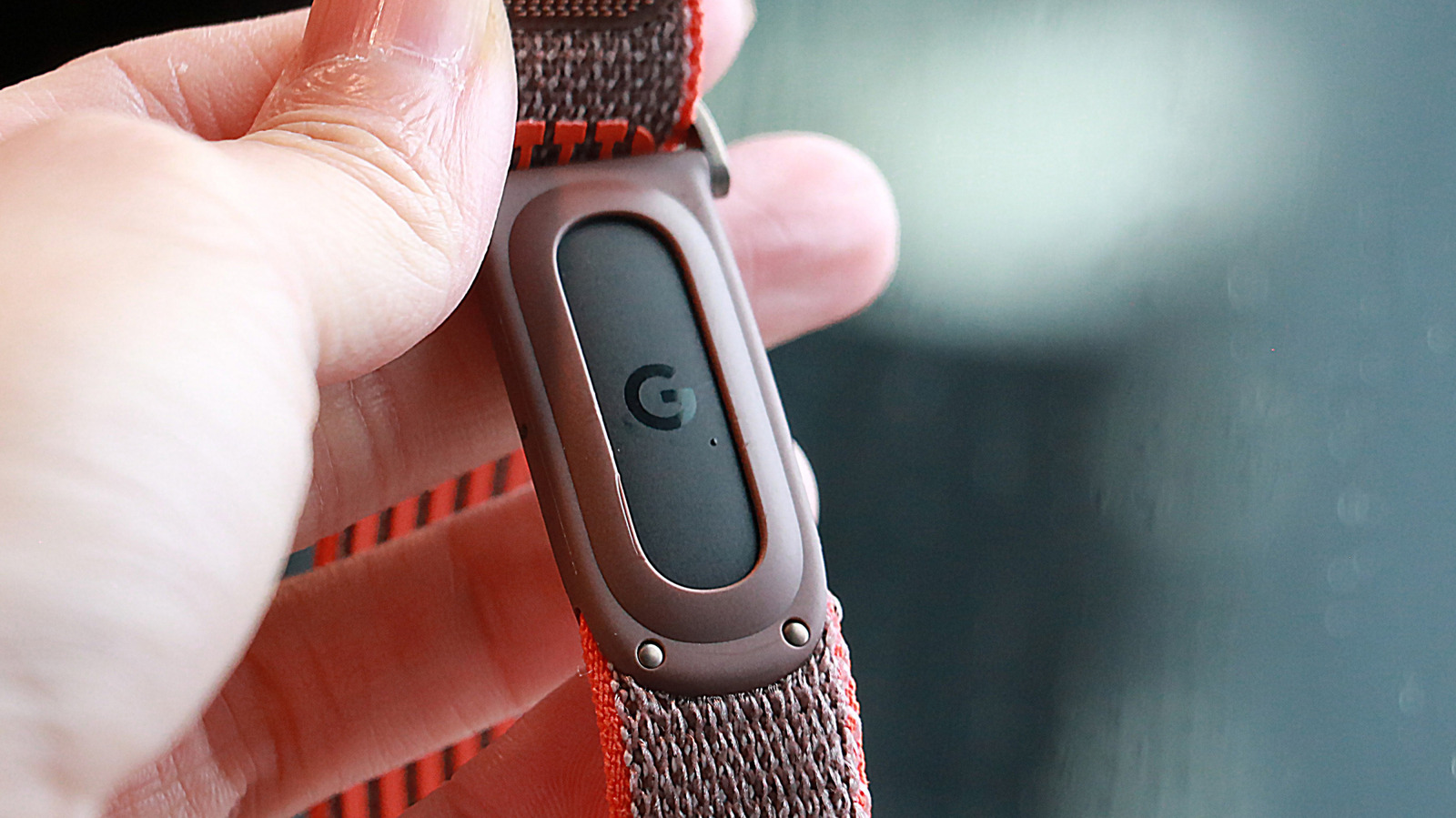
Google has published the 2D CAD drawings and technical specifications for the Fitbit Air health tracker, a strategic move designed to facilitate the creation of custom third-party accessories. The release provides users and manufacturers with exact measurements, tolerances, and mating force specifications, ensuring that any newly designed bands or armbands fit the device securely. This initiative marks a shift towards open hardware support, allowing the community to extend the utility of the screenless tracker beyond its original design parameters.
The company emphasised that consistent skin contact is critical for the device’s performance, particularly for the heart rate and SpO2 sensors. To maintain functionality and user safety, Google has outlined specific guidelines regarding skin-friendly materials. The restricted substances specifications mandate that copper and brass alloys must be lead-free, and natural latex must be free of allergenic proteins to prevent skin irritations and allergic reactions among users.
Since the device’s launch in early May, there has been rapid adoption by hobbyists, with individuals already designing and 3D printing custom accessories such as armbands. In its announcement, Google acknowledged this early engagement, stating that the community has already generated innovative ideas to personalise the Fitbit Air. The company noted that these blueprints are intended to support both individual creators and third-party brands looking to expand the ecosystem of compatible gear.
The Fitbit Air, priced at $100, operates as a screenless fitness tracker that integrates with the Google Health app and the Gemini-powered Coach for data analysis and workout suggestions. Positioned as a competitor to devices such as Whoop, the tracker relies on its software integration to deliver value, while the hardware open-source approach aims to foster a broader market for peripheral accessories.
While the release of blueprints encourages innovation, the long-term implications for warranty coverage and sensor calibration remain undefined in the current documentation. The focus remains on providing the technical foundation for users to create safe, accurate, and personalised accessories, reinforcing Google’s strategy to deepen engagement with its health and fitness hardware portfolio.
