Google launches screenless Fitbit Air fitness tracker
Priced at $100, the device features no screen or haptic button, marking a strategic consolidation of Google's health ecosystem with a subscription model for advanced coaching.
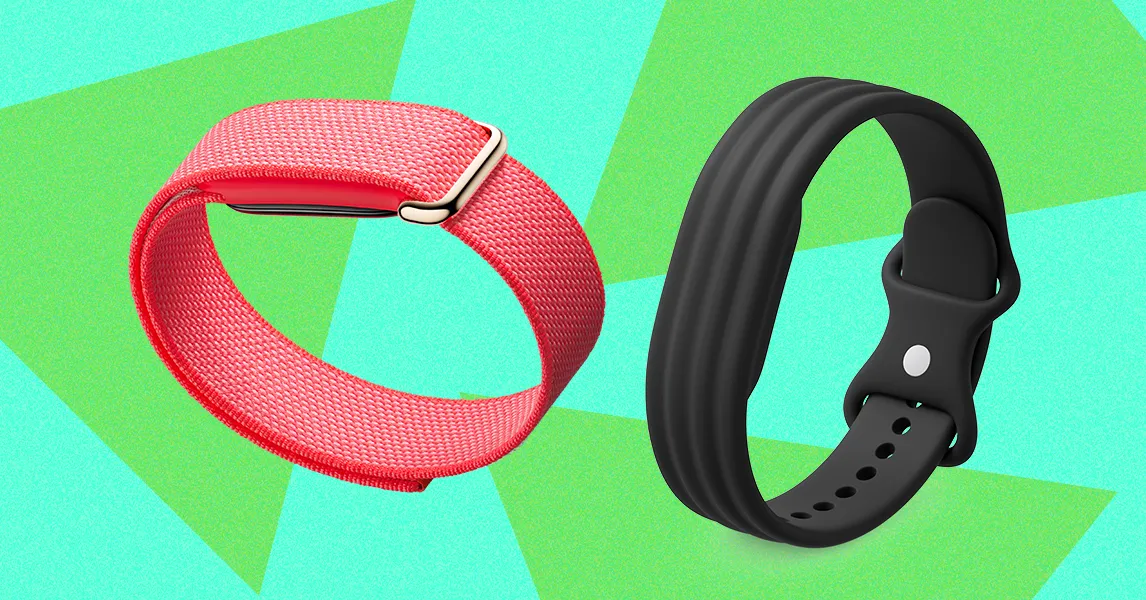
Google has officially released the Fitbit Air, an entry-level, screenless wearable fitness tracker priced at $100. The device features no display or haptic button, relying instead on the Google Health app and Gemini-powered Health Coach for data visualisation and personalised guidance. It includes sensors for heart rate, temperature, and motion, offering sleep tracking and irregular heart rhythm notifications. The launch coincides with the rebranding of the Fitbit app to Google Health and the introduction of a subscription service, Google Health Premium, for advanced coaching features.
Designed as a slim oval device, the Fitbit Air is intended to be 20 per cent lighter than the discontinued Fitbit Luxe, weighing just 12 grams with a band attached. It utilises interchangeable bands, including a recycled Performance Loop, a sweat-proof Active Band, and a fashion-forward Elevated Modern Band. A special-edition band featuring NBA champion Stephen Curry is also available, with the athlete acting as a performance adviser for the Health Coach.
The hardware serves primarily as a data collector within Google's expanding health software ecosystem. While basic tracking remains free, advanced features like the Health Coach and adaptive fitness plans require a subscription to Google Health Premium, currently priced at $10 per month or $100 per year. However, three months of the premium service are included free with the purchase of the Air.
Functionally, the device retains the breadth of tracking capabilities found in more advanced models, such as the Charge 6. It offers 24/7 heart rate tracking, including irregular heart rhythm notifications that can flag potential signs of atrial fibrillation, alongside heart rate variability insights. Sleep tracking has also received a modest upgrade, with the system now powered by Google's Gemini and claimed to be 15 per cent more accurate at capturing interruptions and transitions between sleep stages.
Compatibility is currently restricted to the Google and Fitbit ecosystems. The device pairs with the Pixel Watch and existing Fitbit hardware, allowing users to wear them simultaneously or switch between them as data syncs automatically. Google intends to expand support to a wider array of devices later in the year, though major competitors like Garmin or Whoop are not supported at launch.
The new Google Health app rolls out on 19 May, with the Fitbit Air available for preorder now and launching for purchase on 26 May. This launch marks Google's first new hardware device since acquiring Fitbit in 2021, representing a significant consolidation of its health offerings into a unified platform.
