Google launches Fitbit Air as entry-level health tracker amid AI integration
The device sits below the premium Pixel Watch while the standalone Fitbit app ceases operations next year as accounts migrate to Google Health
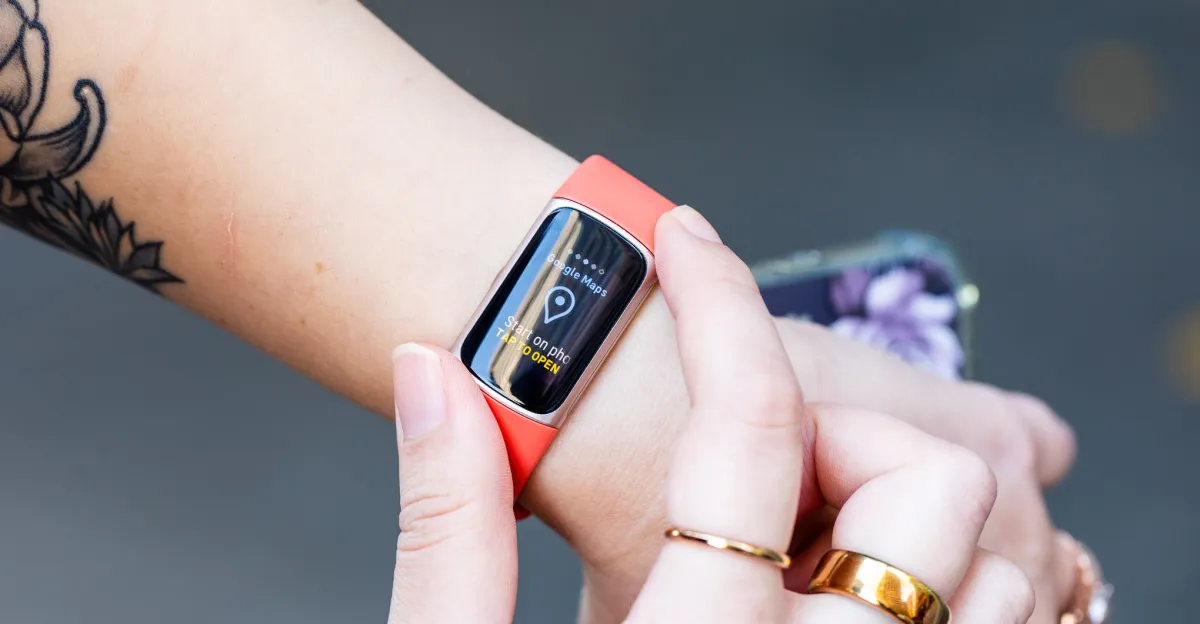
Google has announced the Fitbit Air, a screenless fitness band designed to offer simple, affordable health tracking as an entry-level alternative to the premium, Android-only Pixel Watch. The launch is part of a broader strategy to combat "wearable data fatigue" by pairing the hardware with the new Google Health Coach, a generative AI tool intended to simplify complex health metrics into personalised insights. Concurrently, the standalone Fitbit app is scheduled to be discontinued on 19 May 2026, with user accounts migrating to the Google Health ecosystem.
The Fitbit Air is positioned as an entry-level device compatible with both iOS and Android, distinguishing it from the Pixel Watch which is restricted to Android users. This dual-platform approach marks a shift from previous iterations where Fitbit watches had their features nerfed to compete directly with Google's own smartwatch line. Google executives, including Vice President Rishi Chandra, have clarified that the brand split between Fitbit for the mass market and Pixel Watch for premium Android users will continue despite the deeper integration.
The introduction of the Google Health Coach represents a significant pivot in the company's approach to wearable data. Utilising generative AI, the tool is being introduced alongside the hardware to parse health data and deliver simplified, personalised advice. This move signals a transition from simple data logging to AI-driven analysis, addressing the fragmented nature of health data storage and the overwhelming number of biomarkers users must currently track manually.
This launch coincides with the final phase of the migration from Fitbit accounts to Google Health accounts. Since Google acquired Fitbit in 2021, the company has gradually integrated products and features, leading to the sunsetting of standalone applications and social features. The green-and-white Fitbit icon will be replaced by a multicoloured heart icon for Google Health on 19 May 2026, marking the end of the standalone app era.
The decision to return to a screenless design reflects a growing market trend towards comfort and reduced notification overload. As wearable companies increasingly embed AI into devices, the imperative is for users to wear them with as few breaks as possible. The Fitbit Air aims to serve those who find current wearables too bulky, complicated, and expensive, offering a lightweight solution that focuses on basic tracking without the constant connectivity of a smartwatch.
While the hardware returns to Fitbit's roots of accessibility, the underlying software landscape has fundamentally changed. The new ecosystem relies on generative AI to interpret data, a capability that was absent in the original Fitbit trackers used for conditions like PCOS or documenting life events. Google views this as a necessary evolution to provide actionable insights, even as the company acknowledges that the simplicity of the past is difficult to replicate in an age of advanced data collection.
