Google I/O 2026: The Verge reports on unified AI search strategy
New features including information agents, a universal cart, and Gemini Omni models signal a shift from search to action, raising concerns about user autonomy and publisher revenue.
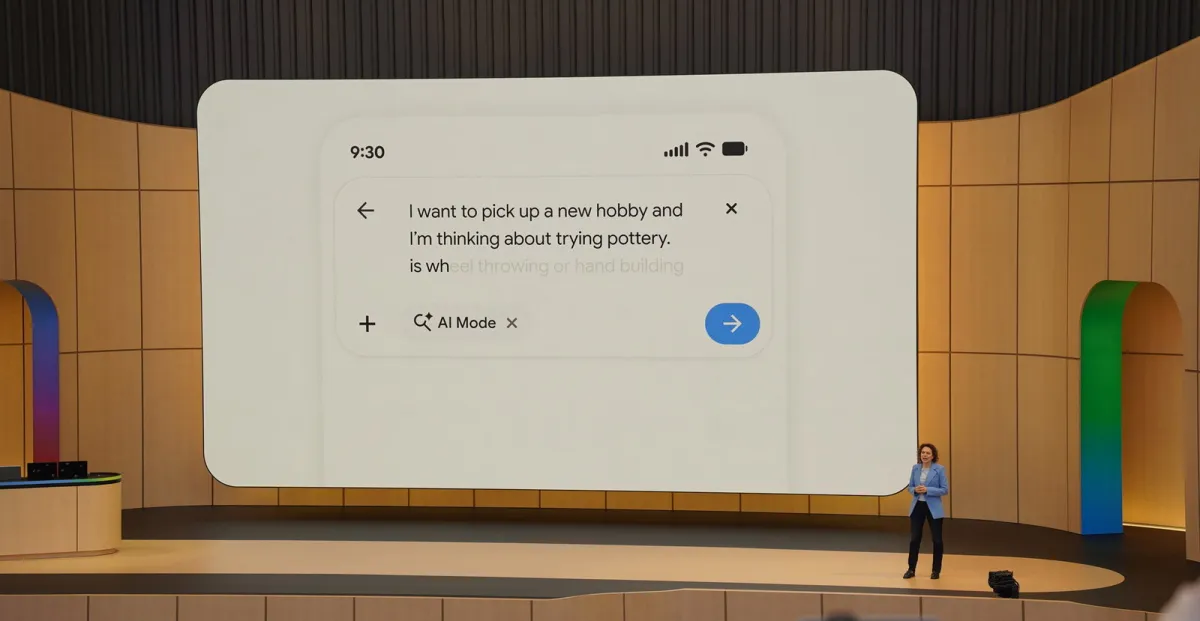
At Google I/O 2026, the company unveiled a strategic pivot towards a unified, AI-driven search interface that integrates Google Search, Gemini, Gmail, and YouTube. According to coverage by The Verge, the tech giant is moving beyond traditional search to create a single interface capable of executing tasks across its ecosystem. This shift aims to consolidate user interactions into one dynamic search bar, fundamentally altering how users access information and services.
The redesigned search bar will dynamically expand as users type longer queries, offering AI-powered suggestions that go beyond standard autocomplete. While Google claims these suggestions are helpful, The Verge notes they may fill in search blanks in ways users did not intend, potentially affecting search outcomes. The interface will also feature personalised, custom UI elements, including interactive visuals and graphs generated directly within the results page, replacing traditional lists of links with tailored content.
New capabilities include "information agents," which allow users to track specific interests such as stock markets, flight prices, or sports teams using natural language prompts. These agents are scheduled for an initial launch this summer, limited to Google AI Pro and Ultra subscribers in the United States. Additionally, a "Universal Cart" feature aims to consolidate shopping lists across Search, Gemini, Gmail, and YouTube, utilising Google’s payment infrastructure for a unified checkout experience.
Gemini received significant upgrades, including a "Daily Brief" that aggregates information from across Google apps to provide a daily summary, and "Gemini Spark" for creating custom agents. The company also demonstrated new Gemini Omni models capable of generating video and other media from various prompts, with a long-term goal to "create anything." YouTube is similarly testing an AI Mode-like experience that presents search results as a curated page rather than a list of videos.
The Verge’s analysis suggests that while this consolidation offers convenience, it poses risks to the open web and user autonomy. The publication argues that if Google Search stops sending traffic to publishers and YouTube’s AI features reduce video browsing, the ecosystem that supports content creators and journalists could collapse. The report concludes that the move towards a universal search box may undermine the user’s ability to manage their own digital systems and the economic viability of the web.
