Google I/O 2026: Gemini 3.5, Autonomous Agents, and Android XR Hardware Unveiled
At its annual developer conference, Google announced the Gemini 3.5 model family, a new Omni series for multi-modal video, and updated smart glasses from Xreal, Warby Parker, and Gentle Monster.
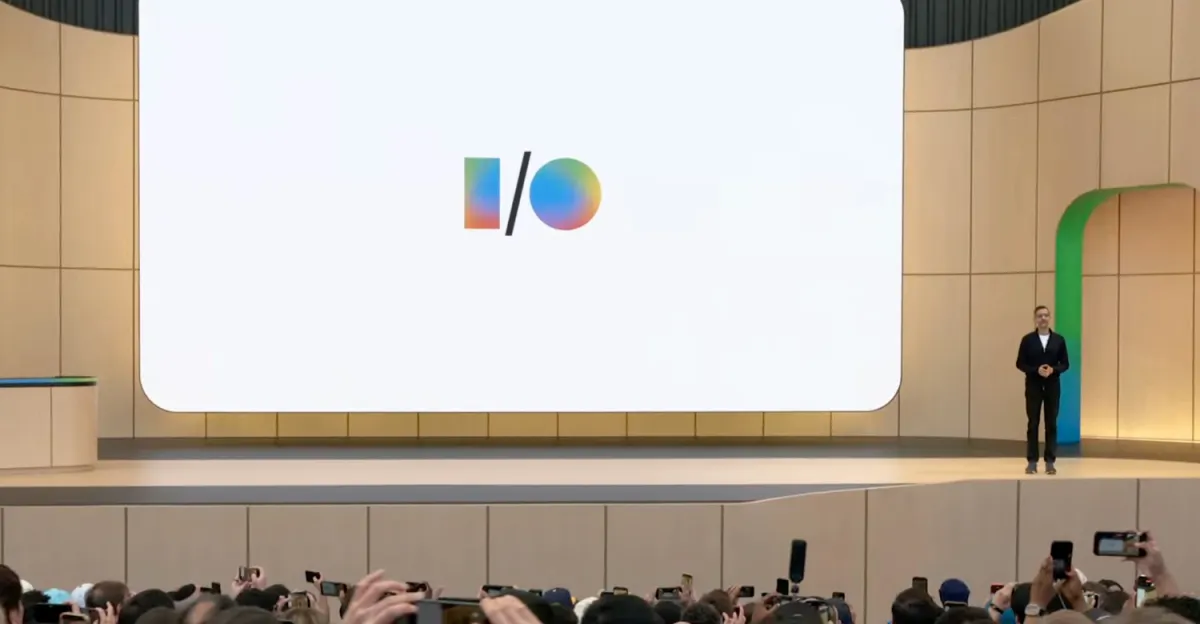
Google held its annual I/O 2026 developer conference, unveiling a suite of artificial intelligence and hardware updates. Key announcements include the Gemini 3.5 model family (Flash and Pro) and the new Gemini Omni series, which supports multi-modal video generation. Google introduced Gemini Spark, an always-on AI agent for Workspace, and 'vibe-coding' tools for native Android app development. Hardware reveals included updated Project Aura smart glasses with Xreal, plus new audio-only Android XR glasses from Warby Parker and Gentle Monster. Software updates featured a 'Universal Cart' for cross-platform shopping, AI-driven search enhancements, and a redesigned Gmail search. Google also restructured its AI Ultra subscription pricing, lowering the entry tier to $100 per month, and expanded AI detection tools via SynthID.
The launch of Gemini 3.5 Flash marks a strategic pivot for the technology giant, moving away from positioning AI primarily as a conversational tool towards developing autonomous agents capable of planning, building, and iterating on complex work with minimal human input. Gemini 3.5 Flash is significantly faster, better at handling agentic tasks, and offers improved agentic coding capabilities. It also generates richer, more interactive web UIs and graphics. Gemini 3.5 Pro will follow next month. Alongside the model release, Google is launching a redesign for the Gemini app, featuring new animations, pops of color, a new font, and haptic feedback.
Google is also launching an entirely new family of AI models called Gemini Omni. The first, Omni Flash, is rolling out starting today in the Gemini app, Google Flow, and YouTube Shorts. At launch, Omni Flash will be able to generate video clips from prompts that include a variety of inputs including text, photos, video, and audio. Unlike Google’s Veo model, which is only text to video, Omni Flash accepts multiple input types. Down the line, Google says Omni will be able to create anything from any input.
In the hardware space, Google showed off an updated version of its Project Aura smart glasses, which it is collaborating on with Xreal. The external compute puck for the glasses has been redesigned, and a fingerprint sensor has been added to it. Along with Project Aura, two new pairs of Android XR smart glasses are launching this fall, one from Warby Parker and one from Gentle Monster. Similar to the base Ray-Ban Meta smart glasses, these will be audio-only with no display. They will support features like live translation, navigation assistance with Gemini, and notification summaries.
Google also restructured its AI Ultra subscription pricing, lowering the entry tier to $100 per month. Previously, the premium AI Ultra subscription cost $249.99 per month. The new $100 per month tier matches OpenAI’s pricing structure, while a $200 per month option includes access to Google’s Project Genie. Additionally, Google is expanding its AI detection tools to Chrome and Search. Starting today, uploading or selecting online images with Search can reveal more details about how or where the image was created using Google’s SynthID watermarking technology and C2PA Content Credentials.
