Google introduces selfie video authentication for account recovery
The tech giant expands its facial recognition toolkit with a video-based login method designed to prevent deepfake impersonation, though availability remains restricted for enterprise and high-security accounts.
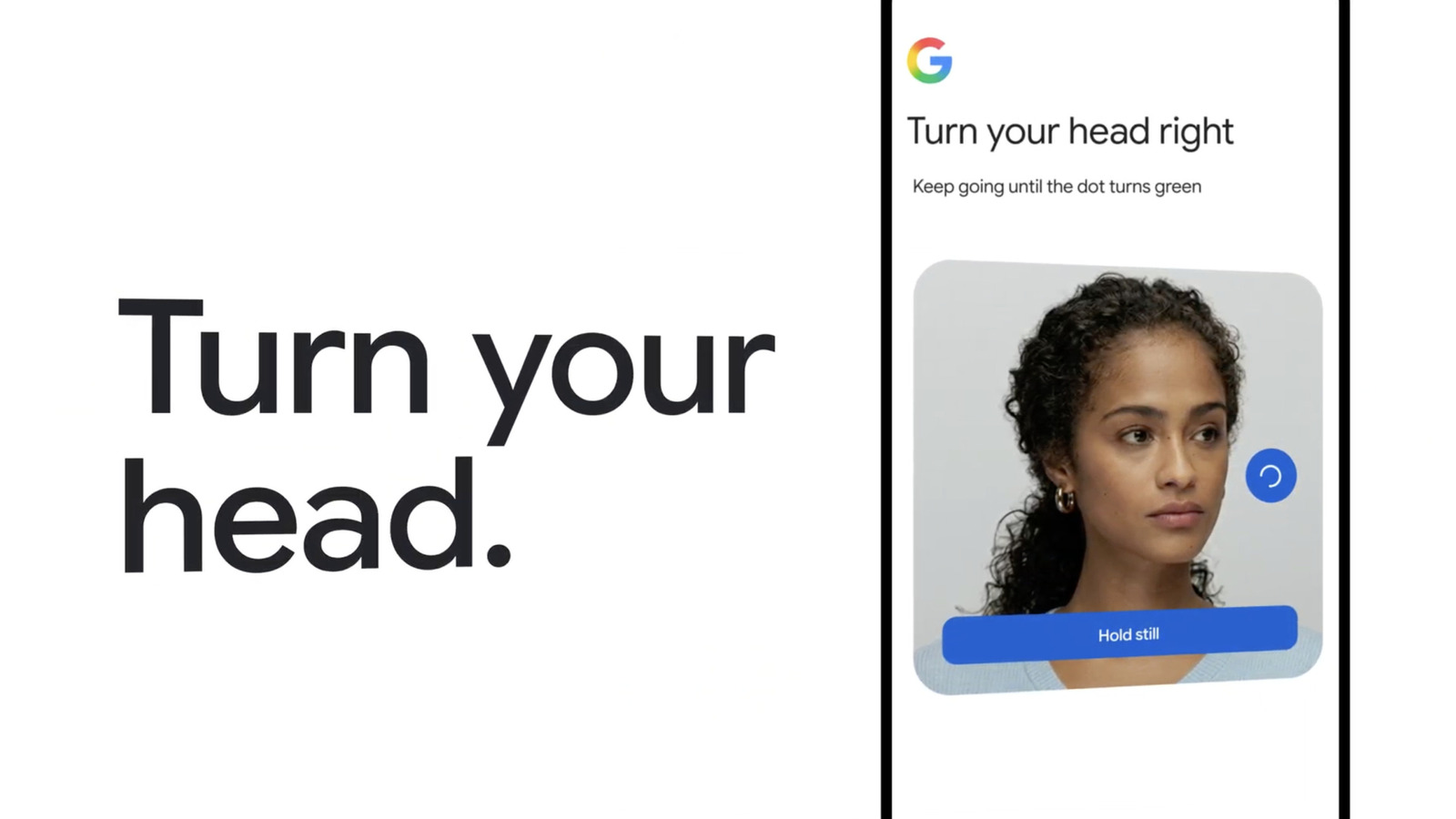
Google has expanded its biometric authentication capabilities by introducing a new login method that allows users to access their accounts via a recorded selfie video. The feature, described by the company as a "spare key," is designed to assist individuals who are locked out of their accounts or lack access to their primary devices, passkeys, or two-factor authentication apps. This addition follows existing protocols that permit login via phone face unlock or biometric passkeys.
To verify identity and mitigate the risk of impersonation attempts, such as deepfake videos, users must record a video of themselves turning their head in specific ways. The process is intended to prove the user is currently in front of the camera. Google advises users to remove glasses or masks and avoid busy backdrops or other people during the recording to ensure accurate verification.
Setup is conducted through the Google My Account security settings under the "How you sign in to Google" section. Users with a computer camera can complete the process directly, while those without one can scan a QR code using a mobile device. The entire setup takes less than five minutes and is available globally in phases, with eligibility checkable at g.co/signin-selfie.
Data privacy remains a central component of the rollout. Google states that it encrypts the saved selfie video and uses it solely for sign-in comparison. Users retain the option to delete their video data at any time via the Video Verification page. Additionally, the feature is opt-in regarding data usage; users can choose whether to allow their selfie video data to be used for training facial recognition and age estimation models.
The service is currently unavailable for Google Workspace accounts, child accounts, and users enrolled in the Advanced Protection Program. Furthermore, the feature cannot be added while a user is already locked out or in the middle of an account recovery process. The exact timeline for the full global phased rollout has not been specified.
