Google introduces 'Continue On' in Android 17 to rival Apple’s ecosystem
The Android 17 Release Candidate 1 build includes the initial unidirectional handoff capability, with bidirectional support deferred to a future update.
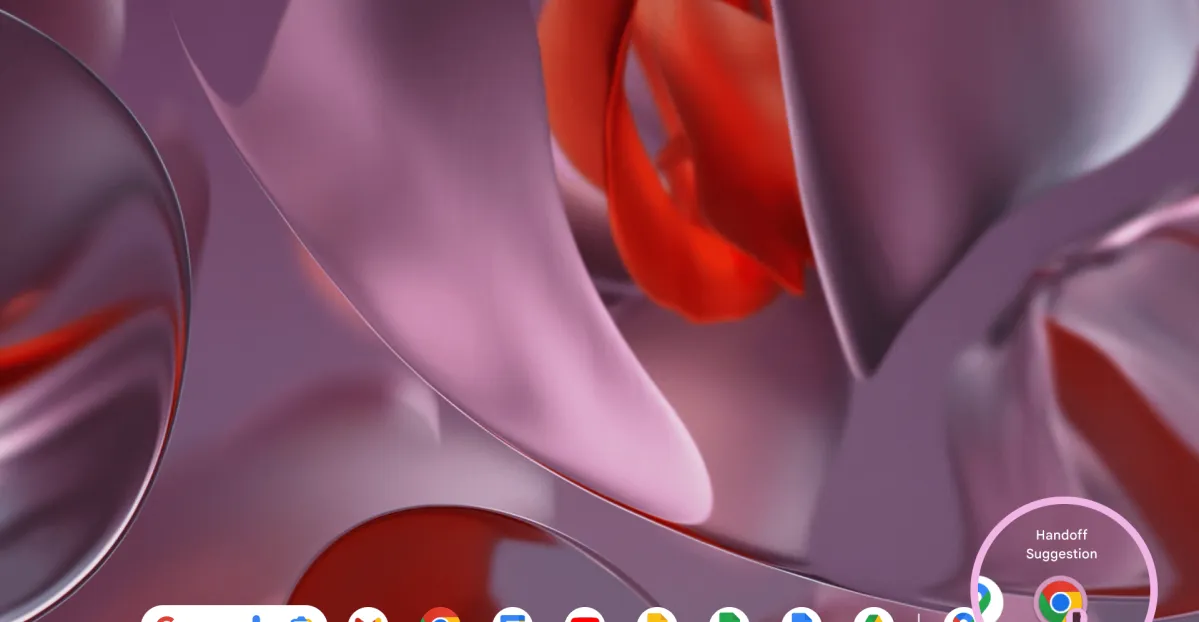
Google has introduced a new interoperability feature in Android 17 called 'Continue On', designed to enable users to initiate tasks on a smartphone and resume them on a compatible tablet. The functionality mirrors Apple’s Handoff service, aiming to bridge the gap between mobile and tablet experiences within the Android ecosystem.
Upon launch, the feature supports unidirectional task transfer, allowing data to move only from a smartphone to a tablet. Google has indicated that bidirectional support, which would enable tasks to flow from tablet to phone, is planned for a later update, though no specific timeline has been provided.
Android tablet users will encounter a 'Continue On' icon in the device dock, which suggests the most recently used application from their paired smartphone, provided the app is also installed on the tablet. This interface element serves as the primary entry point for the continuity feature.
The system is engineered to facilitate seamless workflow transitions. Depending on the context, it can directly open documents or emails that were active on the phone, or redirect the tablet’s web browser to the specific page required to continue a web-based task.
Testing for the 'Continue On' feature is currently available in the Android 17 Release Candidate 1 (RC1) build. Google has not yet disclosed the exact release date for this build, nor has it detailed the full list of applications and services that will initially support the functionality.
This announcement follows the recent introduction of Android-powered Googlebook laptops, signalling a broader push toward wider Android interoperability. The move suggests Google is targeting the level of inter-device coordination that has historically been a stronghold for Apple.
