Google Images pivots to discovery model with Pinterest-style overhaul and AI generation
The redesign introduces personalised “For You” feeds and user collections, aiming to extend engagement and retain image creation within Google’s ecosystem rather than ceding ground to third-party services.
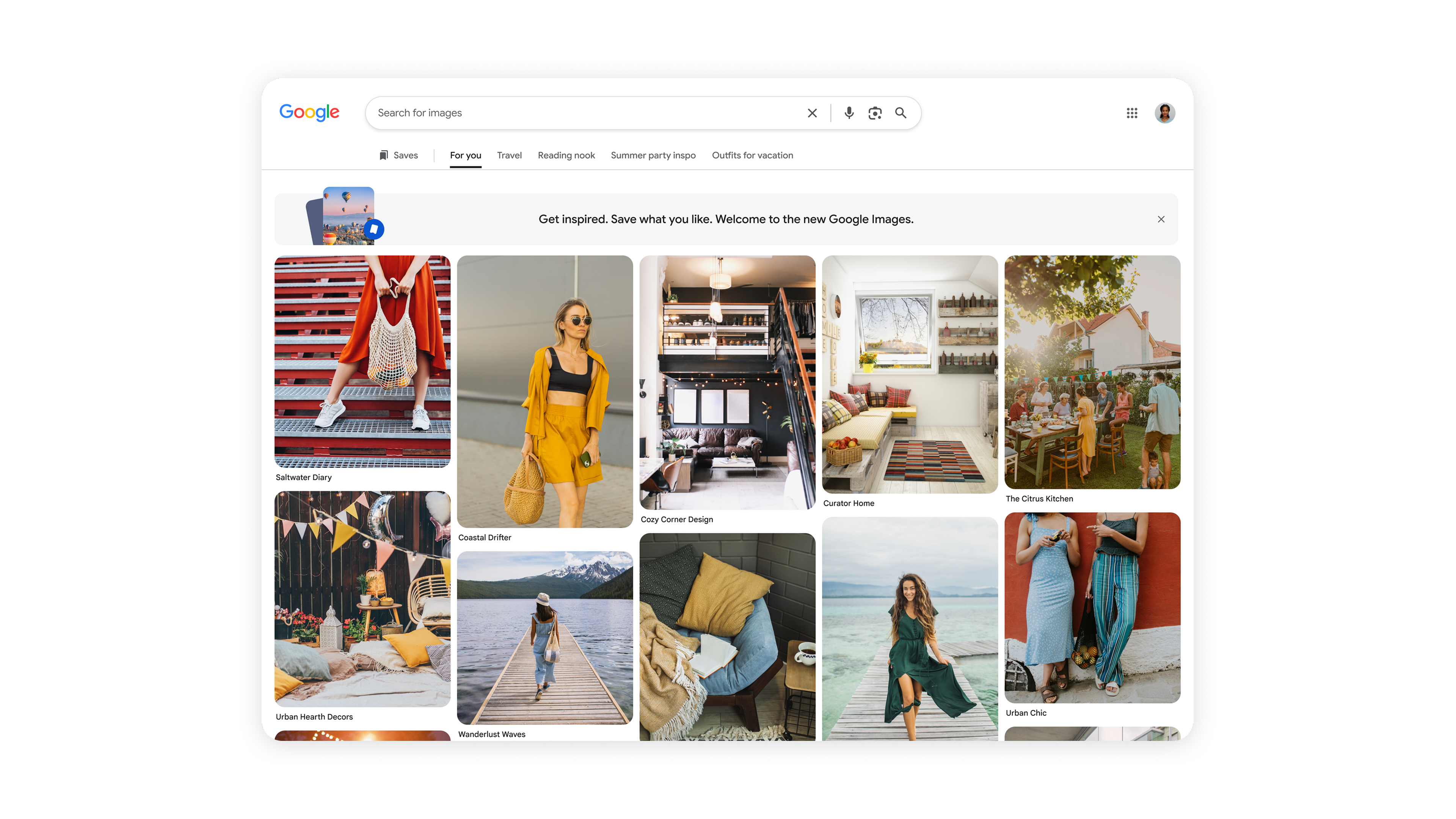
Google has initiated a significant restructuring of Google Images, transforming the platform from a conventional search utility into a dynamic, browsable gallery focused on visual discovery. Celebrating the service’s 25th anniversary, the tech giant is adopting a user experience model closely mirroring that of Pinterest, designed to encourage prolonged engagement and inspire users through curated visual content rather than simple query results.
The core of this update is a personalised “For You” gallery that tailors imagery to individual user interests and browsing history. This feed operates in real time, continuously updating with new images as users scroll. To facilitate organisation, Google has introduced “collections,” allowing users to save specific ideas into dedicated tabs above the main gallery. These collections are intended for practical inspiration, such as vacation outfit planning, travel concepts, or interior design ideas like a coastal-themed dorm room.
In a strategic move to keep users within its digital ecosystem, Google is also integrating AI image generation directly into Search AI Overviews. Utilising its latest Nano Banana model, the feature enables users to generate custom visuals from text prompts for concepts that do not currently exist online. This capability allows for the visualisation of specific scenarios, such as reimagining a room with different paint colours, reducing the need to visit external generative AI services.
The rollout strategy is phased and geographically specific. The visual redesign is currently being deployed on desktop devices in the United States for English-language users, requiring a signed-in Google Account to access the new features. The AI image generation component will follow a similar trajectory, expanding over the coming weeks to all regions that currently support image creation in AI Mode, provided the interface is in English.
Analysts note that the shift towards a discovery-based model aligns with broader industry trends to increase time spent on platforms, thereby boosting advertising revenue. By offering both inspiration and creation tools under one roof, Google aims to solidify its position as a primary destination for visual content, countering the influence of competitors like Pinterest and third-party generative AI tools.
