Google Home integrates Gemini 3.1 voice assistant and enhanced camera controls
The latest update brings improved voice command interpretation and refined facial recognition to Google's smart home devices, though key AI tools are restricted to paying subscribers.
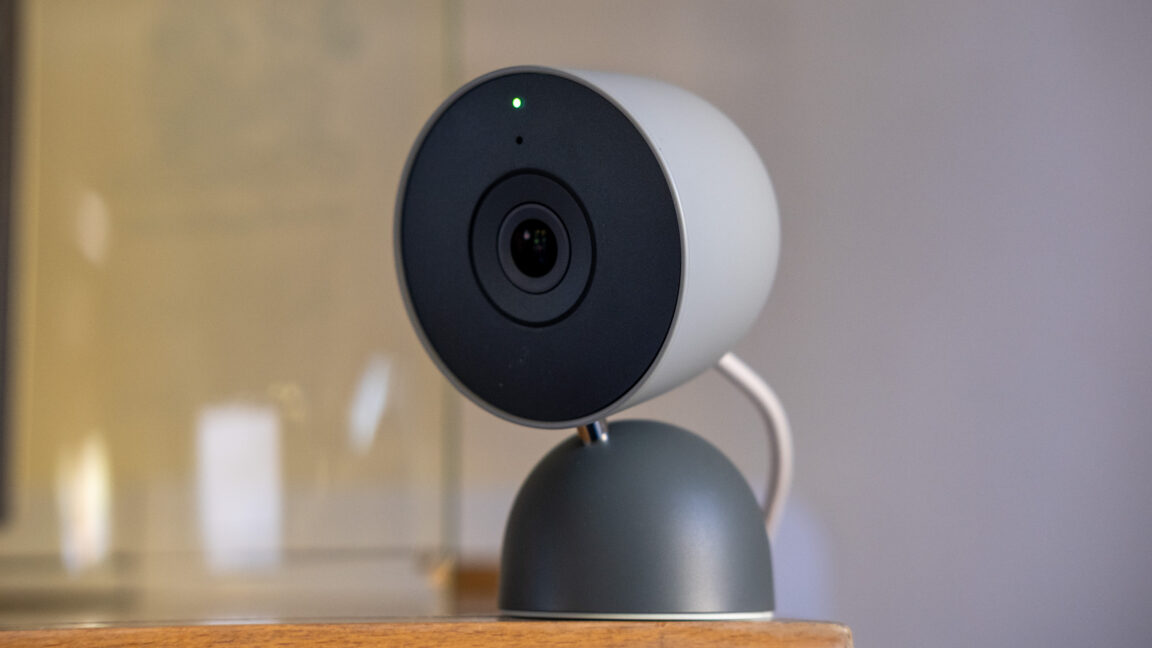
Google has announced a significant update to its Google Home ecosystem, introducing the Gemini 3.1 large language model to power the voice assistant on smart speakers. The company states that this integration leverages the model's advanced reasoning to better interpret and execute complex, multi-step voice commands. While the underlying AI model used for analysing camera footage is not being upgraded to Gemini 3.1, the voice assistant component now benefits from the new architecture, which Google claims offers gains in parsing big, complex prompts.
Concurrent with the voice assistant upgrade, the update expands camera control features to address previous friction points in the user experience. Timeline navigation has been improved with a higher frame rate for scrubbing through video, alongside the introduction of simple skip buttons that advance or rewind footage by ten-second intervals. Users can also utilise new swipe controls to switch between timeline and event views and resize the player window, aiming to make reviewing security footage more intuitive.
Facial recognition accuracy has been refined through the addition of thumbs up and down feedback buttons, allowing users to correct the system's identification of familiar faces over time. The system now automatically ignores blurry or obscured images to prevent false alerts, while AI event descriptions have been streamlined to be simpler and less cluttered. Google notes that these changes are designed to reduce mislabelling, such as incorrect notifications identifying animals inside a home.
However, the rollout of these advanced capabilities introduces a tiered experience for users. The Ask Home chatbot feature, which allows for conversational management of camera history and the creation of automations, is expanding to the Home web interface but remains exclusive to paying subscribers with extended footage. Similarly, the streamlined AI event descriptions and specific automation options are currently unavailable to free-tier profiles, creating a disparity in access to critical home security management tools.
This move mirrors broader industry trends as tech giants expand premium AI features across their hardware ecosystems. Following Amazon's recent integration of Alexa+ features on third-party devices like Bose speakers, Google is solidifying its position by offering enhanced reasoning and management tools, albeit with a paywall for the most sophisticated functionalities. The update represents a shift toward more capable smart home interactions, though the reliance on paid subscriptions for full access to AI-driven insights remains a defining characteristic of the new feature set.
