Google Home app overhaul introduces Gemini-powered camera filtering and voice assistant upgrades
Google has released a significant update to its Google Home app, integrating Gemini AI to enhance both camera monitoring and voice assistant capabilities through a refreshed interface and granular controls.
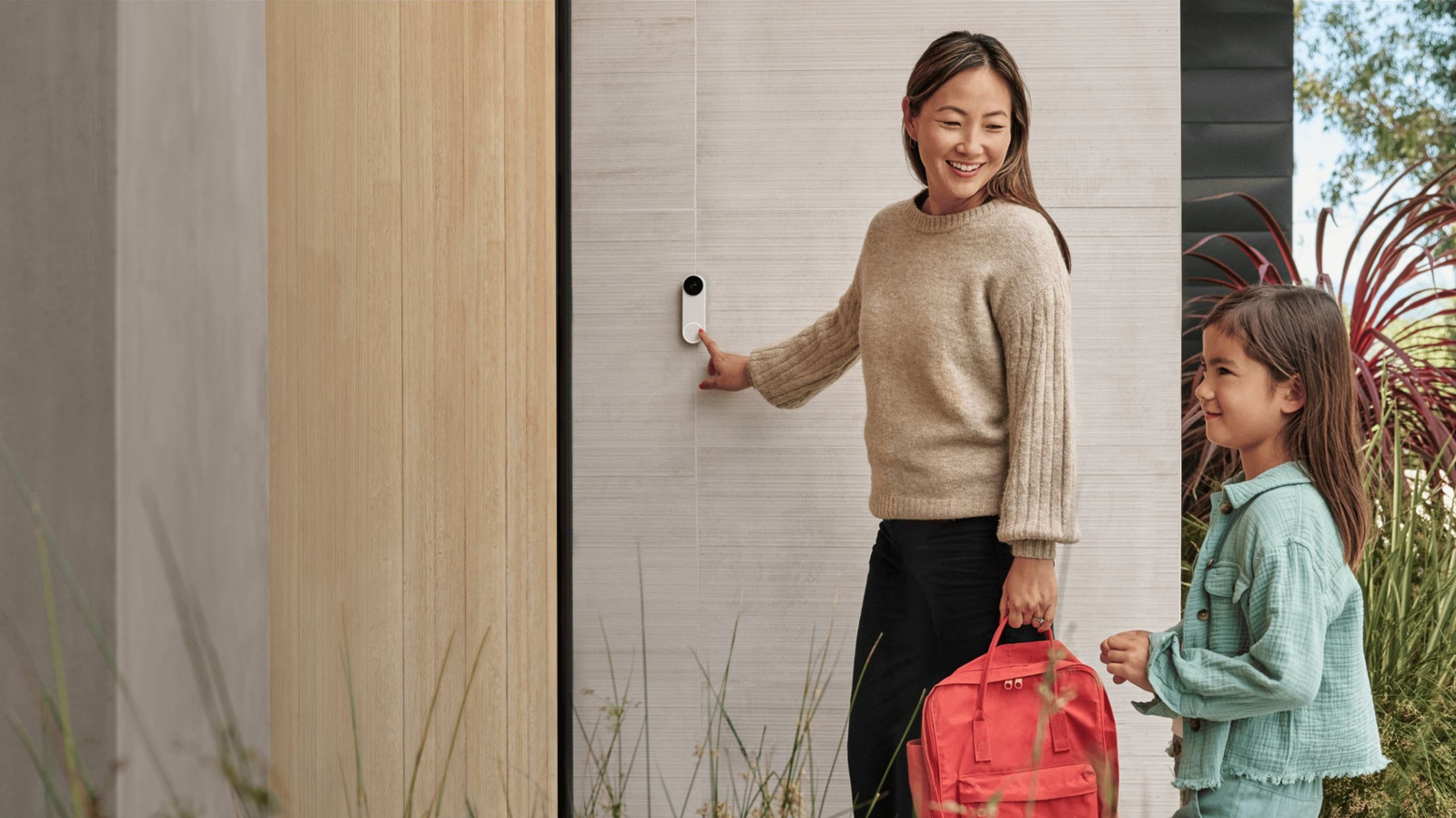
Google has released a major update to the Google Home app, integrating Gemini AI to enhance both camera monitoring and voice assistant capabilities. The update focuses on improving user experience through a refreshed interface, animated thumbnails, and granular video controls like 10-second skip intervals. Crucially, it introduces AI-driven filtering for camera events, such as "Person seen" or "Glass break heard," and allows Premium subscribers to view event descriptions directly in the timeline. Simultaneously, the Gemini for Home voice assistant has been upgraded to version 3.1, offering improved multi-step command handling and fixes for recurring alarm settings.
To further refine facial recognition accuracy, the system now automatically filters low-quality captures and includes a user feedback loop via thumbs-up/down buttons. These camera and UI improvements are also rolling out to older-generation Nest cameras, ensuring that users with legacy hardware can access the same streamlined experience as those with newer devices. The changes aim to reduce friction in timeline navigation and provide a broader picture of what cameras capture without requiring constant manual scrubbing.
The Google Home app update includes animated thumbnail previews that focus on subjects to aid quick identification of events. Users can now filter camera events by specific categories like "Person seen" or "Glass break heard," allowing for more targeted monitoring of their properties. Google Home Premium subscribers gain access to event descriptions within the timeline view, providing context directly where the footage is reviewed. New camera controls allow skipping recordings in 10-second intervals and resizing the video player via the control bar, addressing previous pain points in video management.
Facial recognition accuracy has been refined through the addition of thumbs up and down feedback buttons, allowing users to correct the system's identification of familiar faces over time. The system now automatically ignores blurry or obscured images to prevent false alerts, while AI event descriptions have been streamlined to be simpler and less cluttered. Google notes that these changes are designed to reduce misidentification errors and maintain a cleaner library of recognised faces.
Concurrent with the voice assistant upgrade, the update expands camera control features to address previous friction points in the user experience. Timeline navigation has been improved with a higher frame rate for scrubbing through video, alongside the introduction of simple skip buttons that advance or rewind footage by ten-second intervals. Users can also utilise new swipe controls to switch between the timeline and events, ensuring a smoother interaction flow when reviewing security footage.
The integration of Gemini 3.1 represents a shift towards more complex, conversational AI capabilities within the home environment, moving beyond simple commands to multi-step task execution. The updated assistant can now combine different tasks, such as adding new items and updating existing lists in one breath, and has a better handle on identifying similar list names to help prevent duplicates. Google has also resolved issues with mixing up AM/PM when setting an alarm, ensuring that basic scheduling functions operate with greater reliability.
These advanced capabilities introduce a tiered experience for users, as certain features like Ask Home chatbot and streamlined AI event descriptions remain exclusive to paying subscribers with extended footage. However, the core improvements to camera filtering, video controls, and the underlying AI models are being rolled out broadly to enhance the overall utility of the smart home ecosystem. As the technology matures, the focus remains on delivering a more intuitive and accurate interface for managing home security and automation.