Google extends Gemini AI integration to Chrome users in the UK
The update brings tab access, service integration, and summarisation tools to a wider audience, marking the latest step in Google’s strategy to embed artificial intelligence into everyday browsing.
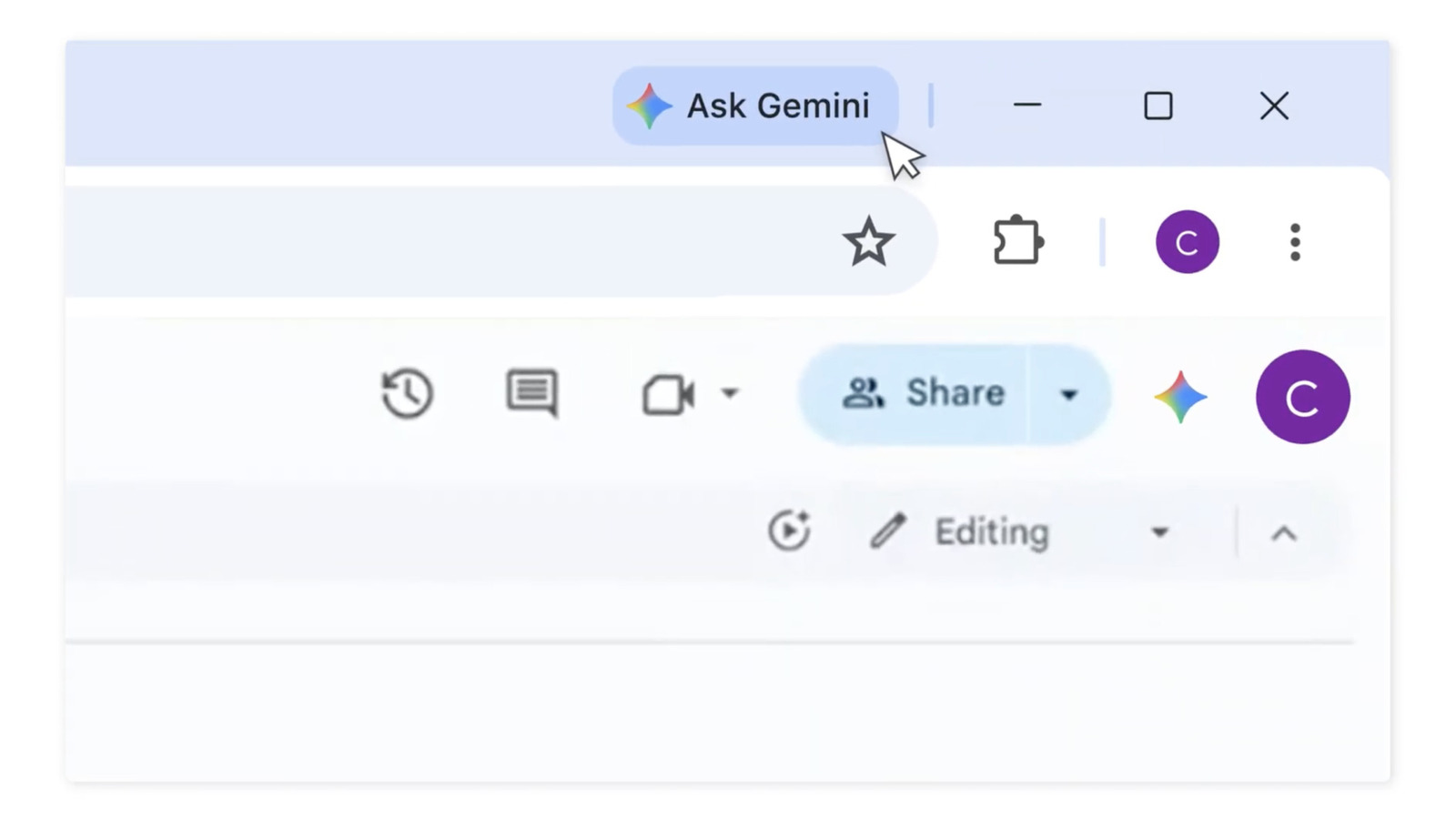
Google has officially extended its Gemini integration for the Chrome browser to users in the United Kingdom, introducing an "Ask Gemini" button identifiable by a sparkle icon in the top right corner of the interface. This development marks a significant expansion of the feature beyond its initial launch in the United States, where it was previously restricted to premium AI Pro or AI Ultra subscribers. The move aligns with Google’s broader strategy to embed artificial intelligence assistants directly into web browsers, following a rollout that has already reached over 50 countries globally.
The integration allows the Gemini assistant to access open tabs to provide context-aware responses, with Google noting that the content and URL of the current tab are shared in new chats to ensure relevance. Users can utilise the tool to summarise lengthy content opened in their browser and compare information across multiple open tabs simultaneously. The feature also includes deep integration with core Google services, including Gmail, Maps, Calendar, and YouTube, enabling actions such as checking locations, adding calendar events, and drafting emails without leaving the browser environment.
In addition to text-based interactions, the update includes "Nano Banana," described in source material as Google's in-house image generator, which is accessible via the sidebar. This addition provides users with direct access to generative image tools within the browser interface. The rollout follows a phased global expansion strategy, with the feature becoming widely available on desktop in the United States in late 2025 before spreading to regions including Latin America, the Middle East, Canada, India, and New Zealand.
While the integration aims to streamline workflows, Google acknowledges that the feature may not suit all users. To address this, the company has provided a mechanism for users to customise their interface. Those who prefer not to use the feature can remove the button by right-clicking it and selecting 'Unpin', effectively clearing it from the browser interface. This flexibility is designed to accommodate varying user preferences regarding AI assistance in their daily browsing activities.
The expansion into the UK market underscores the increasing competition among technology firms to establish their AI assistants as standard components of digital infrastructure. By making these tools accessible to a wider audience in the UK, Google is positioning Gemini as a central utility for web navigation. The update represents a continued shift in how users interact with online content, with AI-driven summarisation and service integration becoming more prevalent in mainstream browsers.
