Google DeepMind’s WeatherNext 3 brings live satellite data to AI weather forecasting
The new model offers a five-kilometre grid resolution and improved precipitation accuracy, with specific implications for renewable energy output.
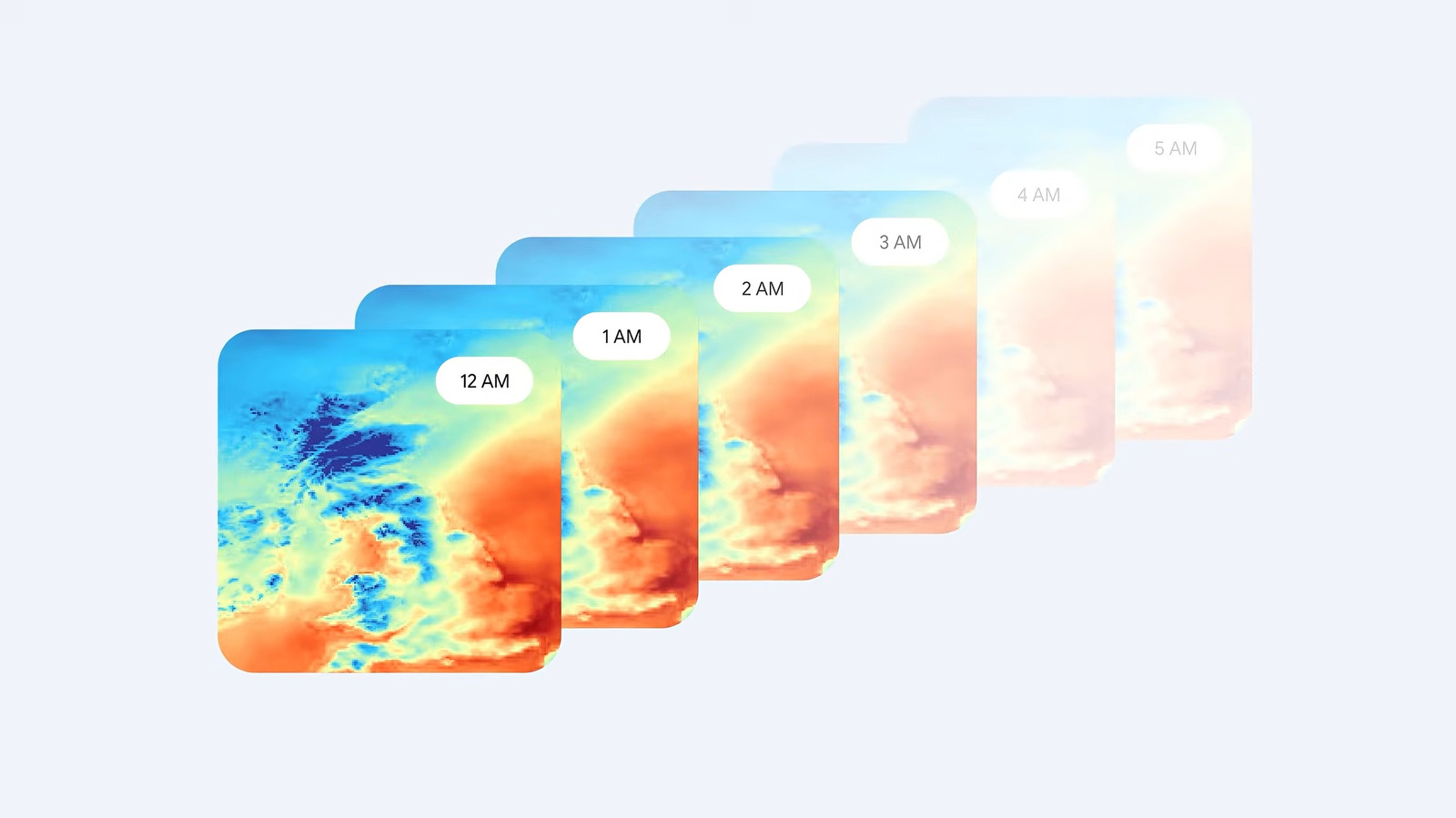
Google DeepMind has released WeatherNext 3, an updated artificial intelligence weather model that shifts the focus of meteorological forecasting towards live satellite data. The release marks a significant technical upgrade from its predecessor, WeatherNext 2, which relied primarily on numerical weather prediction models that typically carried a six-hour lag. By incorporating live satellite data, the new model provides a continuously updating view of the atmosphere, allowing for more immediate and detailed environmental assessments.
A key differentiator for WeatherNext 3 is its resolution. The model operates on a five-kilometre square grid, a substantial improvement over the 25-kilometre grid used by the previous iteration. This higher resolution enables the model to generate hourly forecasts with greater precision for variables such as temperature, moisture, and wind speed. The increased granularity is particularly relevant for sectors that require granular data to manage operational variables in real time.
The model is designed to be especially useful for companies involved in renewable energy production. It forecasts 100-metre wind speeds, which are roughly at turbine height, to assist with precise wind-energy output calculations. Additionally, it provides high-resolution data on cloud cover and sun radiation levels to help solar farms optimise their operations. By ingesting sparse weather station data, the model can also offer more detailed forecasts for variables like humidity, which can vary significantly over short distances.
Precipitation forecasting has also seen a marked improvement. By combining data from NASA and Google’s own satellite analysis, WeatherNext 3 delivers up to 50 per cent more accurate predictions for rain and snow. DeepMind notes that the greatest improvements are seen in regions where forecasts have historically been less reliable, suggesting the model may help stabilise expectations in areas with volatile weather patterns.
The new model will power weather features across several of Google’s major platforms, including Google Search, the Gemini app, Google Maps, the Google Maps Weather API, and the Google Earth Engine. For developers and researchers looking to build on the technology, the original WeatherNext model has been designated as open-source as of August 2026. Users can also experiment with the new capabilities directly through the Google Weather Lab.