Google commits to largest US solar and battery project in Arkansas
The tech giant’s investment in hybrid renewable infrastructure supports its hourly clean energy matching goals, while rival xAI faces scrutiny over nearby natural gas operations.
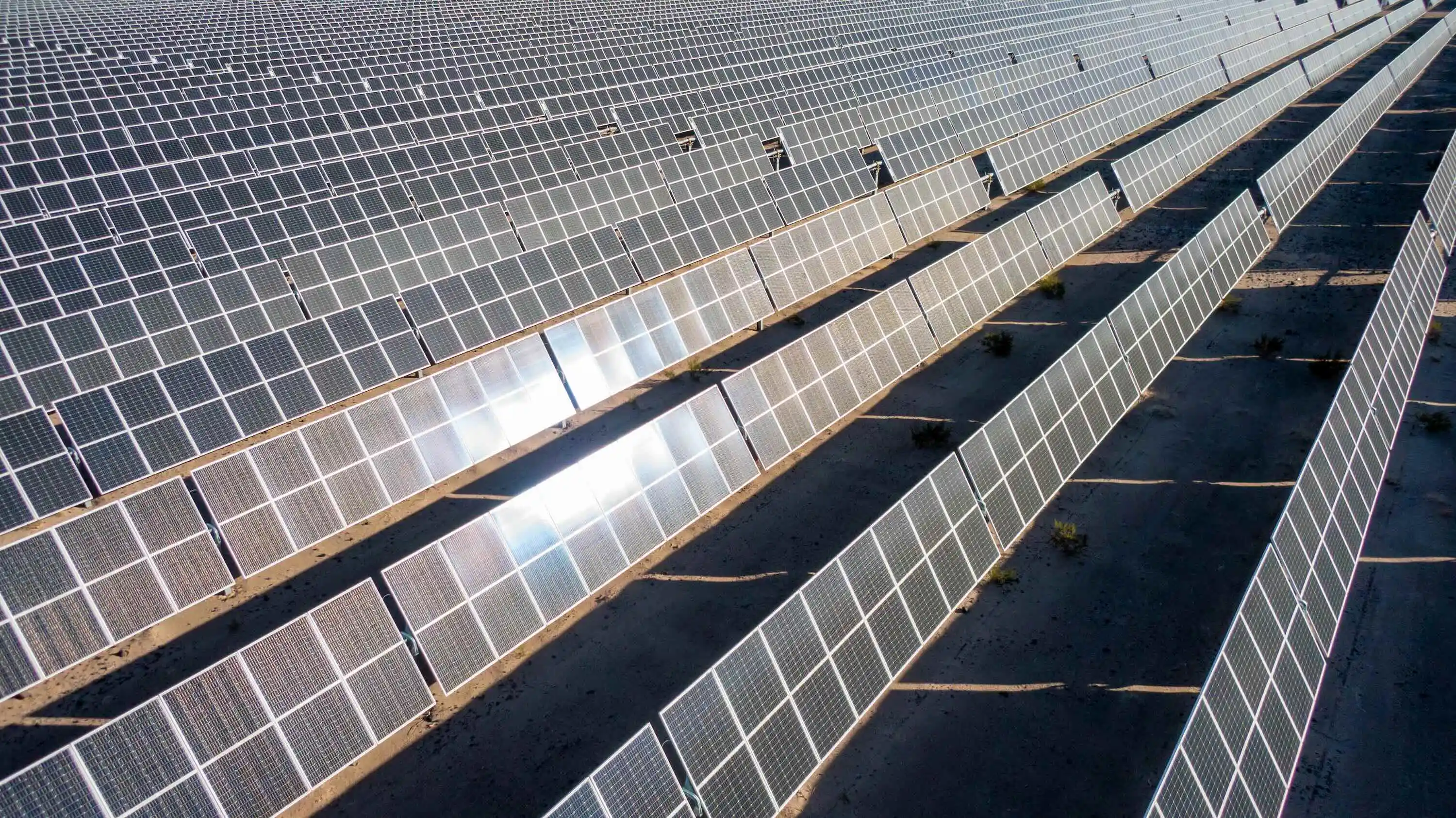
Google has secured its largest solar power and battery storage purchase in the United States, entering a strategic agreement with developer Cypress Creek Energy for the Steel River Energy Center in Arkansas. The deal encompasses the first two phases of the facility, adding 1 gigawatt of solar capacity and 1.9 gigawatt-hours of battery storage to Google’s portfolio. The project, situated approximately 30 miles north of Memphis, Tennessee, is designed to supply power directly to the grid, thereby offsetting electricity demand from Google’s data centres.
Cypress Creek Energy has secured $3.5 billion in financing to support the initial phases of the development. The facility’s hybrid design, which pairs solar generation with large-scale battery storage, aims to provide power to the grid around the clock. This infrastructure supports Google’s broader objective of matching its electricity consumption with clean power on an hourly basis, a strategy intended to accelerate the deployment of hybrid power plants across the market.
When the project reaches full completion, the three-phase facility will become the largest solar installation in the United States. The final phase is scheduled to connect to the grid in 2029, bringing the total capacity to approximately 1.8 gigawatts of solar and 2.9 gigawatt-hours of battery storage. The initial phases alone are expected to generate enough electricity to power roughly 6 per cent of Arkansas’s peak demand.
The scale of Google’s renewable investment stands in sharp contrast to the operations of competitor xAI, which operates an unpermitted natural gas power plant approximately 40 miles to the south in Mississippi. Reports indicate that xAI is running nearly 60 natural gas turbines without federal clean air permits, with pollution from the facility reportedly affecting predominantly Black neighbourhoods.
Despite owning Tesla, which manufactures solar panels and grid-scale batteries, Elon Musk has invested heavily in natural gas to power xAI’s Colossus data centres. Musk recently acquired APR Energy, a developer specialising in modular natural gas power plants, signalling a continued reliance on fossil fuels for his AI infrastructure. In comparison, Google’s investment in the Steel River Energy Center highlights a commitment to rapid renewable deployment, with nearly 2 gigawatts of solar capacity added in just three years.
While Google has previously invested in natural gas through a partnership with Crusoe for a 933-megawatt plant in West Texas, this has been described as an anomaly within its predominantly clean energy portfolio. The Steel River project underscores the company’s focus on scaling renewable and storage technologies to meet the growing energy demands of its data centre operations.
