Google charts course for premium Android laptops with 'Googlebook' reveal
The 2026 Android Show unveiled a new hardware category, rebranded AI capabilities, and significant updates across the mobile and streaming landscape.
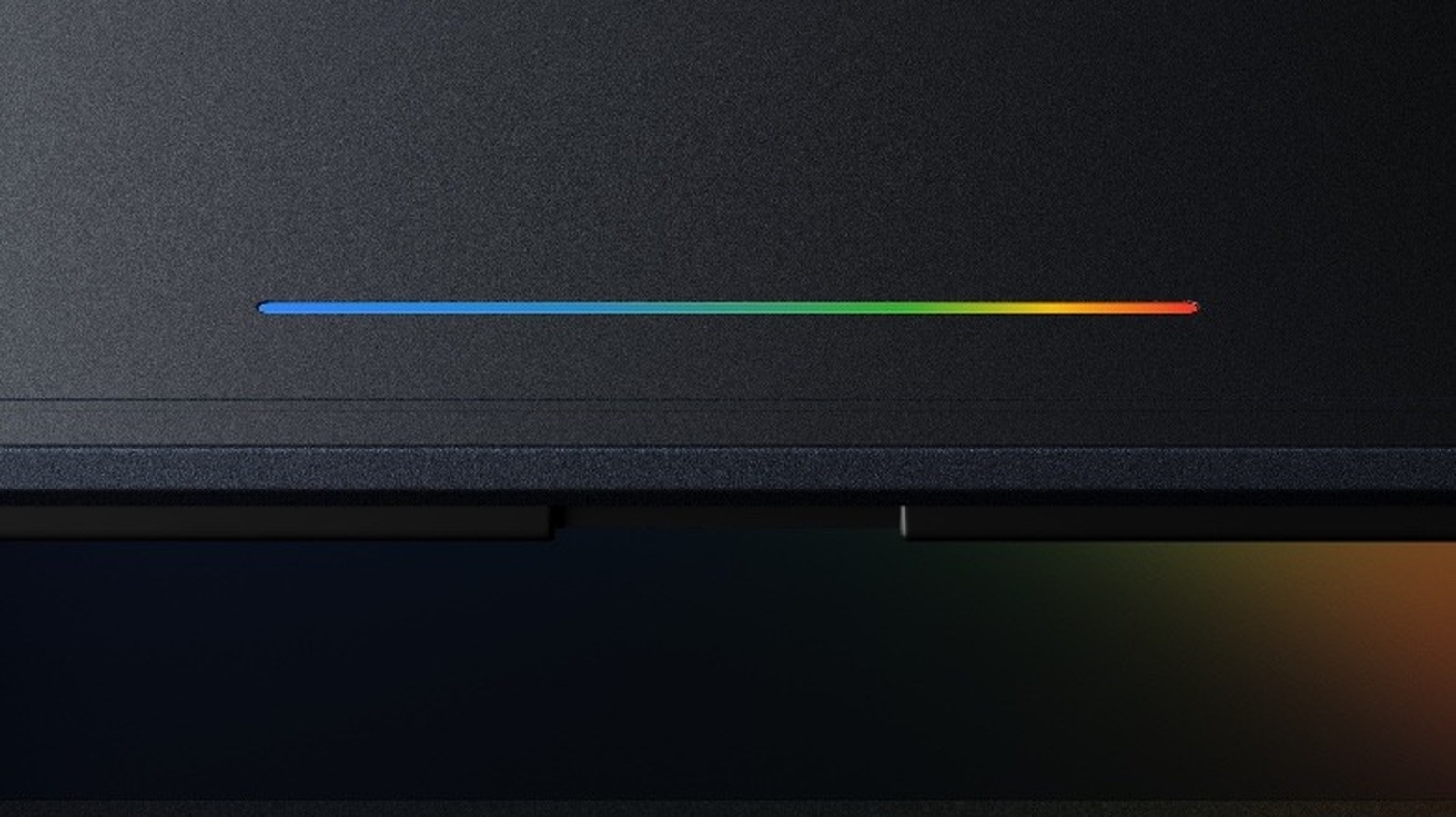
Google has signalled a strategic expansion into the premium laptop market with the preview of the "Googlebook," a new category of devices powered by Android and integrated with Gemini AI. Announced at the company’s 2026 Android Show ahead of next week’s major I/O conference, the initiative marks a distinct departure from traditional Chromebooks and in-house hardware production. Rather than manufacturing the devices itself, Google has partnered with established PC manufacturers, with initial models set to be produced by Acer, Asus, Dell, HP, and Lenovo for release this autumn.
The Googlebook is designed to serve as a hub for deep AI integration, featuring hardware elements such as a multicolour "glowbar" and a redesigned "Magic Pointer" cursor that functions as a contextual AI shortcut. This hardware push coincides with a broader software rebranding, where Google will consolidate its advanced artificial intelligence capabilities under the banner of "Gemini Intelligence." The official rollout of this unified AI suite is scheduled for the summer, launching first on Pixel 10 and Samsung Galaxy S26 devices.
Under the Gemini Intelligence framework, Google is introducing significant automation capabilities, allowing the AI to perform multi-step tasks across different applications. Examples include extracting information from emails to populate shopping carts or booking transport services. For content creators, a new tool arriving first on Pixel devices will enable simultaneous recording of the user and their screen for reaction-style videos, eliminating the need for green screen setups.
Beyond hardware and AI, the event highlighted substantial updates to Android security and interoperability. New privacy measures include automatic identification and termination of calls from spoofed numbers impersonating banks, while the "Mark as Lost" feature now mandates biometric authentication. On-device AI will also monitor for apps that abuse permissions or conceal icons. Additionally, Google unveiled a redesigned, wireless iOS-to-Android transfer process that preserves home screen layouts, alongside a modernised Android Auto interface featuring edge-to-edge map views.
The broader technology landscape saw further developments, with Motorola unveiling the Razr Fold, a new entry into the foldable market boasting a 7,000-nit screen and stylus support. Instagram introduced "Instants," an ephemeral photo-sharing feature available within the main app and as a standalone option, allowing users to share unedited photos with selected contacts. Meanwhile, Netflix reported that its ad-supported tier has reached 250 million monthly active users, up from 94 million in 2025, with plans to expand the plan to 15 additional countries.
