Google begins full-scale rollout of redesigned app icons ahead of I/O
The incremental update, first spotted in Gmail and on iPhone devices, introduces added depth to the company’s signature colour palette, with further details expected at the upcoming Google I/O conference.
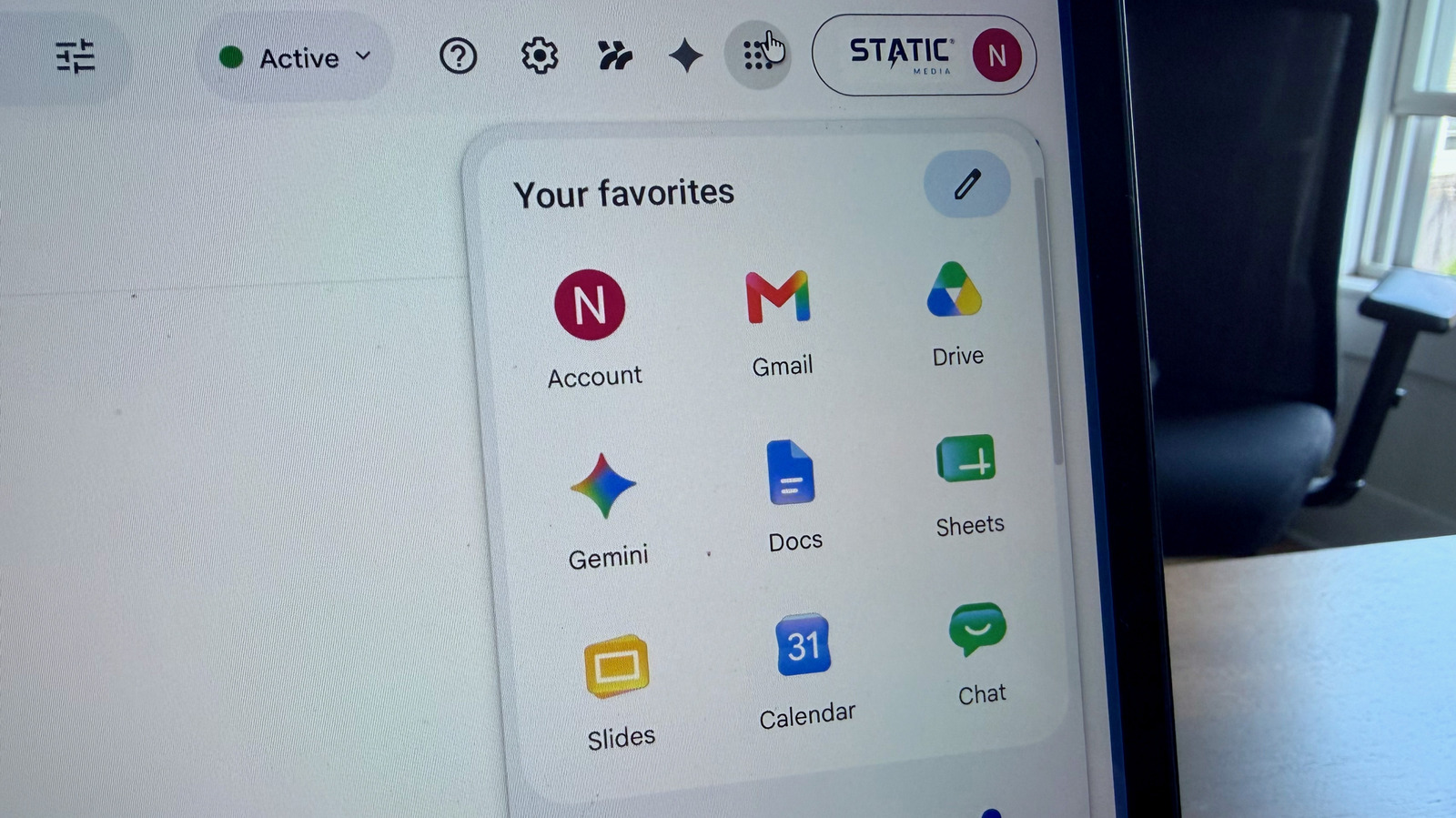
Google has commenced a comprehensive redesign of its application icons, a move designed to address longstanding criticism regarding the lack of visual differentiation in its current interface. The update marks a significant departure from the uniform outline style introduced approximately five years ago, which replaced individual defining characteristics with outlines composed of the company’s four signature colours.
The shift in design strategy follows a partial redesign of Google Maps earlier this year, which introduced added depth while retaining the brand’s core colours and pin design. Following reports from 9to5Google a few weeks ago that a full-scale overhaul was in development, the new icons are now appearing incrementally across various platforms.
Initial sightings of the update have been confirmed in Gmail accounts, where the app switcher interface displays the new designs. The rollout is also visible on iPhone devices, with several Google applications showing the updated graphics. However, the deployment is not yet universal; applications such as Drive and Calendar may still display the previous versions, indicating an ongoing, phased release.
The new aesthetic incorporates a sense of depth that draws comparisons to the 3D emoji style introduced in a recent Android update. This visual change is intended to improve legibility, allowing users to distinguish between similar services, such as Docs and Meet, at a glance. The previous design was widely criticised for making it difficult to identify specific tools quickly.
Further specifics regarding the redesign and broader product announcements are anticipated at the upcoming Google I/O conference. The company’s keynote is scheduled for 1PM ET, where live coverage will provide additional context on the direction of the company’s software and hardware initiatives.
