Google and Samsung Unveil Android XR Smart Glasses at I/O
The tech giants showcased reference models featuring Gemini AI integration, spatial audio, and mixed-reality interfaces, underscoring the competitive landscape in the augmented reality sector.
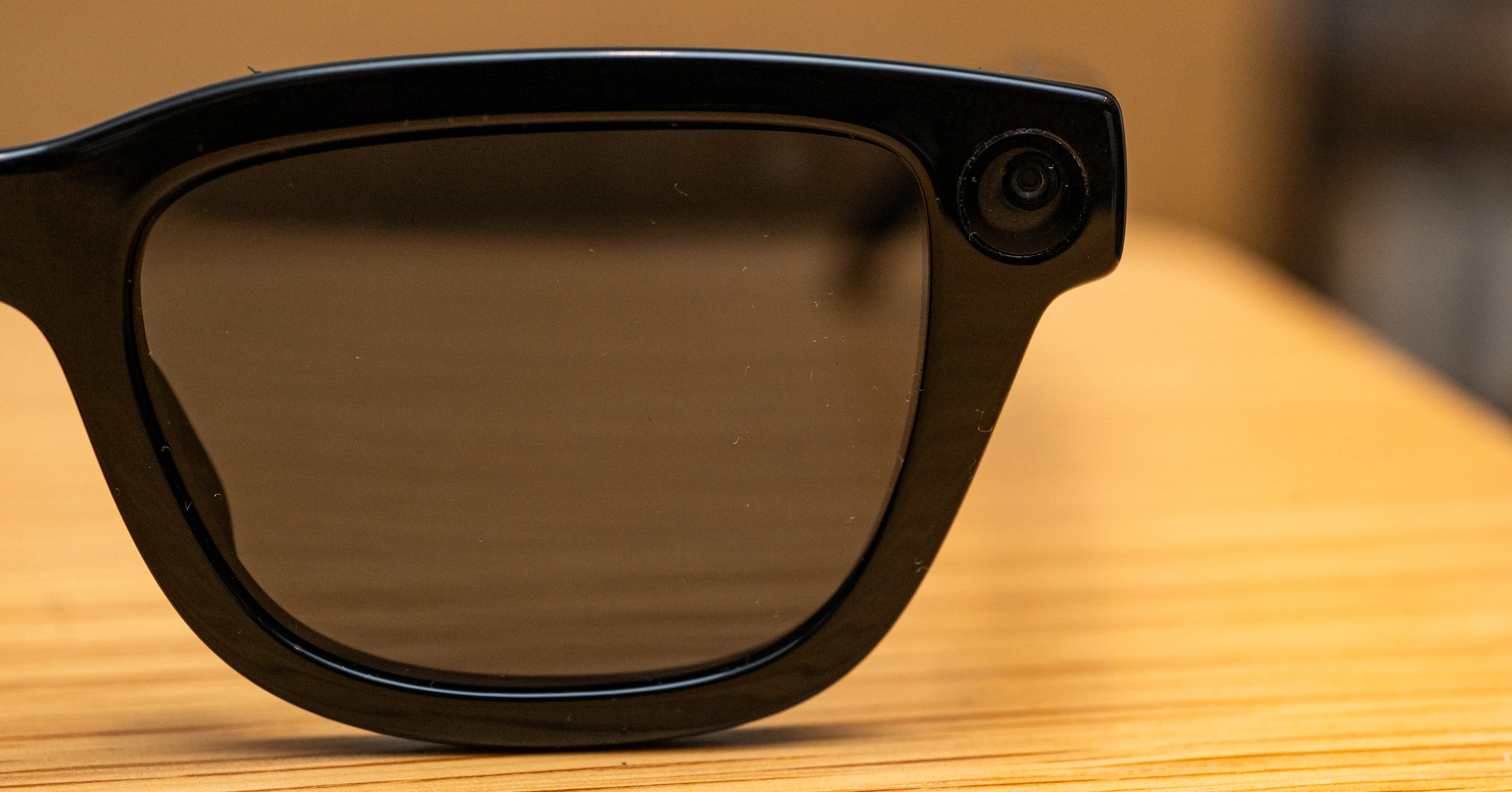
At Google I/O, Google and Samsung revealed the next iteration of their Android XR smart glasses, developed in collaboration with eyewear manufacturers Warby Parker and Gentle Monster. The announcement marks a significant step in the commercialisation of mixed reality, with audio-only models slated for release later this year and display-integrated versions arriving in the autumn. Xreal also demonstrated Project Aura, a mixed-reality headset offering a full Android app interface with hand-gesture controls, further expanding the ecosystem’s hardware portfolio.
The devices showcased were unfinished reference glasses from Samsung and Google, rather than the final polished designs from the eyewear partners. Despite their prototype status, the units were noted for being lightweight, although the arms remained somewhat chunky. All models, including the audio-only variants, are equipped with cameras to enable Gemini’s visual contextual awareness. This hardware foundation supports a suite of features including Gemini Live for conversational AI, object identification, and real-time translation services.
Audio performance on the reference units was described as dynamic and spatial. In testing, sound leakage was minimal at 50 percent volume in a quiet room, suggesting a focus on privacy and user experience. The navigation capabilities rely on the user’s phone GPS, with the glasses’ cameras utilising Google’s Visual Positioning System for location calibration. This integration allows for precise turn-by-turn directions, with display versions offering visual cues to complement the audio guidance.
Xreal’s Project Aura presents a different form factor, resembling a miniaturised version of bulky headsets like the Apple Vision Pro. It features an OLED screen with a 70-degree field of view and a tethered battery pack providing approximately four hours of use. The headset utilises a Qualcomm Snapdragon processor, described as at least as powerful as that in the Samsung Galaxy XR. Users can interact with the full Android XR interface through hand gestures, accessing hundreds of apps and experiencing mixed-reality games such as Demeo.
Historical context indicates that for Google I/O 2026, the external compute puck for Project Aura was redesigned and includes a fingerprint sensor. This follows the announcement of the Android XR mixed reality platform in December 2024, with Android 17 introducing generative widgets that enhance the glanceable information features on the glasses. As these technologies move closer to market, they signal a broader industry shift towards AI-integrated wearables that blend digital services with physical reality.