Google and Apple pivot to AI-driven personalisation in mobile update
At Google I/O 2026, the tech giant unveiled tools allowing non-developers to generate native apps via text, while reports suggest Apple is simplifying automation for iOS 27.
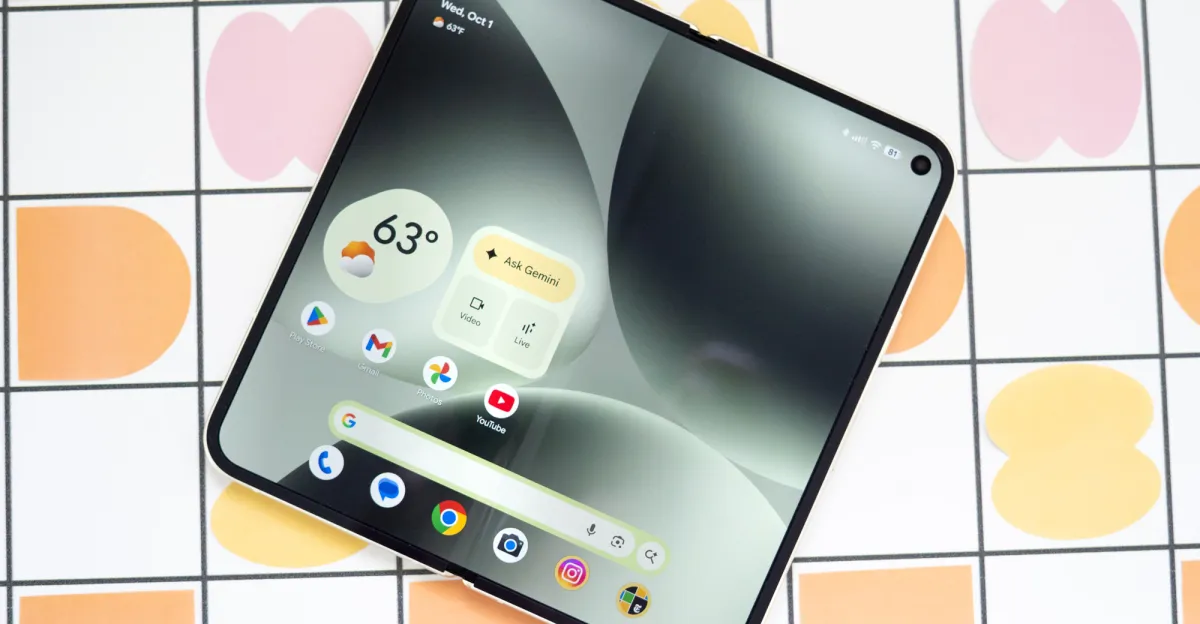
At Google I/O 2026, Google announced significant updates to its AI Studio, introducing a feature that allows users to generate native Android applications and custom widgets through text prompts. The company described the process as "vibe coding," a term referring to non-developers using artificial intelligence tools to create niche software. This update enables users to build personal utility apps and export them to a device in minutes, leveraging the Gemini knowledge base to facilitate the creation process.
The new capabilities are initially restricted to personal utility applications, with existing rules for submitting apps to the Google Play Store remaining unchanged. Alongside full app generation, Google outlined plans for generative UI, where interfaces adapt to user needs in real time. Android president Sameer Samat noted that while the company aims to avoid chaotic interface changes, there is potential for a level of customisation that enhances user experience.
Concurrently, Bloomberg’s Mark Gurman reported that Apple is developing prompt-based shortcuts for its upcoming iOS 27 release. The Shortcuts application currently allows users to program automations, but the process can be complex. The new development aims to simplify this by allowing users to create automations through natural language commands, potentially reducing the friction associated with programming device actions.
These announcements reflect a broader industry trend toward making mobile operating systems more adaptive and accessible. Previous promises from technology executives regarding upgraded voice assistants, such as Siri with ChatGPT integration and Gemini, have yet to fundamentally alter the core smartphone experience. The introduction of AI-driven personalisation tools represents a potential step toward more intuitive device interaction, though the actual functionality and reliability of these features remain to be proven.
While the concept of generative UI and vibe coding is compelling, the immediate impact on the mobile platform is limited. The tools are designed to offer a higher degree of personalisation, allowing users to create specific interfaces or automations for their daily routines. However, industry observers note that this development is not a complete platform shift, but rather an incremental move toward more personalised mobile computing.
