Goldman Sachs warns S&P 500 rally past 7,100 is market 'froth'
The investment bank cites fear of missing out and the closure of the Strait of Hormuz as key factors in a rally they say outpaces underlying economic value.
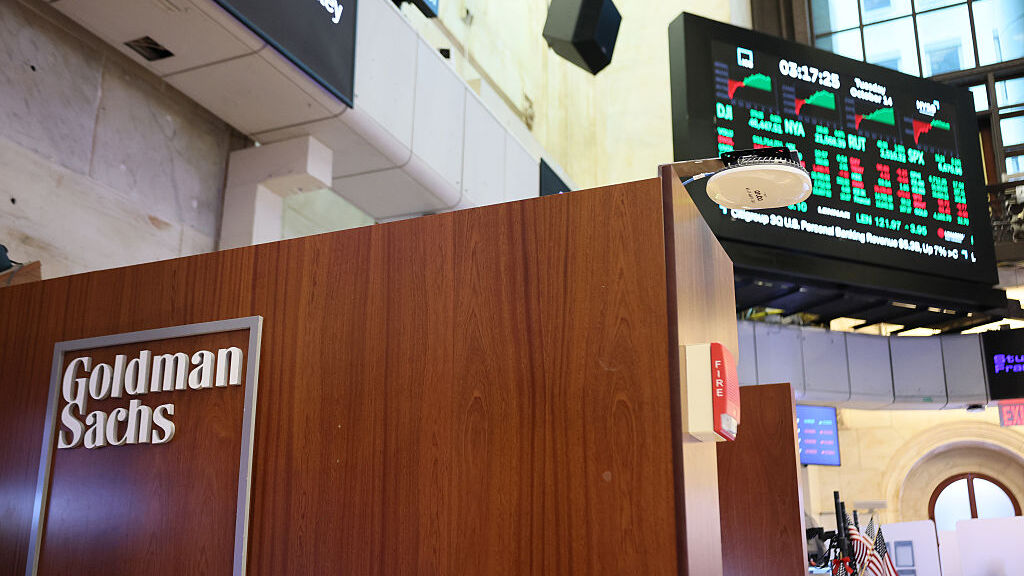
Goldman Sachs analysts have characterised the S&P 500's recent surge past the 7,100 threshold as market 'froth' rather than a genuine economic recovery. The firm attributes this valuation disconnect to investor fear of missing out and ongoing geopolitical uncertainty surrounding the war in Iran. Consequently, the bank warns that stock prices are rising faster than their inherent value and suggests a market correction or crash could occur in the near term.
In financial terms, 'froth' refers to prices rising very quickly, much faster than the underlying value of the assets, similar to how foam makes a drink look fuller than it is. Just as a frothy drink can mislead the eye about its volume, a frothy market makes stocks appear more valuable than they actually are. The firm notes that this condition tends to disappear, potentially leading to a market crash.
The current volatility is driven partly by a reversal in geopolitical expectations. In April, the market rally was buoyed by hopes that the Iran war was easing and the Strait of Hormuz would open permanently. However, conditions have since reversed, with the Strait remaining closed and energy prices rising above pre-ceasefire levels. This shift has reignited concerns that the rally lacks a solid foundation.
The report highlights that the market is currently 'crowded,' with many potential buyers having already loaded up, leaving limited room for further expansion. This situation mirrors historical precedents where Wall Street dismissed similar warnings before a downturn. Specifically, the term 'froth' was notably used by Federal Reserve chairman Alan Greenspan in 2005 regarding the housing market, which subsequently contributed to the 2008 Great Recession.
Goldman Sachs suggests that investors are acting on information that quickly becomes irrelevant or untrue, leading to crowded trades. The firm argues that now is not the right time to let fear of missing out dictate purchasing decisions. If the war in Iran does not conclude as quickly as investors predict, the market could react negatively, causing stock prices to stall or drop from recent highs.
Ultimately, the investment bank advises that a diverse portfolio, including bonds or commodities, may help investors weather any possible market crashes. While some financial organisations remain bullish, Goldman Sachs maintains that there might not be much room left to expand given the current crowded nature of the market.