Goldman Sachs forecasts 100-fold SpaceX AI revenue surge to support $1.78tn IPO
Analysts at Goldman Sachs have issued long-term estimates suggesting artificial intelligence revenue could increase 100 times by 2030, a figure used to justify the space company’s ambitious market capitalisation goals.
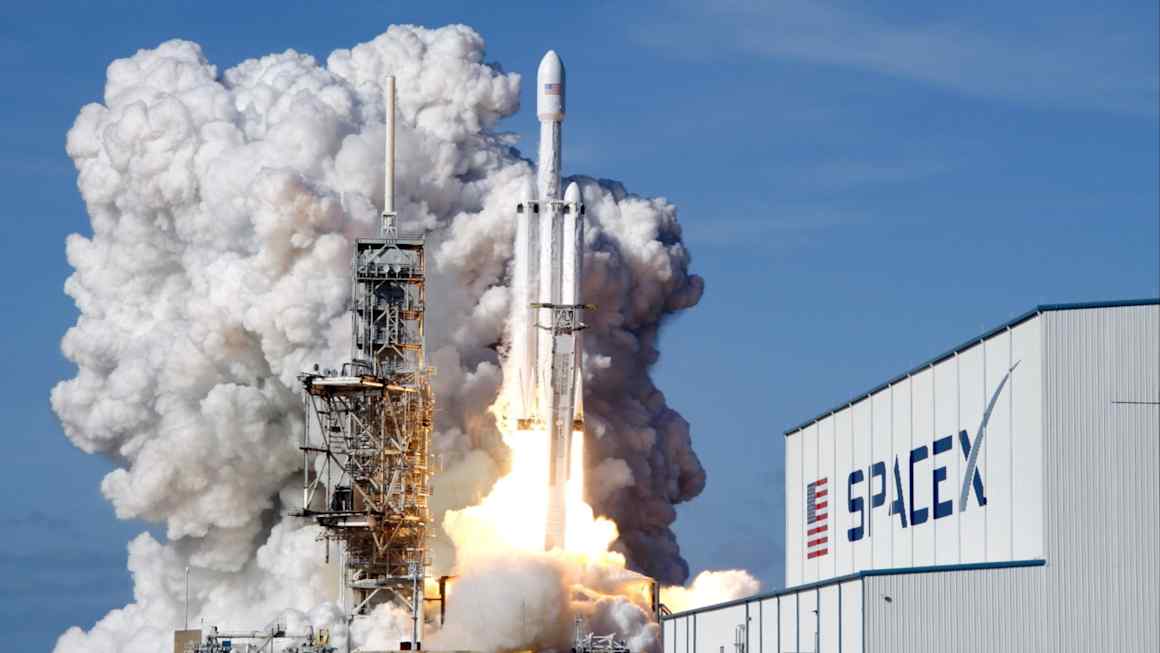
Goldman Sachs has released financial projections indicating that SpaceX’s artificial intelligence revenue could increase 100-fold by 2030. These forecasts are intended to underpin the company’s target valuation of $1.78 trillion for its upcoming initial public offering. The Wall Street bank’s analysis provides a numerical foundation for the valuation the group is currently pitching to potential investors.
The projections serve as a critical component in the financial narrative surrounding SpaceX’s entry into the public markets. By outlining a scenario where AI-related income expands significantly over the next four years, the bank aims to validate the high-end valuation metrics required for a listing of this magnitude. This approach aligns with common practices where investment banks use long-term growth assumptions to support premium pricing for high-growth technology and aerospace firms.
While the specific methodology behind the 100-fold increase is not detailed in the source material, the figure represents a substantial escalation in revenue streams attributed to artificial intelligence within SpaceX’s broader business model. The reliance on such aggressive growth estimates highlights the speculative nature of valuing pre-profit or early-stage revenue drivers in a high-valuation IPO context.
The announcement comes amidst a broader period of market activity, including a US-China summit in Beijing attended by technology executives such as Elon Musk. During this period, US stock markets saw gains, with the Dow Jones Industrial Average rising 0.8 per cent and the Nasdaq Composite climbing 0.2 per cent. Additionally, Nvidia shares surged more than 2 per cent following US approval for chip sales, reflecting ongoing investor interest in the semiconductor and AI sectors.
Despite the supportive projections, the $1.78 trillion figure remains a target valuation rather than a guaranteed outcome. The accuracy of the long-term revenue forecasts is subject to market conditions and SpaceX’s execution capabilities. Investors will need to assess whether the projected AI revenue growth is sufficient to sustain such a massive market capitalisation when the company eventually lists.