Gold holds steady above $4,500 as markets await US-Iran breakthrough
August futures open higher on Tuesday, 2 June, with investors in a holding pattern ahead of potential ceasefire or Strait of Hormuz developments.
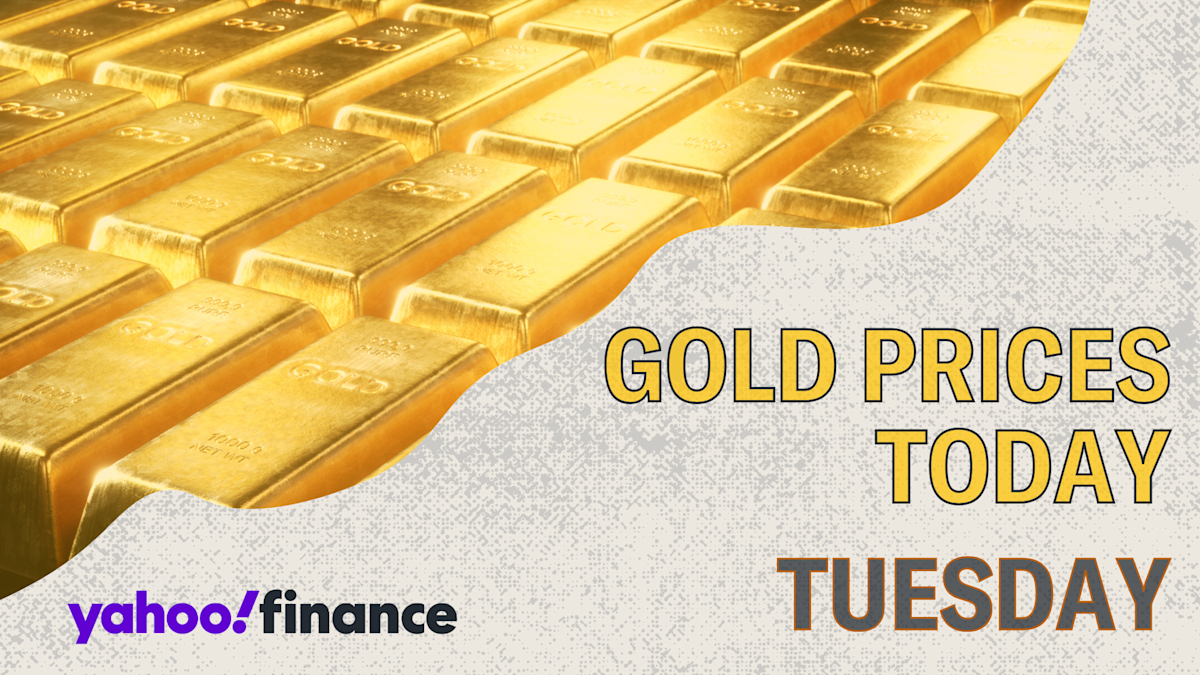
Gold August futures opened at $4,515.80 per troy ounce on Tuesday, 2 June, marking a modest 0.2% increase from Monday’s closing price. By 8:08 a.m. ET, the price had climbed to $4,558.10 per troy ounce. According to data from Yahoo Finance, the metal has recorded a 1.28% gain over the preceding five days, maintaining its position in the $4,500 range.
The precious metal has remained steady over the past fortnight as daily developments unfold in the Middle East. Market participants are currently in a holding pattern, anticipating tangible outcomes from recent negotiations between the United States and Iran. Investors are hopeful for specific improvements, particularly the reopening of the Strait of Hormuz and the establishment of at least a semi-permanent ceasefire.
Historical performance underscores the asset’s recent strength, with gold recording a one-year gain of 95.6% as of 29 January. The commodity is increasingly viewed as a diversification asset for both central banks and individual investors, recovering from a period of decades spent at low price levels. However, experts caution that predictions regarding whether prices will reach $6,000 in 2026 remain speculative.
Darrell Fletcher, managing director of commodities at Bannockburn Capital Markets, noted that while buying near record highs presents risks, positive dynamics are supporting the metal. Fletcher highlighted that gold is recovering from years of depressed valuations and is gaining traction as a portfolio stabiliser rather than a driver of supercharged returns.
Alex Tsepaev, chief strategy officer at B2PRIME Group, advised that gold should primarily serve to stabilise a diversified portfolio. Thomas Winmill, portfolio manager at Midas Funds, described gold bullion, coins, and ETFs as speculative positions, warning that commodity prices are dependent on unpredictable macroeconomic, political, and financial factors.