Gold hits record highs as central bank demand shifts and geopolitical risks persist
Prices reached $4,550 per ounce in 2025, driven by inflation concerns and a pivot away from the US dollar, with Poland, China, and Brazil leading central bank purchases.
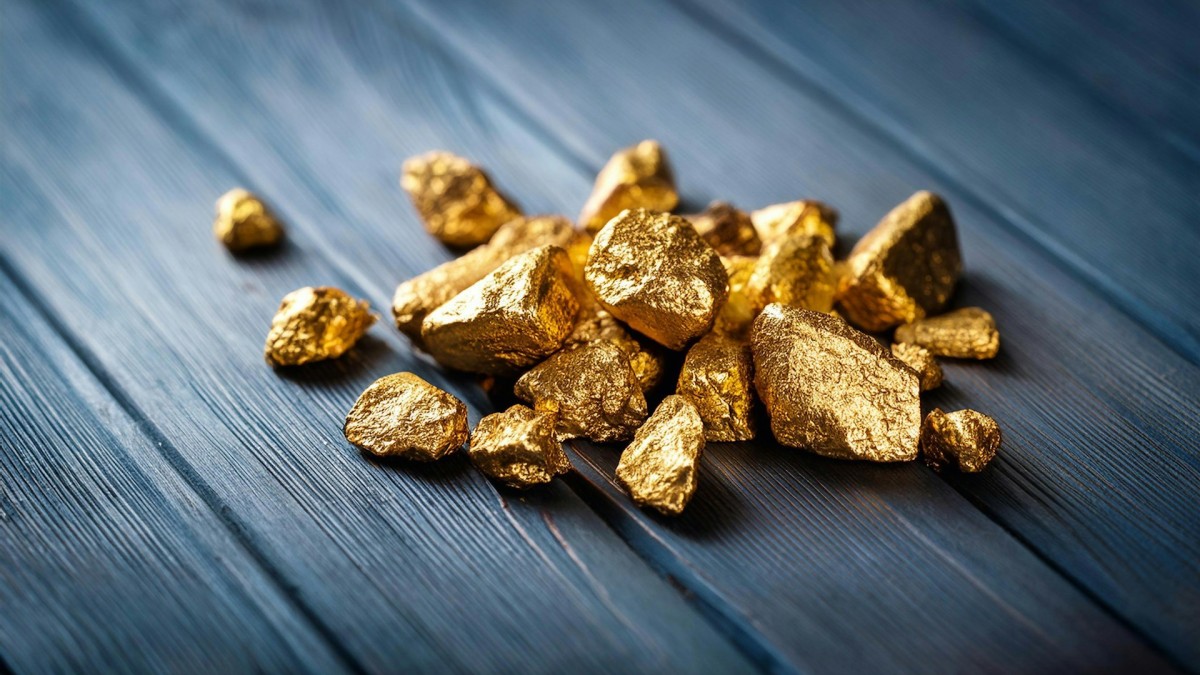
Global gold prices surged 44 per cent in 2025, reaching $4,550 per ounce by December and marking the asset’s strongest annual performance since 1980. According to the latest report from Metals Focus, the rally was underpinned by geopolitical uncertainty, inflation concerns, and a strategic pivot away from the US dollar. The precious metal recorded 56 fresh record highs throughout the year, as investors increased allocations to hedge against stock market volatility and global growth risks.
Despite central bank purchases falling to approximately one-fifth of the levels seen in the previous three years, buying remained significantly above historical norms. Poland, China, and Brazil emerged as the most active buyers, with Poland alone purchasing 102 tonnes. This sustained official sector interest helped buoy prices even as the pace of accumulation slowed compared to the previous cycle.
Physical investment demand jumped 16 per cent to 1,400 tonnes, the highest level in 12 years, driven by bullish investor sentiment. Regional divergence was evident, with the strongest gains concentrated in East and South Asia. Indian retail investment climbed 17 per cent, linked to struggling equity markets in the region, while Chinese jewellery demand plunged 28 per cent as investors shifted towards exchange-traded funds and bars.
Global mining production increased by two per cent year-on-year to a record high of 3,817 tonnes, driven by new mines and project expansions primarily in Africa, Canada, and South America. Conversely, production declined in North America and Asia due to low-grade ores and operational disruptions. Recycling saw a modest rise of 2.8 per cent to 1,404 tonnes, the highest level since 2012, as consumers opted to retain the safe haven asset rather than sell.
Jewellery demand remained repressed in response to surging prices, with consumers leaning towards lower-carat products or alternative metals such as platinum. Industrial demand remained flat, as gains from the AI boom were offset by weakness in consumer electronics and squeezed manufacturing budgets. Prices continued to rally into early 2026, hitting a fresh all-time high of $5,595 in late January before tumbling in March following the nomination of Kevin Warsh as Federal Reserve chair. Professional investor appetite has since subdued amid the Iran war, though Metals Focus remains optimistic for the second half of the financial year, expecting a ceasefire between Iran and the US.