Gold futures dip in early trading as markets weigh Middle East tensions
Investors monitor ceasefire developments and Strait of Hormuz risks as prices retreat from Friday’s close.
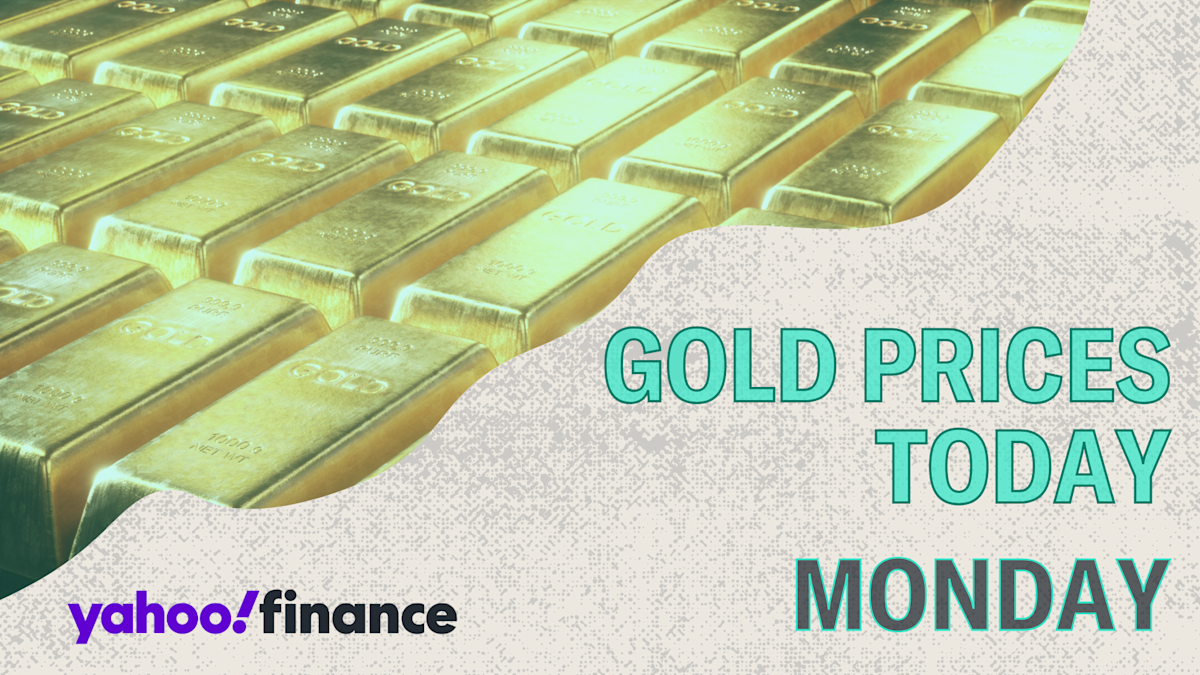
Gold June futures opened at $4,575.20 per troy ounce on Monday, representing a 0.4 per cent decline from Friday’s closing price of $4,593. Early trading saw further downward pressure, with prices dropping to $4,537.90 by 7:56 a.m. ET, according to data from Yahoo Finance.
The decline occurs against a backdrop of heightened geopolitical tension in the Middle East. Markets are currently assessing the impact of renewed conflict in Lebanon and ongoing military exchanges between Israel and Hezbollah. Investors are also awaiting the signature of a ceasefire extension by President Trump, a development that could influence regional stability and commodity flows.
Uncertainty remains regarding how the renewed conflict in Lebanon will affect the United States’ ability to make progress toward ending the war and reopening the Strait of Hormuz. It is unclear whether these geopolitical developments will push gold prices higher or lower in the coming days, as traders attempt to digest the latest developments and extract hopeful signals wherever possible.
Despite the early decline, the opening price on Monday marked the highest level in a week. However, opening values have remained within a narrow range for several days, reflecting a period of consolidation as markets process regional risks. This volatility comes after gold recorded a significant one-year gain of 95.6 per cent on January 29.
Gold futures are exchange-traded contracts that mandate a transaction at a specific price on a future date, settling either financially or via physical delivery. These contracts are generally more liquid than physical gold. The spot price, which represents the current market price for physical gold as a raw material, is typically lower than retail prices due to premiums covering refining, marketing, and dealer overhead.
Historical data indicates the long-term value retention of the metal; for instance, $1 million invested in gold in 1900 would be worth approximately $278 million today. While broader market activity includes heavy institutional buying of NVIDIA shares and strong earnings reports from Amazon, gold traders remain focused on supply and demand dynamics influenced by geopolitical stability.