Goal Zero redefines the Yeti 1500 with LiFePO4 chemistry and aluminium chassis
Goal Zero has launched an updated Yeti 1500 featuring a 30-amp 12-volt output, AC charging up to 1,800 watts, and a claimed cycle life of 4,000 charges, targeting overlanders and van lifers.
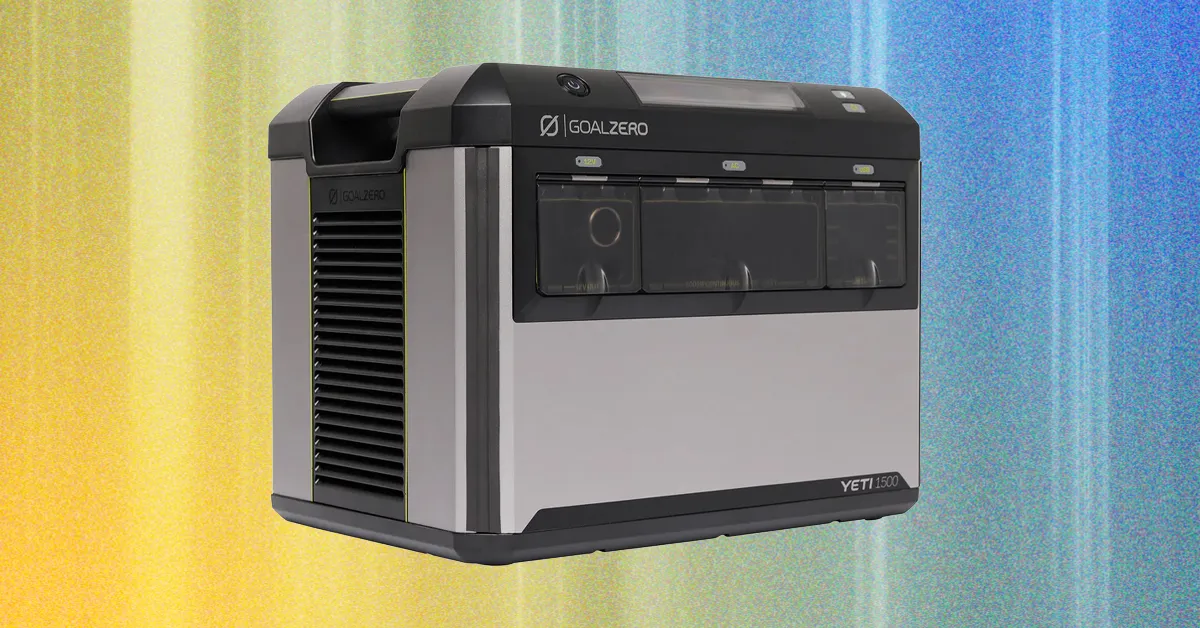
Goal Zero has released the sixth iteration of its Yeti 1500 portable power station, marking a significant engineering shift for the off-road and van life markets. The new model replaces the previous lithium polymer battery with lithium iron phosphate (LiFePO4) chemistry and swaps the standard plastic casing for a robust all-aluminium body designed to withstand high-vibration environments.
This structural redesign addresses a key weakness in previous models, where plastic casings were prone to cracking under the stress of off-road travel. The aluminium construction is specifically engineered to resist damage in high-vibration conditions common to overlanding rigs, ensuring the unit remains durable during extended periods of use in remote locations.
Internally, the switch to LiFePO4 chemistry offers superior cycle life and temperature performance compared to the older lithium polymer variants. Goal Zero claims a cycle life of 4,000 charges to 80 per cent capacity for the new unit. While the battery chemistry provides longer longevity, it is noted to have slightly less energy density than its predecessor.
Key specifications for the new release include a 30-amp 12-volt output capable of powering vehicle distribution panels, a feature noted as absent in competitors like Jackery and Bluetti at this price point. The unit also supports AC charging up to 1,800 watts, allowing a full charge in just over an hour, with a switch available to reduce draw to 1,500 watts for campground use.
Solar compatibility remains robust, supporting up to 900 watts of solar input via 8-millimetre or HPP connectors. The device is compatible with third-party panels using appropriate adapters, maintaining flexibility for users who do not wish to purchase proprietary Goal Zero solar arrays.
The company states the unit is designed to function as both a backup battery at home and a primary power source for mobile setups. While pricing information was not included in the available context, the device positions itself against rivals by offering a 140-watt USB-C port and high-amp 12-volt outputs that are otherwise unavailable in comparable models.
