GM targets energy storage boom with sodium-ion strategy amid Tesla dominance
General Motors is entering the stationary energy storage market with a new sodium-ion chemistry, aiming to capitalise on surging electricity demand from data centres while avoiding reliance on Chinese-controlled materials.
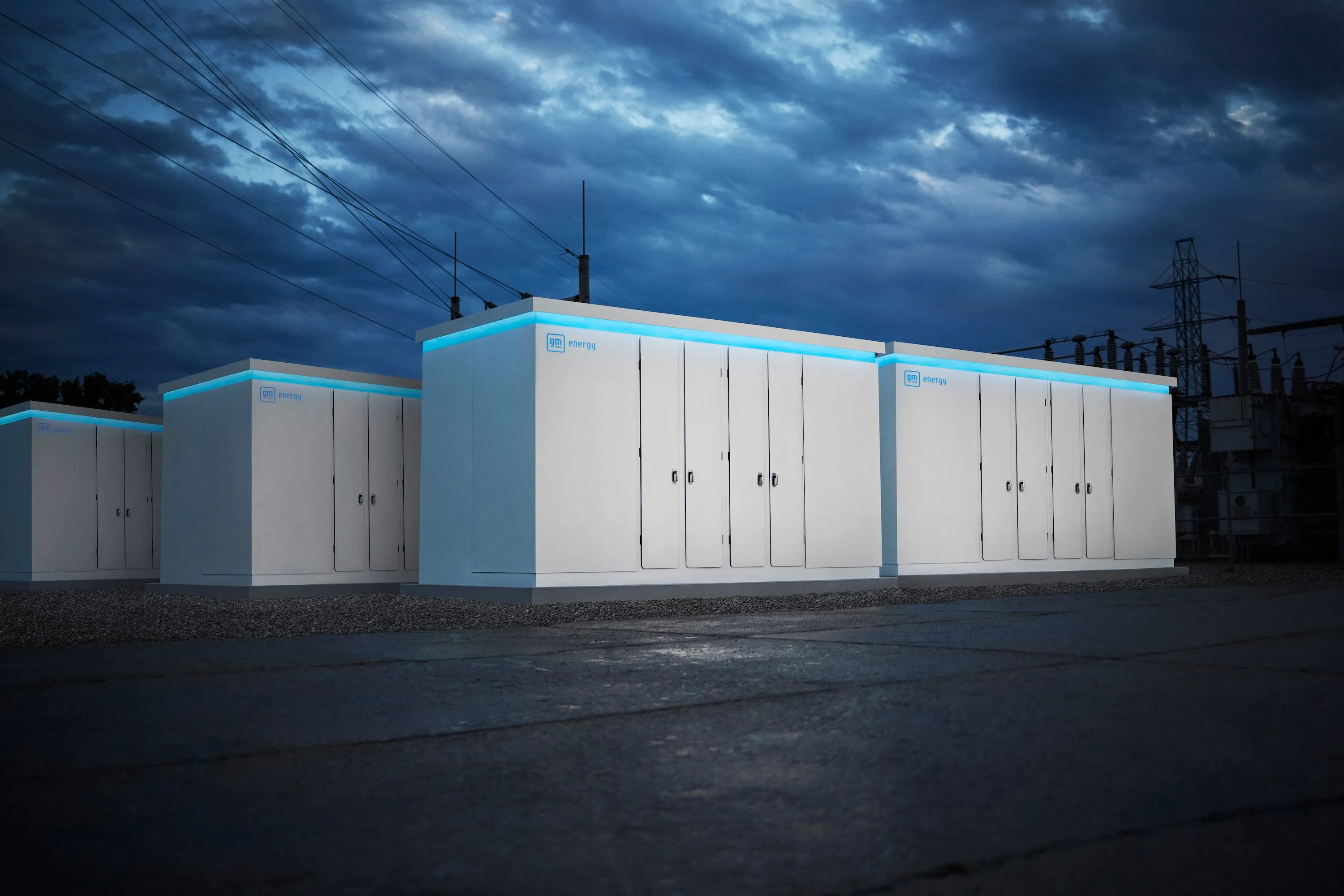
General Motors has announced the development of a new sodium-ion battery chemistry, marking a strategic expansion into the stationary energy storage sector. The move is driven by surging electricity demand from artificial intelligence data centres and broader economic electrification across transportation, manufacturing, and heating, ventilation, and air conditioning systems. While Tesla currently dominates the sector with an estimated 82% share of installations, GM aims to leverage sodium-ion technology to enhance supply chain resilience and reduce costs by avoiding reliance on Chinese-controlled materials.
The automaker has deliberately delayed repurposing its existing lithium-ion manufacturing capacity for energy storage, choosing instead to preserve it for potential future growth in the electric vehicle sector. GM’s new sodium-ion cells are expected to debut later this decade, with the company exploring accelerated timelines for market entry. Kurt Kelty, vice president of battery and sustainability at GM, stated that the company is exploring ways to enter the market faster than initially planned, noting that while the technology is in its infancy, the supply chain has the opportunity to grow anywhere investors choose to commit.
Sodium-ion technology offers distinct advantages over traditional lithium-ion batteries, including lower material costs, greater abundance of raw materials, and the ability to withstand more charge-discharge cycles. The chemistry does not require an active cooling system, which reduces complexity and cost. Additionally, sodium-ion materials are not as heavily concentrated in China as cobalt or other lithium-ion components, providing a path towards greater supply chain security. Andy Oury, business planning manager at GM, highlighted that this approach allows for low-cost materials and resilience against geopolitical supply constraints.
Competitors in the energy storage space are actively raising capital to capture market share. Base Power recently raised $1 billion in Series C funding to expand beyond Texas, while Lunar Energy secured $232 million to sell batteries to homeowners. Other players, such as Lightship, are pivoting to offer mobile batteries for job sites. Tesla’s energy generation and storage revenue has doubled since 2023, with gross profits in the segment around 30%, significantly higher than GM’s historical automotive gross margin of approximately 11%.
GM is also developing a separate lithium-manganese-rich chemistry for EVs, set to debut in 2028, which aims to cut EV costs by approximately 10% and achieve parity with fossil fuel vehicles. This strategic separation ensures that GM retains flexibility in its manufacturing footprint. Paul Menson, director of energy storage commercialization at GM, expressed confidence that the bet on sodium-ion will pay off regardless of market fluctuations, arguing that having the best product ensures competitiveness even if market growth slows.
