GM Activates Vehicle-to-Grid Charging for 250,000 US Electric Vehicles
General Motors has rolled out vehicle-to-grid capabilities to its US electric vehicle fleet, partnering with major utilities to test the technology as a distributed energy resource.
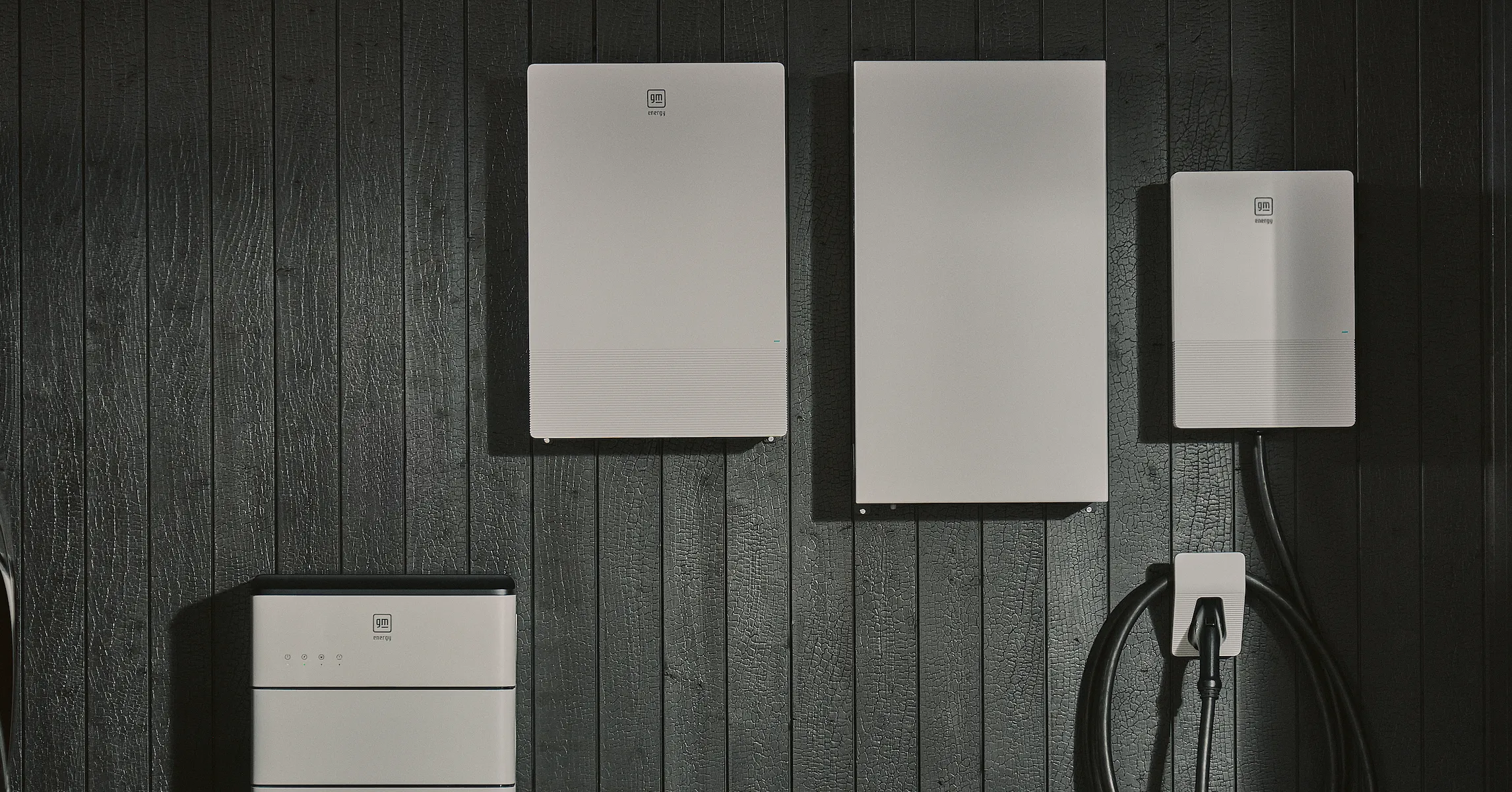
General Motors has activated vehicle-to-grid charging capabilities for its GM Energy customers through a recent software update, enabling approximately 250,000 electric vehicles in the United States to discharge power back to homes and the electrical grid. The automaker’s chief product officer, Sterling Anderson, described the initiative at a San Francisco event as a strategy to turn every GM electric vehicle on the road into a distributed power resource, aiming to enhance grid stability during periods of high demand.
To utilise this bidirectional charging technology, homeowners must purchase a hardware system costing $20,000, which requires professional installation. GM Energy vice president Wade Scheffer stated that the company believes customers can recoup this upfront cost after five years of use, provided local utility programs guarantee payment for grid support. Despite the technical capacity residing in a quarter-million vehicles, Scheffer attributed the current low adoption rate—limited to only thousands of customers—to a lack of public awareness rather than technical limitations.
The automaker has announced partnerships with utilities DTE Energy and PG&E to test and expand the scope of this bidirectional charging. A stress test of the technology is currently underway with 30 GM employees, facilitated by Michigan’s DTE Energy. Concurrently, GM has set a target to integrate 52,000 GM electric vehicles into the PG&E grid in Northern California by 2030, marking a significant step in the company’s broader energy strategy.
GM is also working to ensure that customers retain complete control over when their vehicles discharge to the grid, preventing drivers from being stranded without charge. Future iterations of the system are expected to learn owner schedules to automatically manage power flow, ensuring vehicles are sufficiently charged before planned departures. This approach aligns with GM’s effort to increase the value proposition of its vehicles beyond mere transportation.
The rollout comes amidst a complex regulatory and market landscape, with nearly 3,000 utilities across the US requiring individual approval for the equipment. Industry experts note that the technology is still in its early stages, with utilities and manufacturers collaborating to establish interoperability standards. As GM seeks to reshape driver interaction with their vehicles, the success of this initiative will depend heavily on broader utility adoption and consumer engagement.
