Global supporter traditions take centre stage ahead of 2026 World Cup
From the Netherlands’ mass marches to Scotland’s charitable appeals, fan culture is as integral to the 2026 tournament as the matches themselves.
As the 2026 FIFA World Cup approaches across the United States, Canada, and Mexico, the focus extends beyond the 48 national teams to the supporters who will fill the stadiums throughout June and July. Exuberant fans are preparing to showcase unique cultural traditions, ranging from elaborate costumes and face paint to distinct chants that reflect their national identities. While many traditions are shared globally, several nations have developed specific rituals that will define their presence in North America.
Japan’s supporters, known as the Samurai Blue fans, utilise chants that blend Japanese and Spanish, such as "Vamos Nippon!" and "Nippon Olé." These chants incorporate the formal pronunciation of Japan, "Nippon," while adopting the structure of Spanish-language football cheers. This linguistic fusion highlights the global nature of the sport and Japan’s integration into international fan culture.
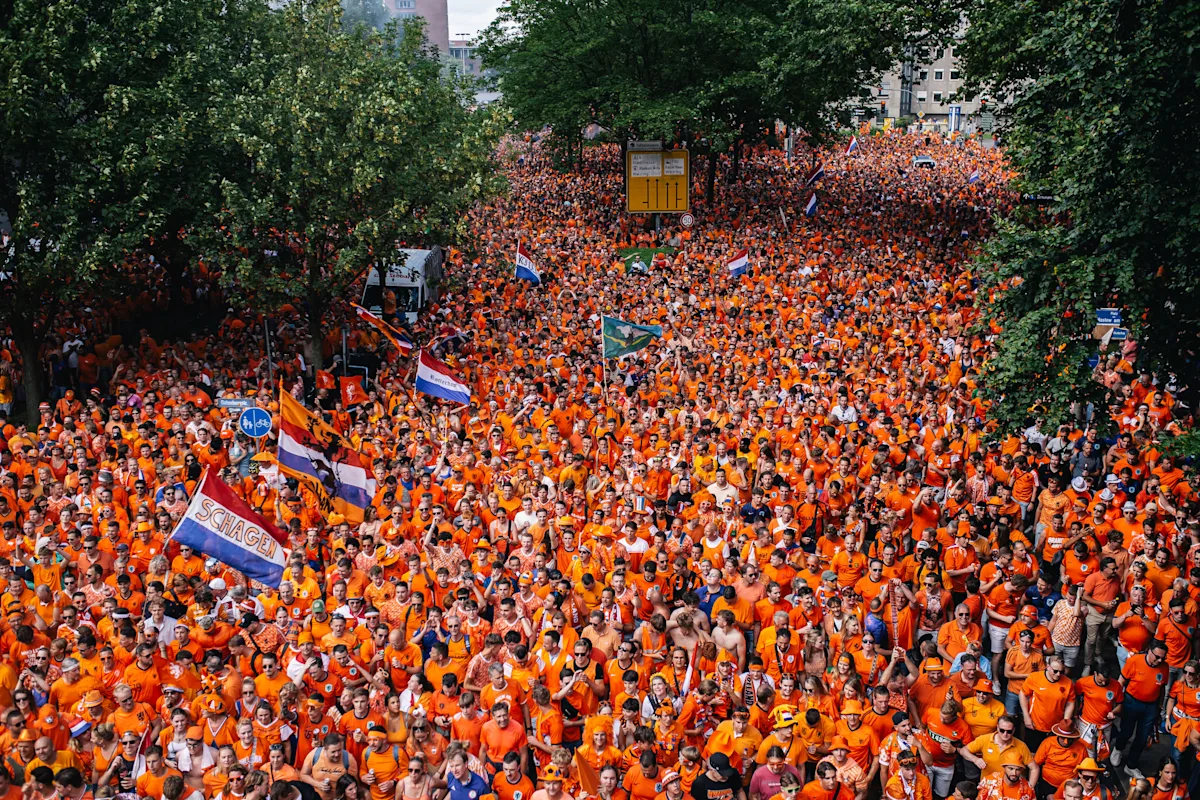
The Netherlands continues its tradition of the "Oranje Fanwalk," a massive march to matches filled with singing and chanting. During the 2024 Euros, 110,000 fans participated in the march in Dortmund. For the 2026 tournament, the Netherlands will play group stage matches in Dallas, Houston, and Kansas City. In Houston, supporters plan to walk approximately two miles down Main Street from Rice University to the stadium, continuing a tradition that has become a standard for Dutch international fandom.
Argentina’s fans remain united by the anthem "Muchachos," which was retooled during the 2022 World Cup to honour Diego Maradona and Lionel Messi. The song, originally by Argentine band La Mosca, became a locker room staple for the victorious team. With the team having now won the tournament again, it remains unclear whether Argentina will adopt a new anthem or alter the lyrics to reflect a new era of success.
Norway’s supporters are preparing to debut the "viking row," a chant where fans mimic pulling an oar after two drum beats, accompanied by the sound "yoo." This tradition aligns with the national team’s embrace of their Viking heritage, evidenced by their official portraits featuring Viking attire. The choice of North America as the host continent adds historical resonance, as research indicates Vikings first reached the region over 1,000 years ago.
Algerian fans are set to use the chant "One, two, three, viva l'Algerie," which is believed to originate from the pre-independence era under French rule. The chant is thought to have evolved from a misheard cry for freedom, "We want to be free, viva l'Algerie," shouted at an American boat in the Strait of Algiers. This historical context transforms the chant from a political statement into a football cheer, with supporters expected to fill stadiums with the song.
Scotland’s Tartan Army continues its long-standing tradition of charitable giving through the Tartan Army Sunshine Appeal. Since 2003, fans have donated to children’s charities in every city they visit. Ahead of matches in Foxboro, Massachusetts, the group donated $10,000 to Hasbro Children's Hospital in Providence, Rhode Island. This marks the 112th consecutive match where the supporters have made a donation, reinforcing their commitment to community engagement.
Senegal’s official supporters' group, the 12ème Gainde, features the "Seven Letters," who spell out "S-E-N-E-G-A-L" in green paint on their chests and faces. Dressed in pants modelled after the Senegalese flag and matching hats, these supporters stand out for their full-body paint and commitment to the team. Senegal enters the tournament as a potential dark horse, with these dedicated fans providing vocal support.
The United States men’s national team supporters continue to use the chant "I believe that we will win," which originated at the Naval Prep Academy and became a rallying cry during the 2014 World Cup. Despite criticism from some fans and celebrities, including singer Noah Kahan, who has called for a new chant, the song remains a staple of the American Outlaws’ repertoire. Its persistence reflects the team’s status as an underdog in many matches, with fans relying on the chant to express hope and unity.